

Kanpur Plastipack FY26 Results: 68% Profit Growth, FY27 Guidance at 10-15%


Kanpur Plastipack delivered strong FY26 results with standalone net profit rising 68.08% to ₹3,819.34 lakh and total income growing 26.26% to ₹72,666.79 lakh. The company is expanding into non-woven technical textiles and high-performance yarn via the ESSEKAN JV, with management guiding 10–15% revenue growth for FY27. The earnings call transcript has been filed with exchanges per SEBI Regulation 30.

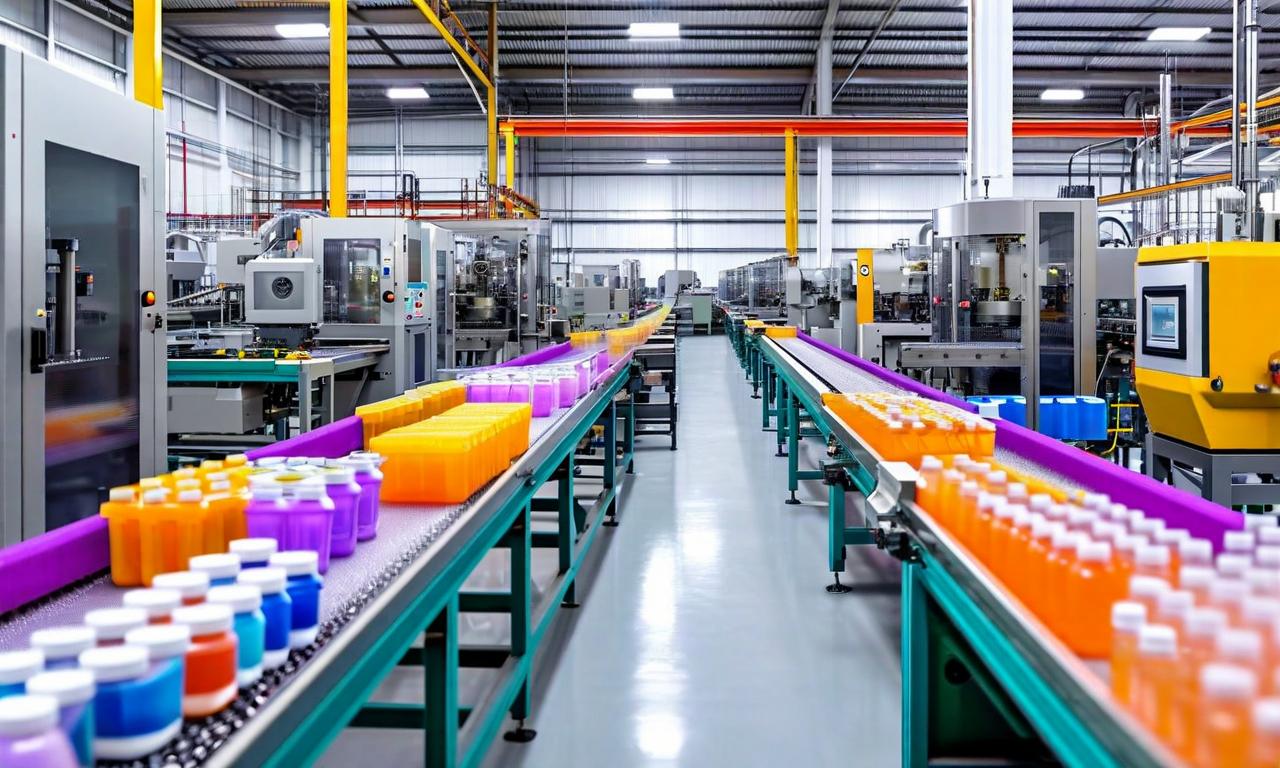

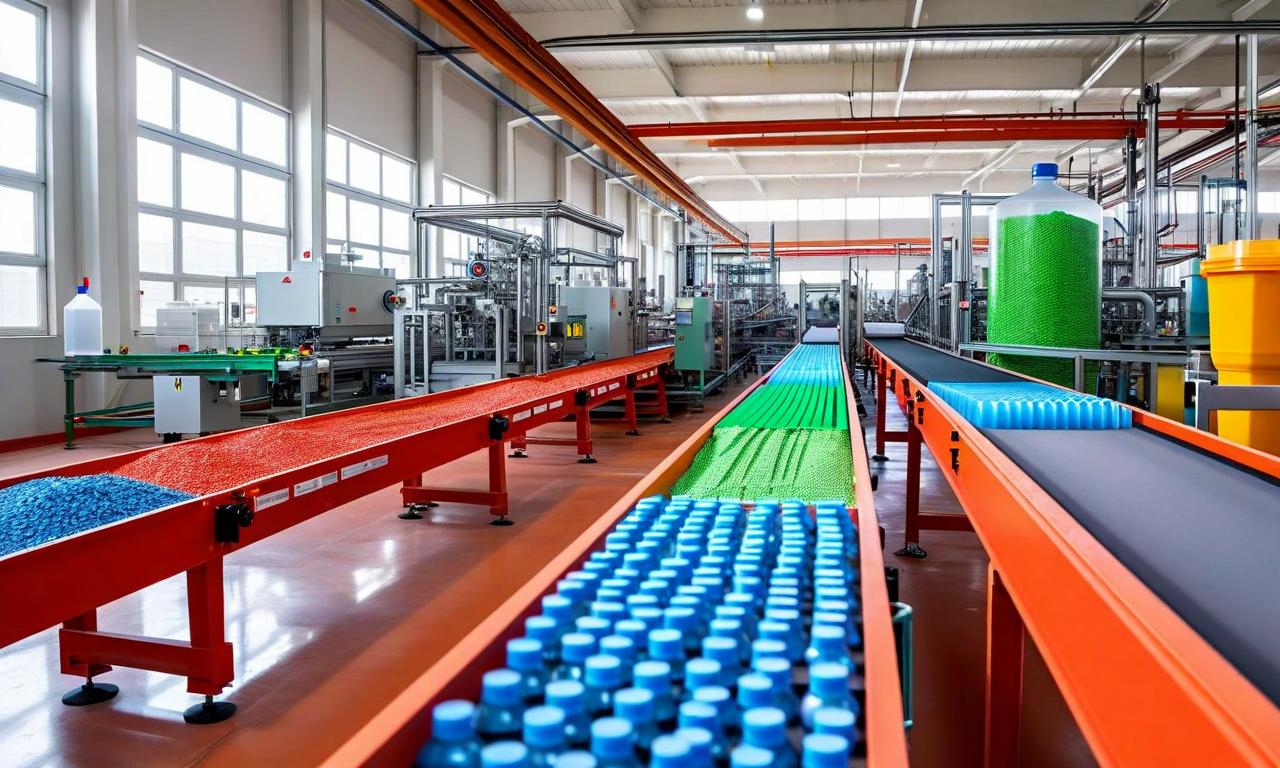
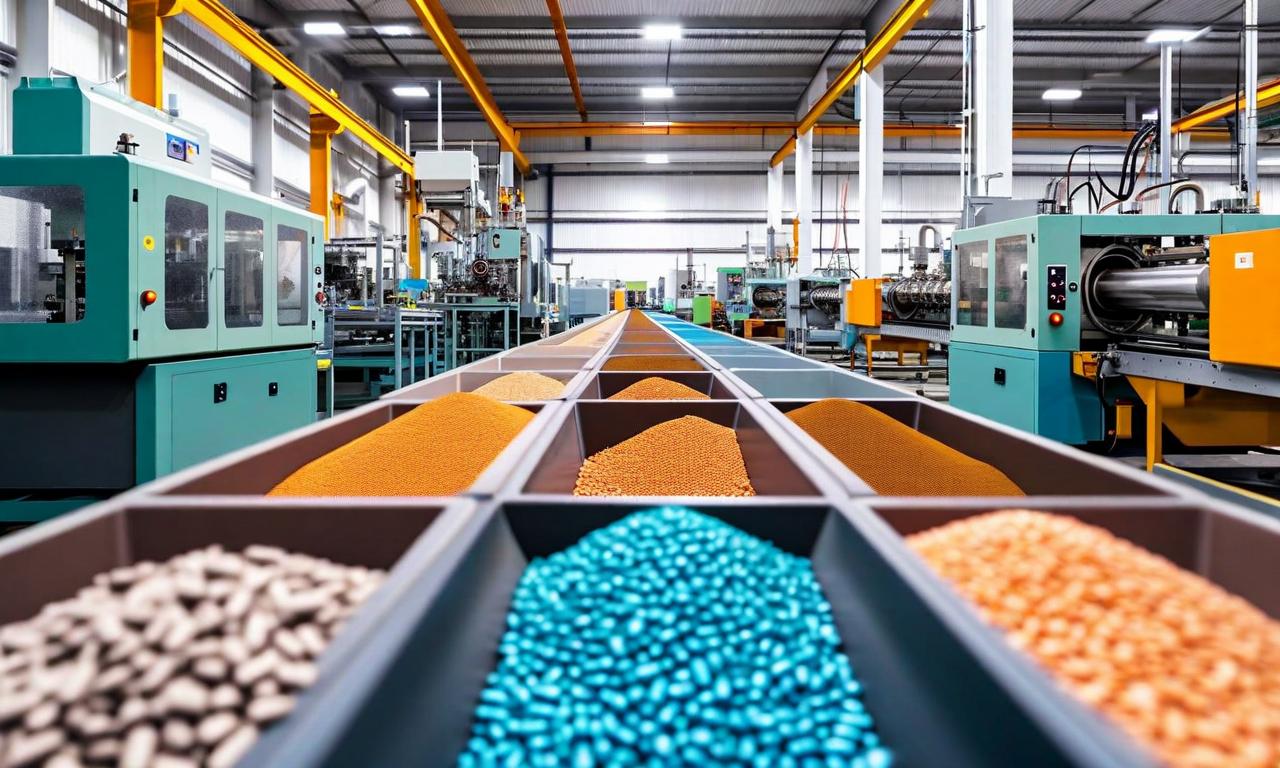
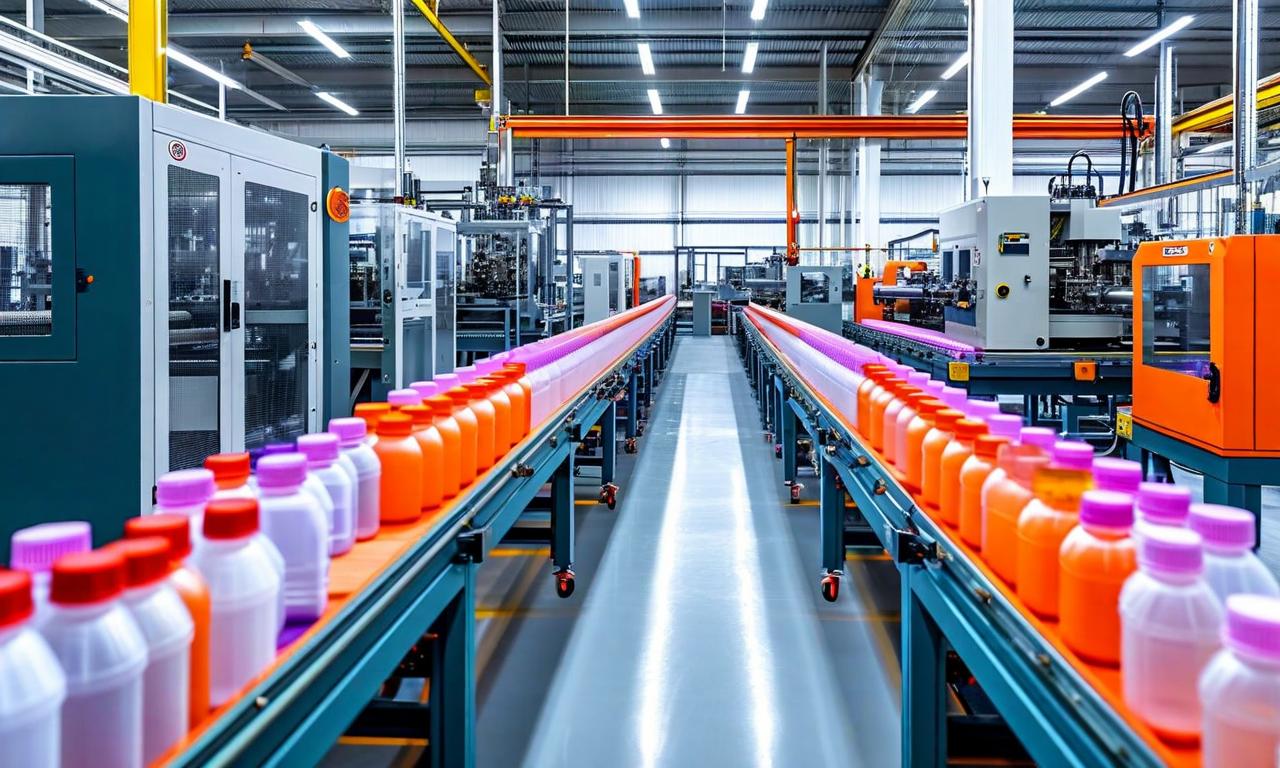
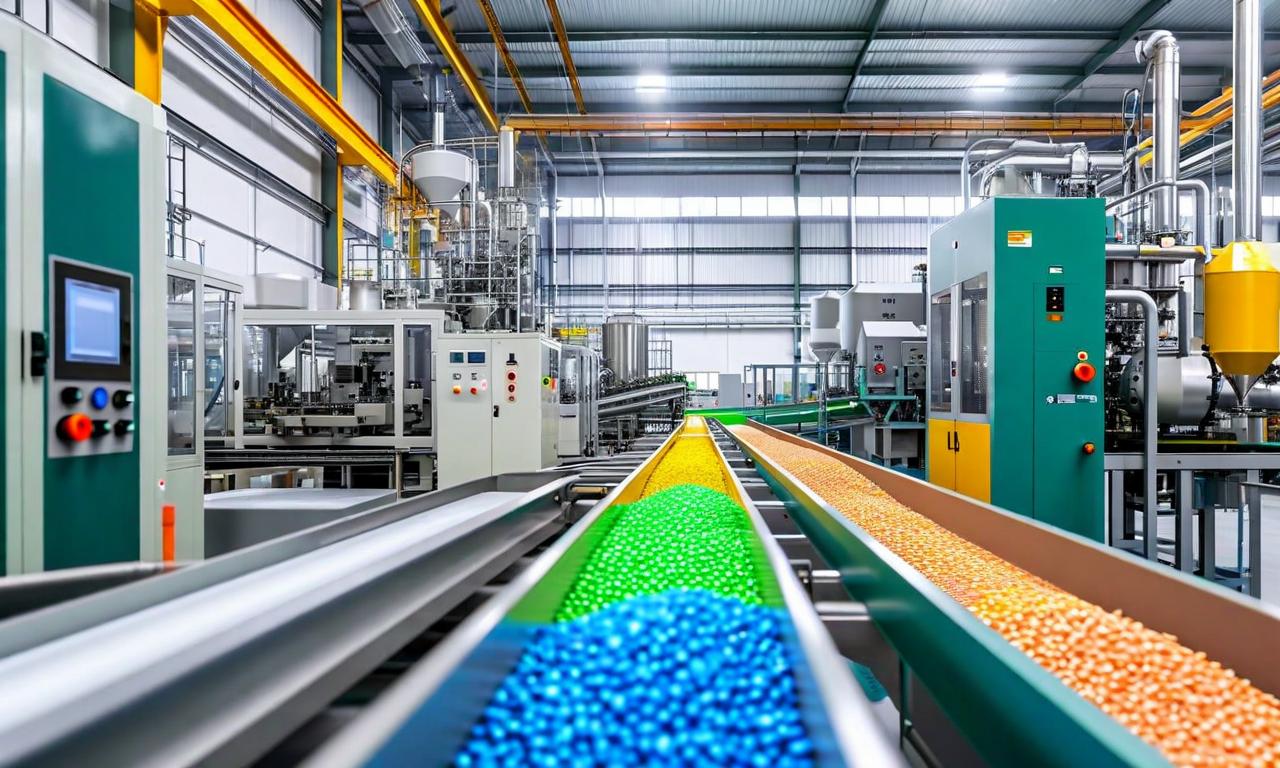
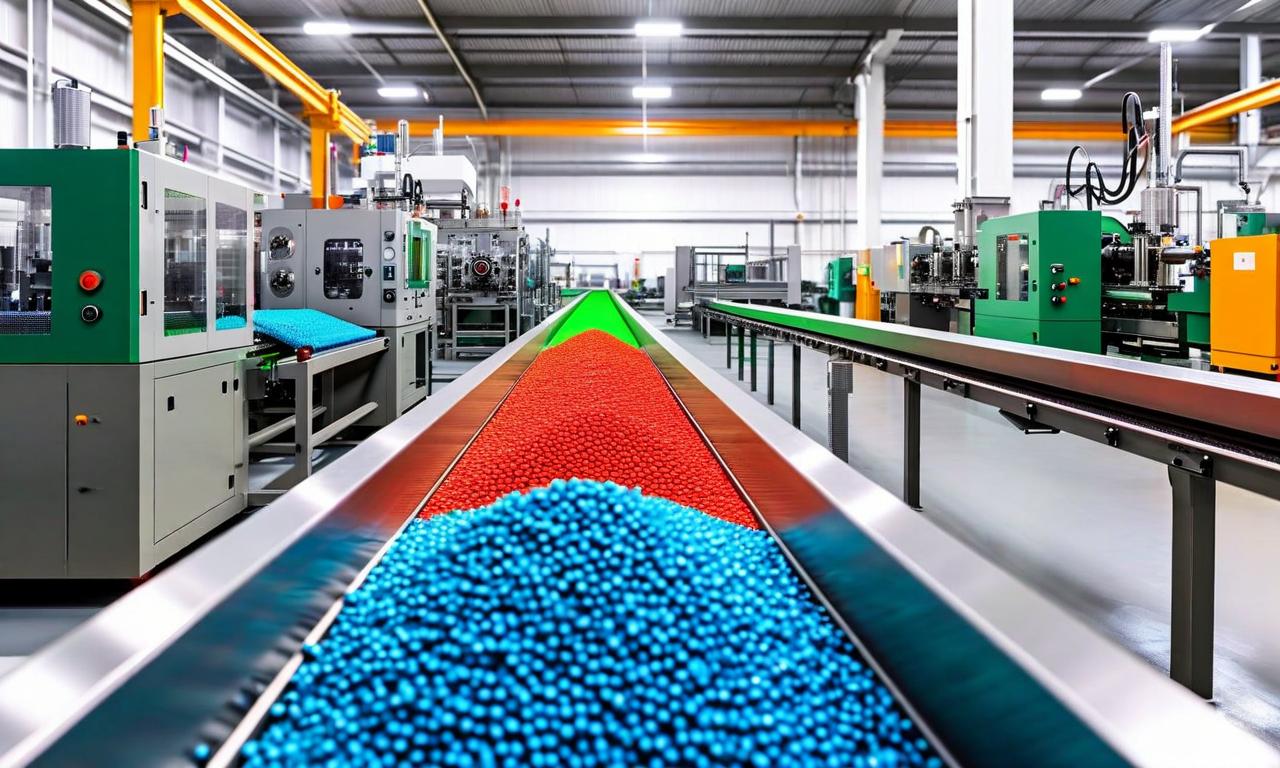
*this image is generated using AI for illustrative purposes only.
Kanpur Plastipack Limited announced its audited standalone and consolidated financial results for the quarter and financial year ended March 31, 2026, following a board meeting held on May 2, 2026. The board approved the financial results and recommended a final dividend of ₹1.20 per share, equivalent to 12%, for the financial year 2025-26, subject to shareholder approval at the upcoming Annual General Meeting. The company subsequently held an earnings conference call on May 4, 2026 at 11:30 AM, and in compliance with Regulation 30 of the SEBI (Listing Obligations and Disclosure Requirements) Regulations, 2015, the transcript of the conference call has been submitted to the stock exchanges and made available on the company's website.
Strong Q4 FY26 Performance
For the quarter ended March 31, 2026, the company delivered robust performance across key metrics. Standalone total income reached ₹18,310.42 lakh, representing a 6.16% year-on-year increase from ₹17,247.02 lakh in Q4 FY25. Net profit for the quarter stood at ₹1,453.21 lakh, up 21.91% from ₹1,191.99 lakh in the corresponding quarter of the previous year. During Q4 FY26, the manufacturing segment revenue stood at ₹143.62 crores. The quarter was impacted by a reversal of DFIA income amounting to ₹3.65 crores, which led to negative other operating income of ₹2.9 crores, triggered by the government's temporary suspension of import duty on key petrochemical products including polypropylene till June 30 in response to geopolitical supply disruptions.
| Q4 FY26 Metrics: | Current Quarter | Previous Year | Growth (%) |
|---|---|---|---|
| Total Income: | ₹18,310.42 lakh | ₹17,247.02 lakh | +6.16% |
| EBITDA: | ₹2,505.87 lakh | ₹2,112.41 lakh | +18.62% |
| EBITDA Margin: | 13.68% | 12.25% | +143 bps |
| Net Profit: | ₹1,453.21 lakh | ₹1,191.99 lakh | +21.91% |
| EPS: | ₹6.04 | ₹5.30 | +14.0% |
Exceptional FY26 Full Year Results
The company reported significant growth in profitability for FY26. Standalone net profit for the year reached ₹3,819.34 lakh, a substantial 68.08% increase from ₹2,272.39 lakh in the previous year. On a consolidated basis, net profit stood at ₹4,080 lakh. Total income for FY26 grew to ₹72,666.79 lakh, up 26.26% from ₹57,551.24 lakh in FY25. EBITDA increased to ₹74.75 crores with margins improving to 10.29%. As of March 31, 2026, net debt stood at ₹112 crores, comprising ₹78 crores in short-term borrowings, ₹23.8 crores of GECL loans, and ₹9.01 crores of long-term loans.
| FY26 Performance: | Current Year | Previous Year | Growth (%) |
|---|---|---|---|
| Total Income: | ₹72,666.79 lakh | ₹57,551.24 lakh | +26.26% |
| EBITDA: | ₹7,475.78 lakh | ₹5,421.44 lakh | +37.89% |
| EBITDA Margin: | 10.29% | 9.42% | +87 bps |
| Net Profit: | ₹3,819.34 lakh | ₹2,272.39 lakh | +68.08% |
| EPS: | ₹16.29 | ₹10.45 | +55.9% |
Export Performance and Geographic Diversification
Exports remained a key growth driver, with total export volumes of 4,924 MT in Q4 FY26 and 23,805 MT for the full year. The company maintains a diversified geographic presence with Europe contributing 56.5% of exports, South America 21.8%, and North America 16.9% — the latter declining from 21% in the prior year due to tariff-related uncertainties. From an end-user perspective, revenues are diversified across food and agriculture (52%), industrial packaging (23%), construction (12%), automotive (7%), and mining and building materials (6%). Exports contributed approximately 75% of manufacturing revenue for FY26, representing 61% of total revenue. Management noted that North America is expected to see a higher contribution going forward as market conditions normalize.
Strategic Growth Initiatives and Capacity Expansion
The company is progressing on multiple strategic fronts. FIBC capacity at Unit 2 stands at 18,000 tons per annum with approximately 83% utilization. The FIBC capacity expansion project at Unit 3, targeting 6,000 MT over the next five years, has commenced operations with 100 tons produced in March — equivalent to a run rate of 1,200 tons annually. The company expects to produce approximately 1,800 tons from this unit during the current year and exit at a run rate of 2,400 tons. At peak capacity of 6,000 tons, the incremental revenue is expected to be approximately ₹40 crores, with EBITDA margins also expected to improve. A modern roll management system and warehouse automation initiatives are under construction with expected completion by September 2026.
| Strategic Projects: | Status / Details |
|---|---|
| FIBC Unit 3 Expansion (6,000 MT target): | Operations commenced; 1,800 MT expected in current year |
| Non-woven Facility (Machine 1): | Commercial production by September 2026 |
| Non-woven Facility (Machine 2): | Commercial production by December 2026 |
| Roll Management & Warehouse Automation: | Construction underway, completion September 2026 |
| ESSEKAN Joint Venture: | Machine commissioned; approvals received |
Non-Woven Technical Textiles: New Growth Engine
The company is entering the non-woven technical textiles space using needle punch technology, targeting segments such as automotive interiors, geo-textiles, artificial leather, carpets, footwear, and filter fabrics. The total installed capacity for this segment is expected to be approximately 10,000 tons. Revenue from this segment is projected at ₹20 crores to ₹25 crores in the current year, given that only partial capacity will be available — the first machine for six months and the second for three months. In the following year, revenue is expected to scale to between ₹100 crores and ₹120 crores, with EBITDA margins of 15% to 16% at steady state. Management clarified that the segment will not operate at a loss even in the initial ramp-up phase. Volume expectations for the following year stand at approximately 8,000 to 9,000 tons. The company has already initiated seed marketing, met prospective customers, conducted sampling across industry segments, and fulfilled select trial commercial orders.
| Non-Woven Segment Outlook: | Details |
|---|---|
| Installed Capacity: | ~10,000 tons |
| FY27 Revenue Guidance: | ₹20 crores – ₹25 crores |
| FY27-28 Revenue Guidance: | ₹100 crores – ₹120 crores |
| Steady-State EBITDA Margin: | 15% – 16% |
| FY27-28 Volume Expectation: | ~8,000 – 9,000 tons |
Joint Venture and Technology Partnership
The strategic 50:50 joint venture with Italian technology partner Essegomma S.P.A., incorporated as Essekan Private Limited on January 7, 2026, focuses on high-performance polypropylene yarn. The machine has arrived and commissioning has been completed with necessary approvals received. Under the operating model, Kanpur Plastipack manufactures and sells to ESSEKAN at approximately a 20% markdown, with ESSEKAN targeting sales of ₹23 crores to ₹25 crores. EBITDA margins of approximately 15% are expected at both the manufacturing and marketing levels. The capex incurred for this segment stands at approximately ₹3 crores. The product is technology-driven and protected by patents held by Essegomma, making it difficult for competitors to replicate.
Raw Material Dynamics and Geopolitical Impact
The operating environment during the latter part of FY26 witnessed significant volatility in raw material prices, particularly polypropylene, which rose sharply from USD 1,000 per ton to approximately USD 1,700 per ton — an increase of approximately 65% — driven by supply disruptions from the Middle East conflict. Management noted that prices are unlikely to return to USD 1,000 in the near term, with the new normal expected to be in the range of USD 1,200 to USD 1,350. The company follows a model of procuring raw material largely against confirmed orders, which helped manage price risk and protect margins. Price increases are largely passed on to customers on a per-kilogram basis. India's polypropylene prices are currently approximately 30% cheaper than Europe and approximately 10% more expensive than the Far East, with these differentials expected to narrow.
Management Outlook
Mr. Shashank Agarwal, Deputy Managing Director, indicated that EBITDA margins are expected to remain at similar levels, with the manufacturing segment ex-trading EBITDA margin at 12.17% expected to be maintained. On revenue growth, management guided for approximately 10% to 15% growth for the current year, supported by contributions from the non-woven segment, ESSEKAN, and ongoing FIBC capacity additions. Order lead times have reduced from 6–8 weeks to 3–4 weeks, reflecting inventory correction and cautious customer procurement amid raw material volatility, though underlying consumption demand remains intact. The company is also exhibiting at Tokyo Pack and continues to pursue the Japan market as a long-term first-mover opportunity, while the UK-based Valex Ventures continues efforts in B2C applications.
Historical Stock Returns for Kanpur Plastipack
| 1 Day | 5 Days | 1 Month | 6 Months | 1 Year | 5 Years |
|---|---|---|---|---|---|
| +4.73% | +2.95% | -0.84% | +27.80% | +14.20% | 0.0% |

How quickly can Kanpur Plastipack scale its non-woven technical textiles segment to full 10,000-ton capacity, and which end-use segment—automotive, geo-textiles, or filter fabrics—is likely to drive the fastest customer adoption?
Given that North America's export contribution declined from 21% to 16.9% due to tariff uncertainties, what specific trade policy developments or customer agreements could accelerate its recovery to prior levels?
With polypropylene prices stabilizing at a 'new normal' of USD 1,200–1,350 per ton rather than returning to USD 1,000, how sustainable are the company's improved EBITDA margins if European and Far East price differentials narrow further?
 20
20








 Access 50+ Readymade Screeners
  Use 200+ Custom Filters
  Get Full Market Insights





