

Kajaria Ceramics net profit rises 56% to ₹171 cr in Q1FY27


Kajaria Ceramics posted a consolidated net profit of ₹171.03 crore in Q1FY27, up 56% YoY, on strong revenue growth and margin expansion. The Board approved a ₹165 crore expansion at its Gailpur plant and a ₹12.15 crore investment in renewable energy infrastructure.


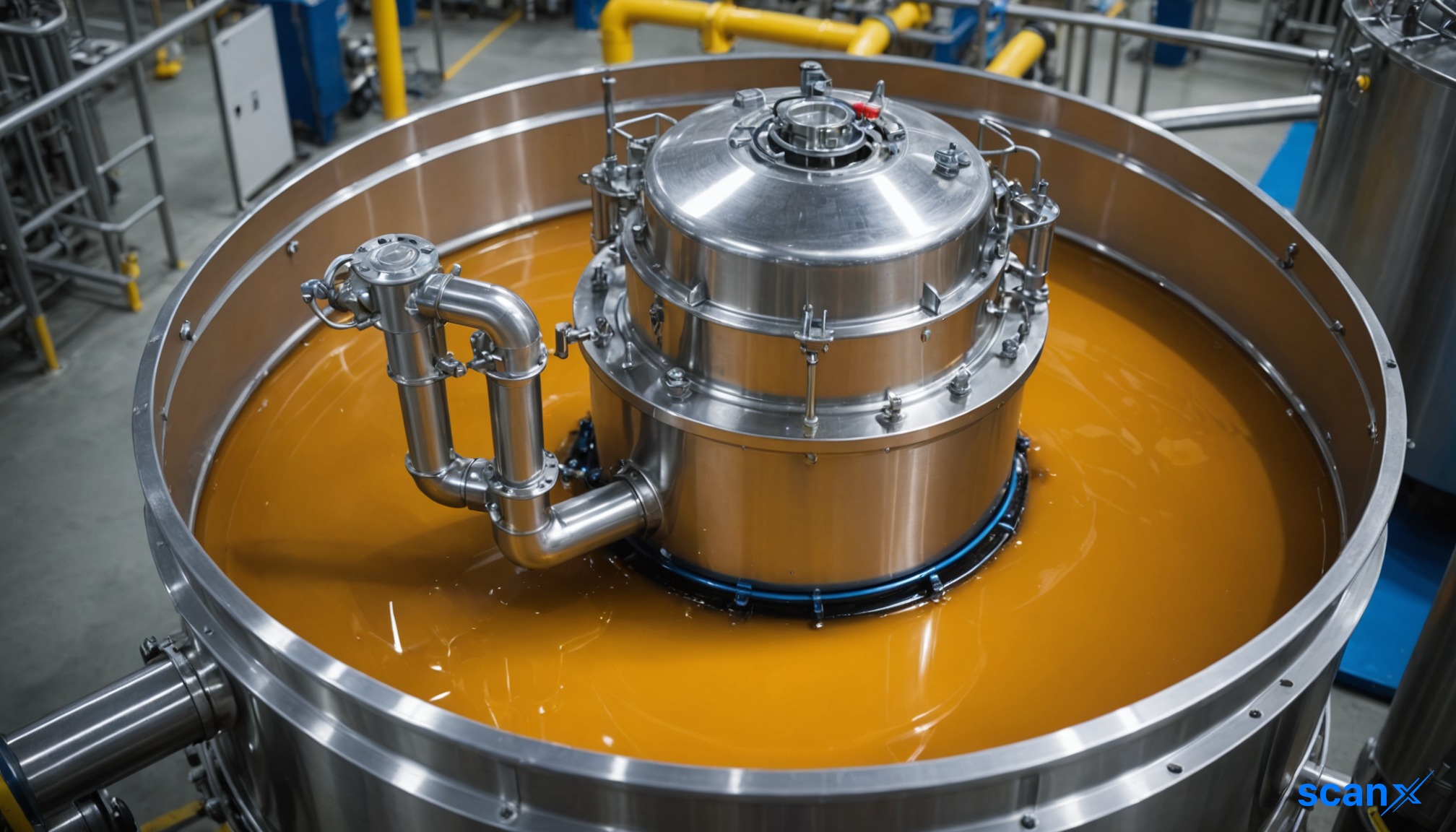
*this image is generated using AI for illustrative purposes only.
Kajaria Ceramics reported a consolidated net profit of ₹171.03 crore for Q1FY27, a 56% year-on-year increase from ₹110.31 crore, as revenue rose 20% to ₹1,328.08 crore. The strong performance was underpinned by strategic price hikes offsetting higher fuel costs and improved operational efficiency following organizational unification. During the earnings call held on July 31, 2026, management guided for double-digit volume growth over the next nine months and targeting an annual EBITDA exceeding ₹1,000 crore with margins of 18–19%.
The Board of Directors, at its meeting held on July 31, 2026, approved the brown-field expansion at its Gailpur facility in Rajasthan, adding 11 Million Square Metres (MSM) of capacity for ₹165 crore. This expansion is expected to be completed by April 2027 and will be financed through internal accruals. Additionally, the company sanctioned an investment of up to ₹12.15 crore in Sunsire Solarpark Fourty Three Private Limited to secure captive renewable energy for its Gailpur and Malootana plants, aiming to reduce power costs as per the Electricity Act.
Financial Performance
Consolidated revenue from operations stood at ₹1,328.08 crore in Q1FY27, compared to ₹1,102.74 crore in Q1FY26. EBITDA margin expanded to 19.60% from 16.72% in the prior year quarter. Profit before tax grew 52% to ₹231.40 crore. Standalone net profit also grew 56% to ₹155.77 crore. Basic earnings per share (EPS) for the consolidated entity rose to ₹10.64 from ₹6.84. The working capital cycle improved by five days to 46 days as of June 30, 2026, down from 51 days in March 2026.
| Metric | Q1FY27 (₹ cr) | Q1FY26 (₹ cr) | Change |
|---|---|---|---|
| Revenue from Operations | 1,328.08 | 1,102.74 | +20% |
| Profit Before Tax | 231.40 | 152.17 | +52% |
| Net Profit | 171.03 | 110.31 | +56% |
| EPS (Basic, ₹) | 10.64 | 6.84 | +56% |
Segment Analysis
The tiles segment contributed ₹1,159.40 crore to revenue, an 18% year-on-year increase. Segment results for tiles improved to ₹197.42 crore from ₹134.65 crore. The 'Others' segment, comprising adhesives and bathware, generated ₹168.68 crore in revenue. Specifically, bathware revenue grew 33% to ₹122 crore, while adhesives revenue more than doubled to ₹45 crore from ₹25 crore. Management noted that the Kerovit bathware brand is scaling with purpose, citing the acquisition of the remaining 15% stake from Aravali Investment Holdings as a commitment to long-term growth.
What the Numbers Show
The significant jump in net profit outpaced revenue growth, indicating operational leverage and margin expansion. While power and fuel costs increased due to geopolitical disruptions affecting gas prices in Morbi, the company mitigated impact through multi-location sourcing and price hikes of 10–11% in North and South regions. The narrowing price differential between branded players like Kajaria and unorganized Morbi manufacturers—from 40% to below 20%—has shifted consumer preference toward branded products, driving volume recovery. The upcoming capacity expansions, utilizing newer technology that reduces capex intensity per square meter, aim to capitalize on this sustained demand momentum and reduce reliance on outsourcing.
Source: https://lodr-files.dhan.co/lodr-inputs/Company/INE217B01036/0428446b-8f60-469a-95e7-8e0dbc423157.pdf
Historical Stock Returns for Kajaria Ceramics
| 1 Day | 5 Days | 1 Month | 6 Months | 1 Year | 5 Years |
|---|---|---|---|---|---|
| +0.22% | -0.96% | -2.95% | +14.58% | +0.53% | -2.37% |

How might the completion of the Gailpur expansion by April 2027 impact Kajaria's market share in the Rajasthan region and its ability to reduce outsourcing costs?
What are the potential risks to achieving the guided 18–19% EBITDA margins if geopolitical disruptions continue to drive up fuel and gas prices in the coming quarters?
Could the aggressive price hikes of 10–11% in North and South regions lead to a saturation point where volume growth slows despite the narrowing price differential with unorganized players?
 17
17





 Create Custom Screeners
  Access 200+ Pre-built Filters
  Use 50+ Readymade Screener





