

Jindal Saw Q2 consolidated PAT falls to ₹470 million


- Consolidated PAT fell to ₹470 million in Q2FY27 from ₹1.52 billion YoY
- Consolidated revenue grew to ₹44.7 billion from ₹42.3 billion YoY
- Consolidated EBITDA margin contracted to 5.83% from 10.7% YoY
- Standalone PAT declined to ₹707 million from ₹793 million YoY
- Order book stands at $1,135 million, including $575 million in LOIs

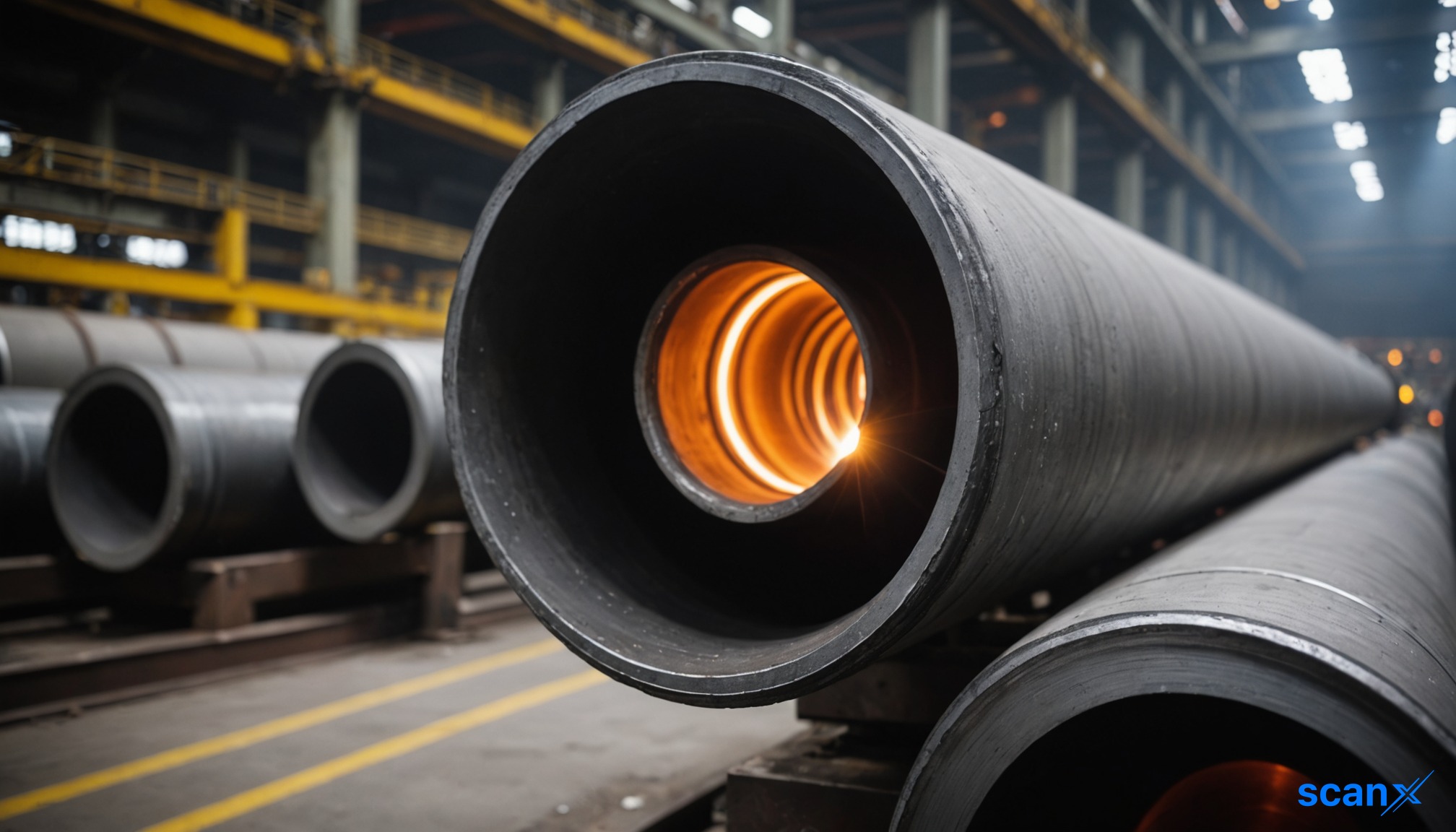

*this image is generated using AI for illustrative purposes only.
Jindal Saw reported a consolidated Profit After Tax (PAT) of ₹470 million for the second quarter of FY27, a steep decline from ₹1.52 billion in the corresponding period last year. The figure missed analyst estimates of ₹1.5 billion. While consolidated revenue grew to ₹44.7 billion from ₹42.3 billion YoY, EBITDA margins contracted significantly to 5.83% due to operational headwinds.
The company's standalone PAT stood at ₹707 million for Q2FY27, down from ₹793 million in Q2FY26. Standalone total income increased to ₹38,814 million, up from ₹34,091 million in the year-ago quarter. The Board approved these unaudited financial results on October 16, 2026.
Standalone Financial Performance
The standalone results reflect a divergence between top-line growth and bottom-line contraction. Total income increased to ₹38,814 million in Q2FY27 from ₹34,091 million in Q2FY26. However, standalone EBITDA fell to ₹2,654 million from ₹3,349 million in the same period last year. The standalone EBITDA margin dropped to 6.8% in Q2FY27 compared to 9.8% in Q2FY26.
| Metric | Q2FY27 (₹ mn) | Q1FY27 (₹ mn) | Q2FY26 (₹ mn) |
|---|---|---|---|
| Total Income | 38,814 | 37,557 | 34,091 |
| EBITDA | 2,654 | 3,410 | 3,349 |
| PBT | 440 | 1,450 | 1,048 |
| PAT | 707 | 1,098 | 793 |
Financial costs decreased to ₹920 million in Q2FY27 from ₹1,084 million in Q2FY26. Depreciation remained stable at ₹1,294 million. The tax provision was negative ₹267 million due to adjustments for earlier years adjudicated in favor of the company.
Consolidated Performance and Margins
On a consolidated basis, revenue clocked ₹44.7 billion in Q2FY27, up from ₹42.3 billion in Q2FY26. Despite the revenue growth, consolidated EBITDA plummeted to ₹2.6 billion from ₹4.5 billion in the year-ago quarter. This resulted in a consolidated EBITDA margin of 5.83%, down sharply from 10.7% in Q2FY26. The significant margin compression highlights the pressure on profitability despite higher sales volumes.
Operational Highlights and Order Book
Standalone production of Iron & Steel Pipes reached 330,000 MT in Q2FY27, up from 293,000 MT in Q2FY26. Pellet production declined to 313,000 MT from 407,000 MT in the same period. Sales volumes for pipes increased to 370,000 MT, while pellet sales rose to 321,000 MT.
The company reported an order book of approximately $1,135 million for pipes and pellets as of September 30, 2026. This includes Letters of Intent (LOIs) worth $575 million. The order book is projected to be executed over the next 9–12 months.
- Export orders constitute ~28% of the total order book by value.
- Execution of export orders to the Middle East remains on hold due to regional conflict.
- The UAE entity holds a separate order book of ~$195 million.
Impact of Geopolitical Headwinds
Management cited sustained headwinds from the Middle East conflict, which forced a halt on exports to the MENA market starting March 2026. This disruption impacted capacity utilization and revenue recognition. Additionally, the domestic water pipe business faced challenges from oversupply and delays in Jal Jeevan Mission (JJM) payments.
Jindal Saw Gulf LLC, the UAE subsidiary, saw ductile iron pipe volumes decline to ~29,000 MT in Q2FY27 from ~34,000 MT in Q1FY27. Despite this, its order book expanded to $195 million. The company is exploring new export markets to mitigate these disruptions.
Debt Reduction and Capital Expenditure
The company continued to reduce debt levels. Standalone working capital debt fell to ₹17,226 million as of September 30, 2026, down from ₹27,568 million a year ago. Term debt also decreased to ₹5,220 million from ₹5,536 million in the previous year.
Capex investments are ongoing to address operational bottlenecks. Key projects include:
- A seamless pipe facility in Abu Dhabi with a capacity of 300,000 TPA, targeting commercial production in FY29.
- HSAW and LSAW pipe facilities in Saudi Arabia with a combined capacity of 600,000 TPA, also scheduled for FY29.
What the Numbers Show
The Q2FY27 results highlight severe margin compression across both standalone and consolidated levels. While standalone EBITDA margin dropped 300 bps YoY to 6.8%, the consolidated EBITDA margin saw a steeper decline of nearly 490 bps to 5.83%. This divergence suggests that subsidiary operations or consolidation adjustments are exacerbating the profitability squeeze beyond the core standalone business. The massive miss on consolidated PAT against estimates underscores the immediate impact of geopolitical disruptions on bottom-line performance, despite robust order inflows.
Regulatory Compliance
The results were filed under Regulation 30 of SEBI (Listing Obligations and Disclosure Requirements) Regulations, 2015. Sunil Kumar Jain, Company Secretary, signed the disclosure digitally on October 16, 2026. CARE Ratings reaffirmed "CARE AA" for long-term facilities and "CARE A1+" for short-term facilities in September 2026.
Historical Stock Returns for Jindal SAW
| 1 Day | 5 Days | 1 Month | 6 Months | 1 Year | 5 Years |
|---|---|---|---|---|---|
| +0.79% | +11.60% | +4.34% | +37.54% | +48.90% | 0.0% |

How will the potential resumption of exports to the Middle East impact Jindal Saw's capacity utilization and EBITDA margins in the second half of FY27?
What is the projected timeline for receiving pending Jal Jeevan Mission payments, and how might this cash flow improvement affect the company's working capital debt reduction trajectory?
Can the $1.1 billion order book, including Letters of Intent, be fully converted into revenue within the next 9-12 months given the ongoing geopolitical uncertainties?
 15
15












 Access Market Heat-map & Insights
  Create, Save & Share your Screener
  Use 200+ Screening Filters





