ITC completes acquisition of Century Pulp and Paper from Aditya Birla

1 min read     Updated on 01 Aug 2026, 06:04 PM
scanx
Reviewed by
Riya DScanX News Team
AI Summary

ITC Limited finalized the acquisition of Aditya Birla Real Estate's Century Pulp and Paper business on August 1, 2026. The deal involved a slump sale of the entire undertaking, including assets, liabilities, contracts, and staff, based on an agreement signed in March 2025.

powered bylight_fuzz_icon
47133233

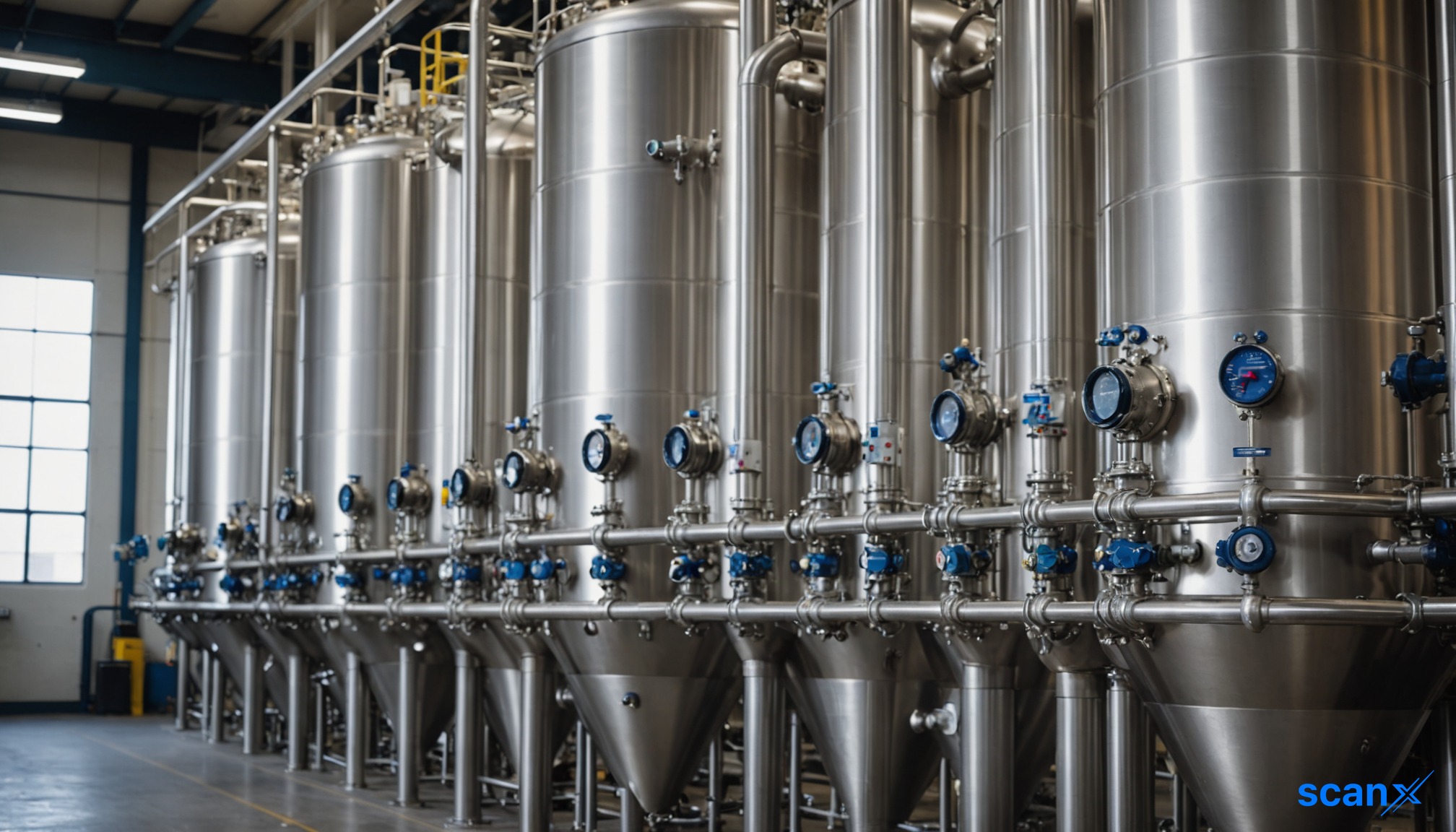
*this image is generated using AI for illustrative purposes only.

ITC Limited has completed the acquisition of the pulp and paper business of Aditya Birla Real Estate Limited, operated under the name Century Pulp and Paper. The transaction, finalized on August 1, 2026, marks the conclusion of a strategic expansion move for ITC into the pulp and paper sector through the integration of this established operation.

The acquisition was structured as a slump sale on a going concern basis. This means ITC took over the entire business unit—including its assets, liabilities, existing contracts, and employees—as a single operational entity rather than purchasing individual assets. The deal was executed in accordance with the Business Transfer Agreement dated March 31, 2025.

Transaction Details

The completion follows previous disclosures made by ITC to the stock exchanges. The company had earlier informed the markets about the proposed acquisition via letters dated March 31, 2025, and December 17, 2025. The final update confirms that all necessary steps to transfer the business have been concluded.

Parameter Detail
Acquirer ITC Limited
Seller Aditya Birla Real Estate Limited
Business Acquired Century Pulp and Paper
Transaction Type Slump sale (going concern)
Agreement Date March 31, 2025
Completion Date August 1, 2026

Regulatory Filings

ITC notified the National Stock Exchange of India Ltd and BSE Ltd of the completion on August 1, 2026. The communication was signed by R. K. Singhi, Executive Vice President & Company Secretary at ITC Limited. The filing also included copies to the Securities Exchange Commission in Washington DC and Societe de la Bourse de Luxembourg, indicating the international regulatory scope of the disclosure requirements for this transaction.

What This Means

By acquiring Century Pulp and Paper as a going concern, ITC gains immediate access to an operational pulp and paper infrastructure without the lead time required to build new facilities from scratch. The inclusion of existing contracts and employees in the slump sale suggests a seamless transition aimed at maintaining continuity in production and customer relationships. This move aligns with ITC’s broader strategy to diversify its revenue streams beyond its core FMCG and hotel businesses.

Historical Stock Returns for ITC

1 Day5 Days1 Month6 Months1 Year5 Years
-1.42%-0.11%-2.07%-12.77%-31.06%+44.94%

How will the integration of Century Pulp and Paper impact ITC's short-term EBITDA margins given the assumption of existing liabilities?

What specific synergies does ITC expect to realize by combining its FMCG packaging needs with this new pulp and paper production capacity?

How might this acquisition affect competitive dynamics in the Indian paper industry, particularly against rivals like Paperkraft or Uflex?

ITC Q1 Results: Net profit falls 27% YoY, FMCG revenue rises 12%

2 min read     Updated on 01 Aug 2026, 04:15 PM
scanx
Reviewed by
Naman SScanX News Team
AI Summary

ITC’s Q1FY27 results reflect a challenging operating environment with standalone PAT down 27% YoY to ₹3,579 crore. The Cigarettes segment faced a 25% revenue drop due to tax hikes, while Agri business was impacted by West Asia trade disruptions. Conversely, the FMCG segment grew 12% YoY, led by Dairy and Snacks, and the Paper segment saw a 38% PBIT increase. Fresh Food business GMV surged 90% YoY.

powered bylight_fuzz_icon
47126734

*this image is generated using AI for illustrative purposes only.

ITC Limited reported a 27% year-on-year decline in standalone net profit after tax (PAT) to ₹3,579 crore for the quarter ended June 30, 2026, as higher excise duties on cigarettes and geopolitical disruptions weighed on overall earnings. Standalone EBITDA fell 28% YoY to ₹4,514 crore, while gross revenue rose 28% YoY to ₹26,794 crore. The Board of Directors approved the results on July 31, 2026.

The decline in profitability was largely driven by the Cigarettes segment, where net revenue dropped 25% YoY following an unprecedented increase in taxes. Management implemented staggered pricing actions and portfolio re-architecting to mitigate volume migration to illicit trade. Consolidated PAT (before exceptional items) fell 23% YoY to ₹4,103 crore, though this figure includes a one-time gain from the acquisition of control over Sproutlife Foods Private Limited.

Segment Performance

The FMCG segment (excluding Cigarettes) demonstrated resilience with revenue growing 12% YoY, or 16% excluding staples. Key drivers included Dairy, Snacks, Noodles, and Frozen Snacks, which posted growth exceeding 20%. Personal Care products contributed mid-teens growth. The Digital-first and Organic portfolio, comprising brands like Yogabar and 24 Mantra, reached an annual revenue run rate (ARR) of approximately ₹1,500 crore.

Segment Metric Q1 FY27 Value YoY Change
FMCG (ex-Cigs) Revenue Growth +12%
Paper PBIT Growth +38%
Agri Business Underlying Rev. Growth +9%
Fresh Food GMV Growth +90%

The Paperboards, Paper & Packaging segment sustained its recovery momentum, with segment revenue up 9% YoY and PBIT surging 38% YoY. This improvement was supported by broad-based gains in net realisations and moderating wood costs. The Agri Business segment reported underlying revenue growth of 9% YoY, adjusting for timing differences in wheat sales and trade disruptions linked to the West Asia conflict.

What the Numbers Show

A key divergence in ITC’s performance is the contrast between top-line gross revenue growth and bottom-line profit contraction. While gross revenue expanded by 28% YoY, net revenue fell 14% YoY (excluding Agri, it fell 6%). This suggests that while volume or base pricing increased, significant cost pressures—such as sharp rises in fuel, edible oil, and packaging inputs due to the West Asia conflict—eroded margins. The company partially cushioned these impacts through strategic inventory covers and commodity hedges, but the tax headwind in cigarettes remains the primary drag on consolidated profitability.

Historical Stock Returns for ITC

1 Day5 Days1 Month6 Months1 Year5 Years
-1.42%-0.11%-2.07%-12.77%-31.06%+44.94%

How might ITC's staggered pricing strategy in the Cigarettes segment impact long-term brand loyalty and market share against illicit trade competitors?

Will the 38% surge in Paperboards PBIT be sustainable as global wood costs stabilize, or is this a temporary recovery driven by lagging input price adjustments?

Can the Digital-first and Organic portfolio maintain its ₹1,500 crore annual run rate growth trajectory amidst rising consumer cost-of-living pressures?

More News on ITC

1 Year Returns:-31.06%