

Indie Semiconductor Q2FY26 Results: Revenue rises 24% YoY to $64 million


- Revenue rose 24% YoY to $64 million, exceeding guidance midpoint
- Secured radar design win with Volvo via Tier 1 supplier
- Q3FY26 revenue guided between $67 million and $73 million
- Pending divestiture of Wuxi subsidiary expected to improve gross margins
- Acquisition of CMOS Image Sensor group from ams OSRAM AG under review

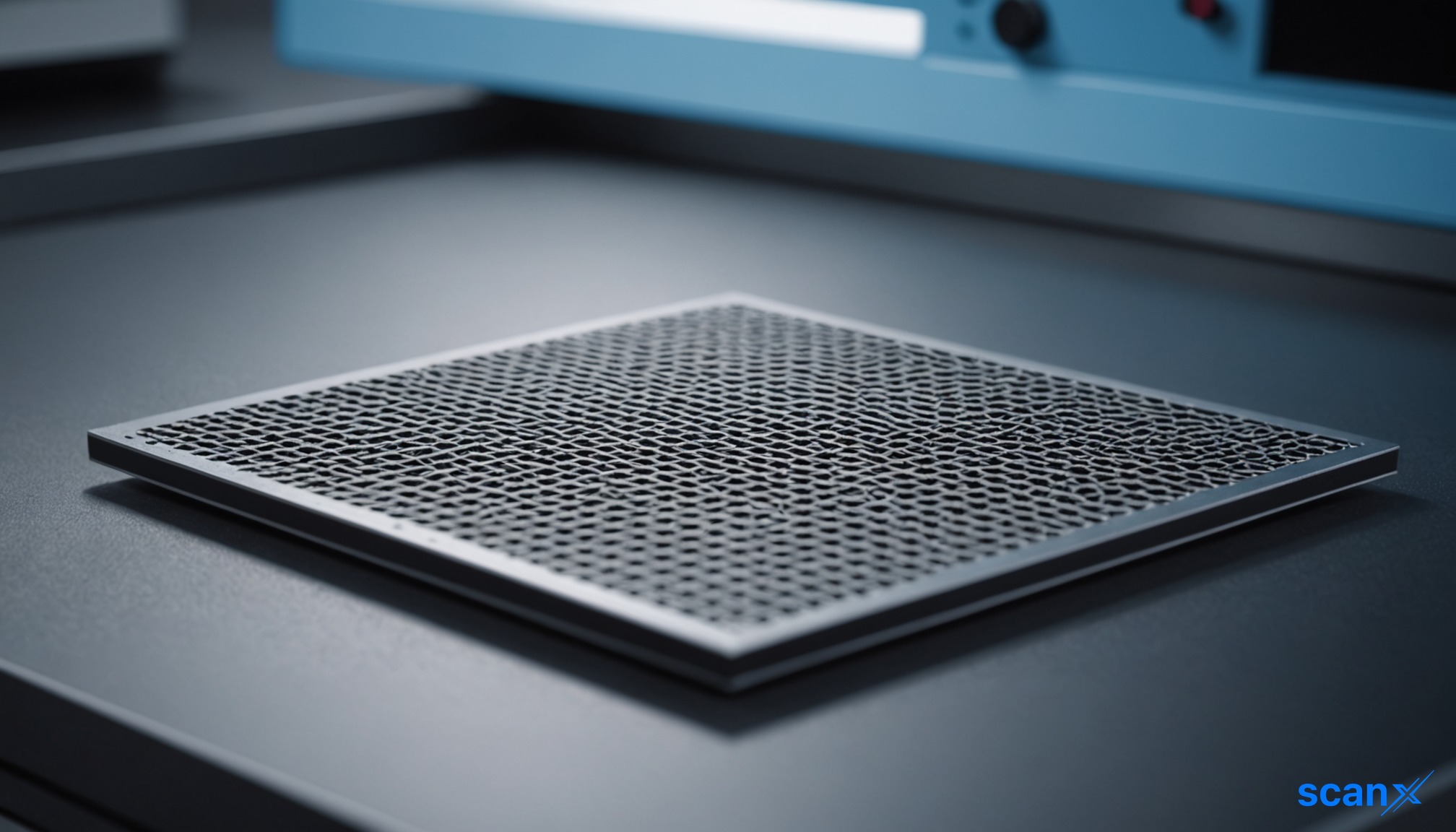

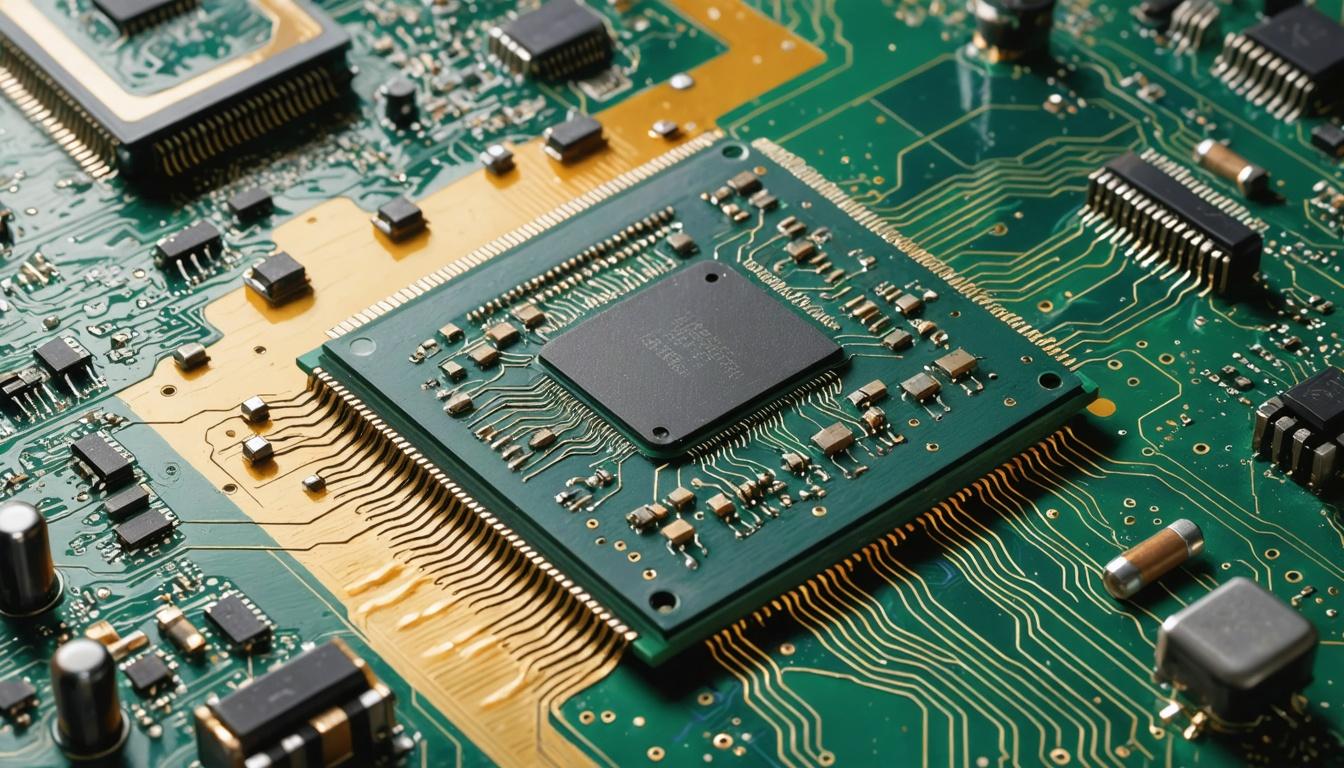
*this image is generated using AI for illustrative purposes only.
Indie Semiconductor reported second-quarter fiscal year 2026 revenue of $64 million, a 24% increase year-over-year, surpassing the midpoint of its prior guidance. This growth reflects accelerating demand in the automotive semiconductor sector, particularly for radar and vision solutions.
The company highlighted significant momentum in its core business, driven by new design wins and expanding applications in physical AI and quantum photonics. Management noted that the automotive market continues to recover steadily, supported by improving vehicle production and sustained demand for electric vehicles, with China remaining the strongest end market followed by the U.S. and Europe.
Strategic Wins and Product Expansion
A key highlight of the quarter was a design win with a leading Tier 1 supplier supporting Volvo for the company's 77 GHz radar chipset. This follows an initial $25 million production order announced in the previous quarter. Radar technology is increasingly foundational in automotive applications, with most implementations averaging four to five radars per car. Indie Semiconductor is also seeing traction with its 120 GHz radar solutions, which offer higher spatial resolution for physical AI applications.
In the vision portfolio, the IND881 edge AI SoC is gaining adoption for low-power, real-time processing tasks. The company also capitalized on surging DRAM prices by promoting its cost-optimized IND880 DRAMless architecture, which helps customers mitigate supply constraints. This solution has secured design wins with leading Chinese OEMs and Cadillac across various vehicle classes.
Financial Outlook and Portfolio Adjustments
For Q3FY26, Indie Semiconductor expects revenue between $67 million and $73 million. The guidance reflects continued growth from the core business and contributions from the Wuxi subsidiary, pending its divestiture. The company is also progressing with the acquisition of the CMOS Image Sensor group from ams OSRAM AG, which is under regulatory review and anticipated to close prior to year-end.
| Metric | Q2FY26 | YoY Change | Guidance Range (Q3FY26) |
|---|---|---|---|
| Revenue | $64 million | +24% | $67 million - $73 million |
What the Numbers Show
The divergence between revenue growth and margin expectations highlights a strategic transition. While revenue grew 24% YoY, management indicated that the pending divestiture of Wuxi Indie Micro is viewed as a potential drag on gross margins. This suggests that the current revenue base includes lower-margin operations that will be removed upon transaction closure, potentially improving the blended gross margin profile toward the company's long-term goal of exceeding 50%. Additionally, the reliance on DRAM supply constraints to drive immediate adoption of the IND880 architecture indicates a near-term revenue boost tied to external market volatility rather than purely organic product cycle maturity.

How might the pending regulatory approval of the ams OSRAM CMOS Image Sensor acquisition impact Indie Semiconductor's competitive positioning in the automotive vision market?
To what extent will the divestiture of Wuxi Indie Micro accelerate Indie Semiconductor's progress toward its long-term gross margin target of exceeding 50%?
If DRAM prices stabilize or decline, how sustainable will the adoption of the IND880 DRAMless architecture be among Chinese OEMs and Cadillac?





 Create Custom Screeners
  Access 200+ Pre-built Filters
  Use 50+ Readymade Screener





