

Hub Group Q2 Results: Balanced demand trends noted in intermodal and transportation


Hub Group filed a late SEC notification for the quarter ended June 30, 2026. The report details balanced demand in Intermodal and Transportation Solutions, with pricing momentum offset by higher operational costs. Logistics saw new Final Mile business, while excess capacity impacted Consolidation and Fulfillment productivity.

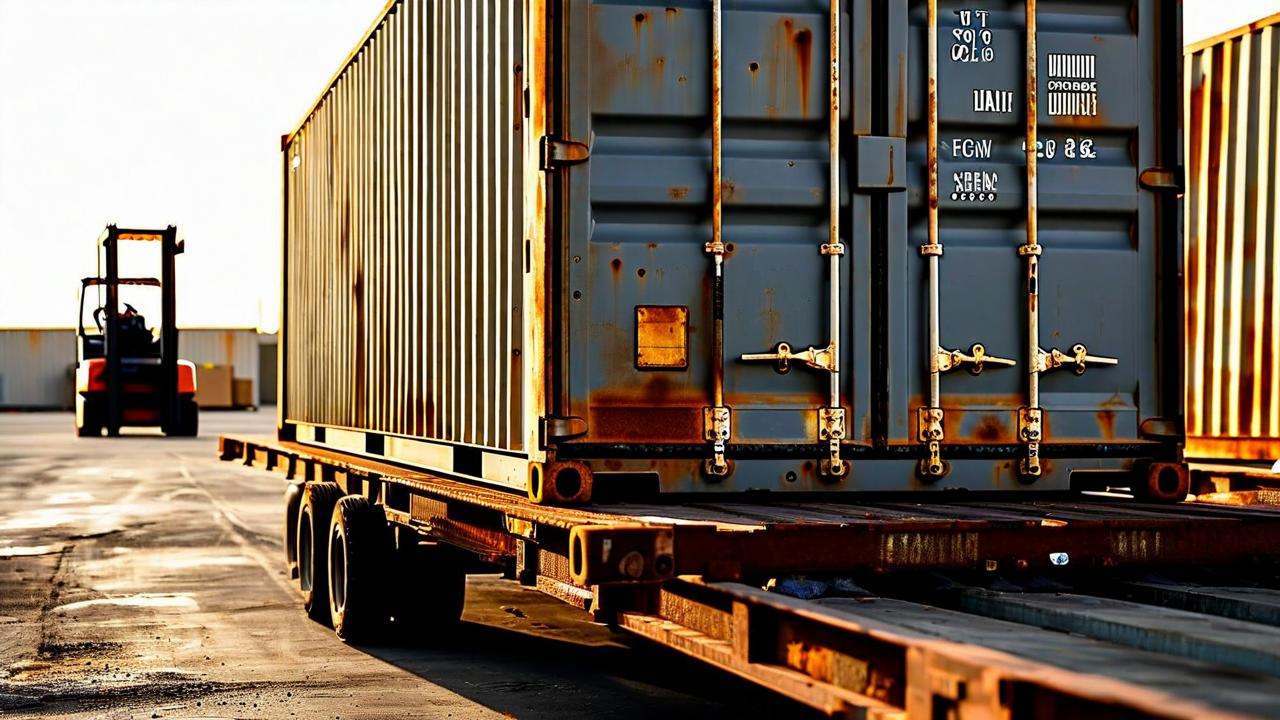

*this image is generated using AI for illustrative purposes only.
Hub Group filed a late SEC notification for the quarter ended June 30, 2026, reporting balanced demand trends across its Intermodal and Transportation Solutions segments in the first half of 2026. The filing indicates that while the company experienced increased opportunities for over-the-road conversion and maintained pricing momentum through the bid season, these positive factors were counterbalanced by elevated costs for fuel, rail, and drayage services.
First Half 2026 Business Performance
In its Logistics segment, Hub Group continued to onboard significant new business within its Final Mile division. The Managed Transportation business performed well, while Brokerage volumes reflected the company's ongoing strategic focus on improving profitability. Conversely, excess capacity weighed on productivity in the Consolidation and Fulfillment areas.
The company remains focused on serving customers through this dynamic environment. Management stated it is taking actions to drive growth, improve yield, enhance efficiency, increase operating cash flows, and improve overall profitability.
Segment Highlights
| Segment | Key Development |
|---|---|
| Intermodal & Transportation | Balanced demand; pricing momentum offset by higher fuel/rail costs |
| Logistics (Final Mile) | Continued onboarding of significant new business |
| Managed Transportation | Performed well |
| Brokerage | Volumes reflect focus on improving profitability |
| Consolidation & Fulfillment | Productivity weighed down by excess capacity |
What the Numbers Show
The divergence between segments highlights a mixed operational landscape. While the core Intermodal and Transportation Solutions benefited from pricing power, the margin pressure from input costs like fuel and rail suggests that revenue growth may not translate directly to proportional profit expansion without further efficiency gains. The specific mention of excess capacity in Consolidation and Fulfillment indicates a potential drag on overall asset utilization rates, contrasting with the strong performance in Managed Transportation.

How might Hub Group's strategy for converting over-the-road volumes to intermodal shift if fuel and rail costs continue to rise in the second half of 2026?
What specific operational measures is management implementing to mitigate the productivity drag caused by excess capacity in the Consolidation and Fulfillment segment?
Will the pricing momentum observed during the bid season be sustainable through year-end, or do analysts expect a normalization in freight rates?
 18
18




 Create Custom Screeners
  Access 200+ Pre-built Filters
  Use 50+ Readymade Screener





