

HP stock falls 3.1% as company flags weaker PC demand in 2027


- HP Inc shares fell 3.11% to $31.93 on Tuesday following warnings of declining PC unit volumes in 2027
- Company withheld fiscal 2027 guidance, citing premature timing and fluid market conditions
- Preliminary assumption projects mid-single-digit decline in global PC unit volumes for calendar year 2027
- Stock trades below its 20-day SMA of $32.22 but remains above 50-day and 200-day SMAs
- Analyst consensus is Hold with an average price target of $25

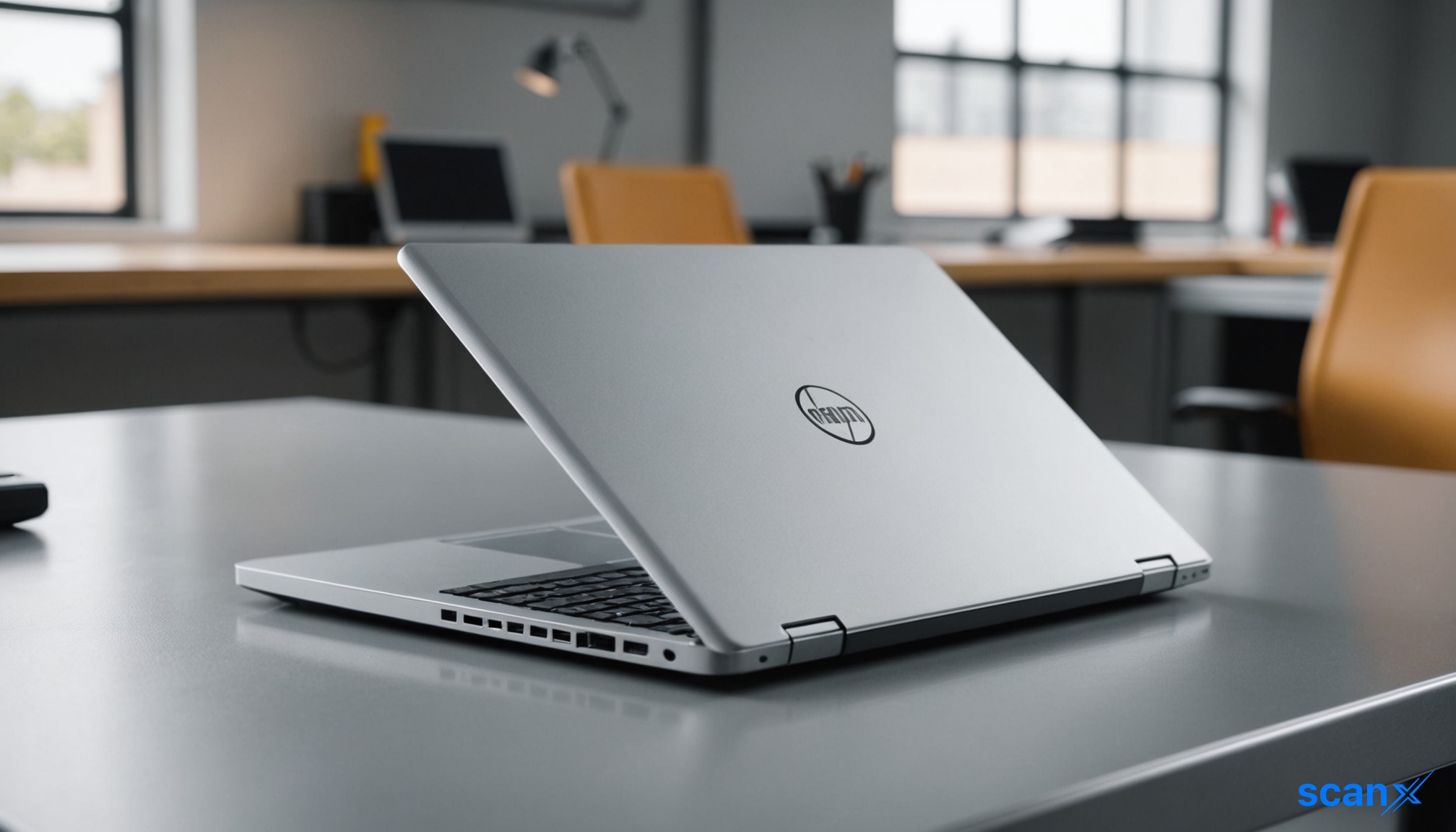

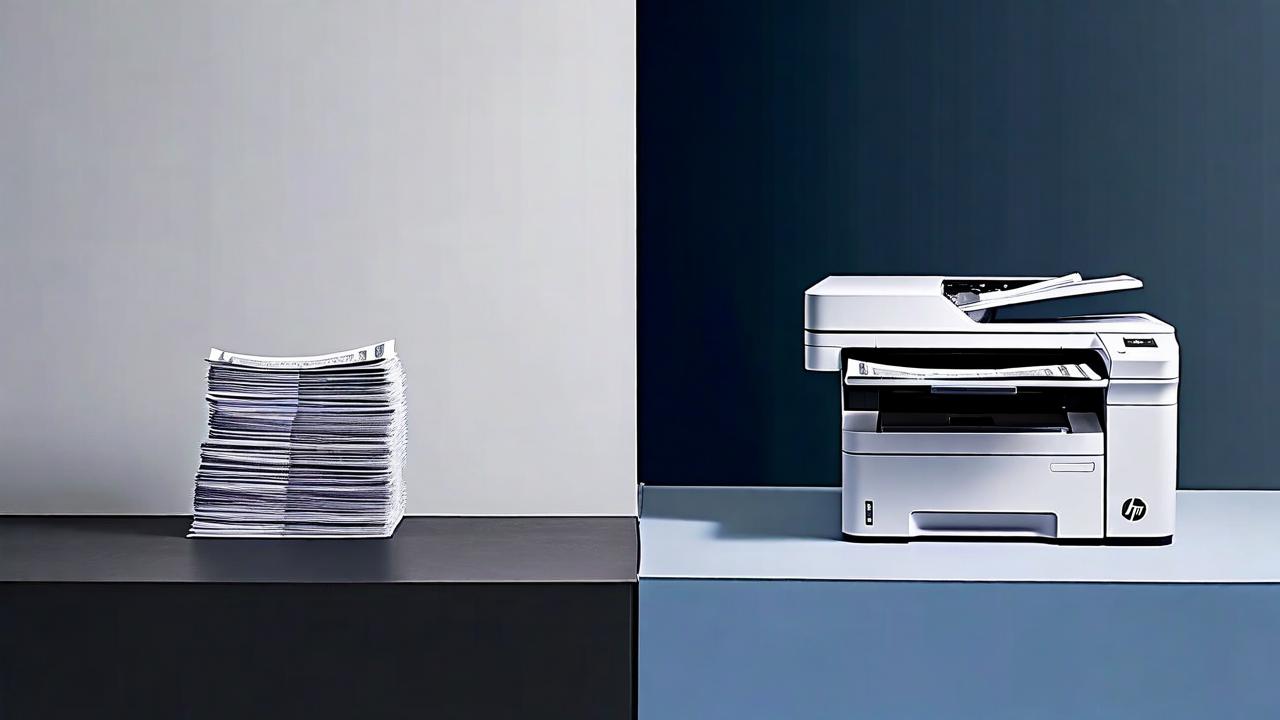
*this image is generated using AI for illustrative purposes only.
HP Inc (NYSE: HPQ) shares fell 3.11% to $31.93 on Tuesday after the computer maker warned that global personal computer unit volumes could decline by a mid-single-digit percentage in 2027.
The decline occurred despite broader market gains, with the Nasdaq rising 0.72%, the S&P 500 gaining 0.11%, and the technology sector advancing 0.65%. The drop follows an earlier fall of 3.72% on Monday, when HP withheld its fiscal 2027 financial guidance.
Guidance Withheld Amid Planning
HP stated in a Form 8-K filing that it remains in its planning period for fiscal 2027 and is not providing specific financial guidance for the year. Management noted that it is premature to provide specific outlook metrics, reiterating commentary from the third-quarter earnings call on August 26, where similar statements were made regarding PC unit volumes.
Market Contraction Forecast
The company’s preliminary planning assumption projects that industry-wide personal computer unit volumes will decline roughly mid-single-digit in percentage terms in calendar year 2027 compared to calendar year 2026. This aligns with current third-party industry forecasts.
HP noted that its planning assumptions depend on market performance during the second half of calendar year 2026. The company described current market conditions as fluid and subject to change, putting renewed attention on the PC market outlook as investors assess demand heading into 2027.
Technical Outlook
From a longer-term trend view, HP remains above its 50-day SMA ($29.46) and 200-day SMA ($23.38). However, shares have slipped about 1% below the 20-day SMA of $32.22. The relative strength index stands at 50.95, signaling neutral momentum after cooling from overbought levels earlier this month.
Key resistance sits at $32, while key support is at $27, aligning with a prior demand zone. The bullish structure previously reinforced by a golden cross in June faces near-term pressure from the recent pullback.
Analyst Outlook
HP carries a Hold consensus rating with an average price forecast of $25. Recent analyst actions include:
- RBC Capital: Initiated coverage on September 11 with a Sector Perform rating and a $33 price forecast.
- Barclays: Maintained an Underweight rating on August 28, raising its price forecast to $23.
- TD Cowen: Maintained a Hold rating on August 27, raising its price forecast to $30.
| Analyst | Date | Rating | Price Target |
|---|---|---|---|
| RBC Capital | Sep 11 | Sector Perform | $33 |
| Barclays | Aug 28 | Underweight | $23 |
| TD Cowen | Aug 27 | Hold | $30 |
What the Numbers Show
The divergence between HP’s strong technical position and the sharp two-day stock decline highlights investor sensitivity to guidance uncertainty. While the stock remains in a clear uptrend with support at multiple moving averages, the withholding of forward-looking metrics combined with a negative PC volume forecast has triggered immediate selling pressure. The Benzinga Edge momentum score of 93.57 contrasts sharply with a growth score of 11.79, suggesting the market is pricing in decelerating fundamentals despite strong historical price performance.

How might the projected mid-single-digit decline in 2027 PC unit volumes impact HP's pricing power and gross margins as it shifts focus toward higher-margin services and peripherals?
Will the withholding of fiscal 2027 guidance lead to increased volatility in HP's stock price until concrete outlook metrics are released, or will the market stabilize based on the current technical support levels?
To what extent could ongoing macroeconomic uncertainties and potential trade policy changes in late 2026 alter the industry forecasts that underpin HP's current planning assumptions?
 19
19








 Access Market Heat-map & Insights
  Create, Save & Share your Screener
  Use 200+ Screening Filters





