

HOEC begins Block B-80 compressor test run with partial gas sales


Hindustan Oil Exploration Company Limited has initiated a compressor test run at Block B-80 after reconfiguring its MOPU for lower suction pressures, enabling partial gas sales. This update follows the company's Q1FY27 investor presentation, which highlighted production trends across its offshore and onshore assets, including growth in Kharsang and Dirok blocks. The operational shift aims to optimize efficiency by switching generators to run on gas instead of diesel.


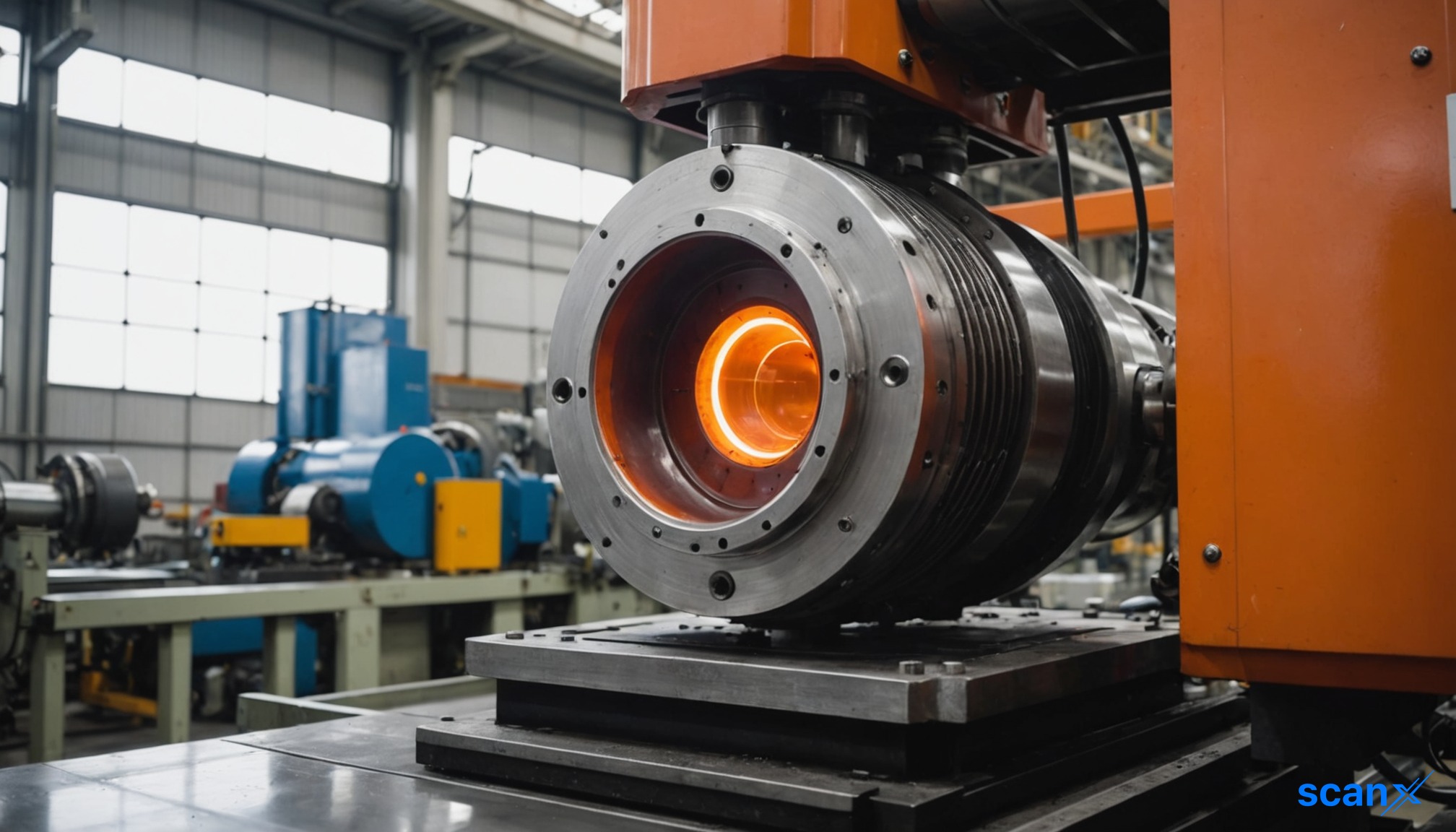
*this image is generated using AI for illustrative purposes only.
Hindustan Oil Exploration Company Limited has updated the operational status of Block B-80, confirming that the compression configuration on the Mobile Offshore Processing Unit (MOPU) has been changed to allow lower suction pressures. A test run of the compressors in this new configuration has been started, with partial gas sales now underway. The company made this disclosure pursuant to Regulation 30 of SEBI (Listing Obligations and Disclosure Requirements) Regulations, 2015, on August 13, 2026.
Block B-80 operational update
The commencement of the compressor test run marks a key step in HOEC's strategy to optimize production at its offshore asset. These developments follow the company's earlier plan to modify compressors to reduce suction pressure and switch generators to run on gas instead of diesel. Production from Block B-80 stood at 605 BOEPD in Q1FY27, compared to 377 barrels of oil and 2.8 Mmscf of gas in Q4FY26.
The company is also addressing a dispute with HPCL regarding a cargo of approximately 417,000 barrels supplied in August 2025, which contained organic chlorides. HOEC has cancelled the sale invoice and is reselling the oil to third parties, with completion expected by late October or early November 2026. Workovers on two subsea wells are planned for Q3FY27, followed by drilling three new wells in Q4FY27, with estimated capex for FY27 at USD 45 million.
Offshore operations
In the Cauvery Basin, Block PY1 produced 61 BOEPD in Q1FY27, with gas output rising slightly to 0.3 MMCSF from 0.26 MMCSF in Q4FY26. A booster compressor order has been placed to mitigate back pressure from GAIL lines, with installation targeted for October 2026. Two directional wells are planned for drilling by Q4FY27 or Q1FY28.
Onshore updates
The Kharsang block in North East India showed significant oil production growth, with gross production increasing from 325 BOPD to 726 BOPD following a nine-well campaign in FY26. Gas potential from three tested wells, ranging from 3.4 MMSCFD to 8.6 MMSCFD, remains shut-in pending evacuation plans. HOEC plans to drill nine additional development wells in FY27.
In the Dirok block, gas production stood at 15.424 MMSCFD and condensate at 280.32 barrels per day in Q1FY27, up from 13.43 Mmscf and 251.00 barrels in Q4FY26. The revised Field Development Plan has been approved, extending the block till 2035, with the Production Sharing Contract extension expected to be signed by August or September 2026.
Cambay basin blocks Asjol and North Balol reported modest production of 9 BOEPD and 66 BOEPD respectively in Q1FY27. In Palej, installation of a thermic fluid heater increased production by 20%, with workovers and sucker rod pump installations planned to enhance output further.
Key production metrics
The following table summarises Q1FY27 production across HOEC's key blocks:
| Block: | Production (Q1FY27) | Production (Q4FY26) |
|---|---|---|
| B80: | 605 BOEPD | 377 barrels of oil; 2.8 Mmscf of gas |
| PY1 (Cauvery): | 61 BOEPD; 0.3 MMCSF gas | 0.26 MMCSF gas |
| Kharsang: | 726 BOPD | 325 BOPD |
| Dirok (gas): | 15.424 MMSCFD; 280.32 barrels condensate/day | 13.43 Mmscf; 251.00 barrels |
| Asjol (Cambay): | 9 BOEPD | - |
| North Balol (Cambay): | 66 BOEPD | - |
What the numbers show
The commencement of a compressor test run with partial gas sales at Block B-80, alongside the MOPU reconfiguration for lower suction pressures, signals incremental operational progress at the company's key offshore asset. Meanwhile, the divergence between Kharsang's oil production ramp-up and its shut-in gas volumes highlights an infrastructure bottleneck. While oil output doubled, significant gas reserves identified in recent tests remain unmonetized, indicating that near-term revenue growth from this asset will depend on resolving evacuation logistics.
Historical Stock Returns for Hindustan Oil Exploration
| 1 Day | 5 Days | 1 Month | 6 Months | 1 Year | 5 Years |
|---|---|---|---|---|---|
| -2.91% | -1.02% | -8.15% | +7.54% | +6.36% | -13.45% |

How will the successful transition of Block B-80's generators from diesel to gas impact HOEC's long-term operational costs and carbon footprint?
What specific infrastructure partnerships or regulatory approvals are required to monetize the currently shut-in gas reserves in the Kharsang block?
Could the resolution of the organic chloride dispute with HPCL set a precedent for liability standards in future crude oil transactions involving HOEC?
 18
18




 Create Custom Screeners
  Access 200+ Pre-built Filters
  Use 50+ Readymade Screener





