

Hatsun Agro Product declares Rs 10 interim dividend for FY 2026-27


Hatsun Agro Product Limited has announced a first interim dividend of Rs 10 per equity share for the financial year 2026-27, with a record date set for May 26, 2026. The dividend will be paid after deducting tax at source as per the Income Tax Act, 2025, with rates varying by shareholder status. Resident shareholders with a valid PAN face a 10% TDS, while those without PAN or with invalid PAN are subject to 20%. Exemptions are available for residents submitting Form 121 or entities like LIC and Mutual Funds. Non-resident shareholders are subject to 20% tax or applicable treaty rates, provided they submit necessary documents such as a Tax Residency Certificate and Form 41 by June 3, 2026.



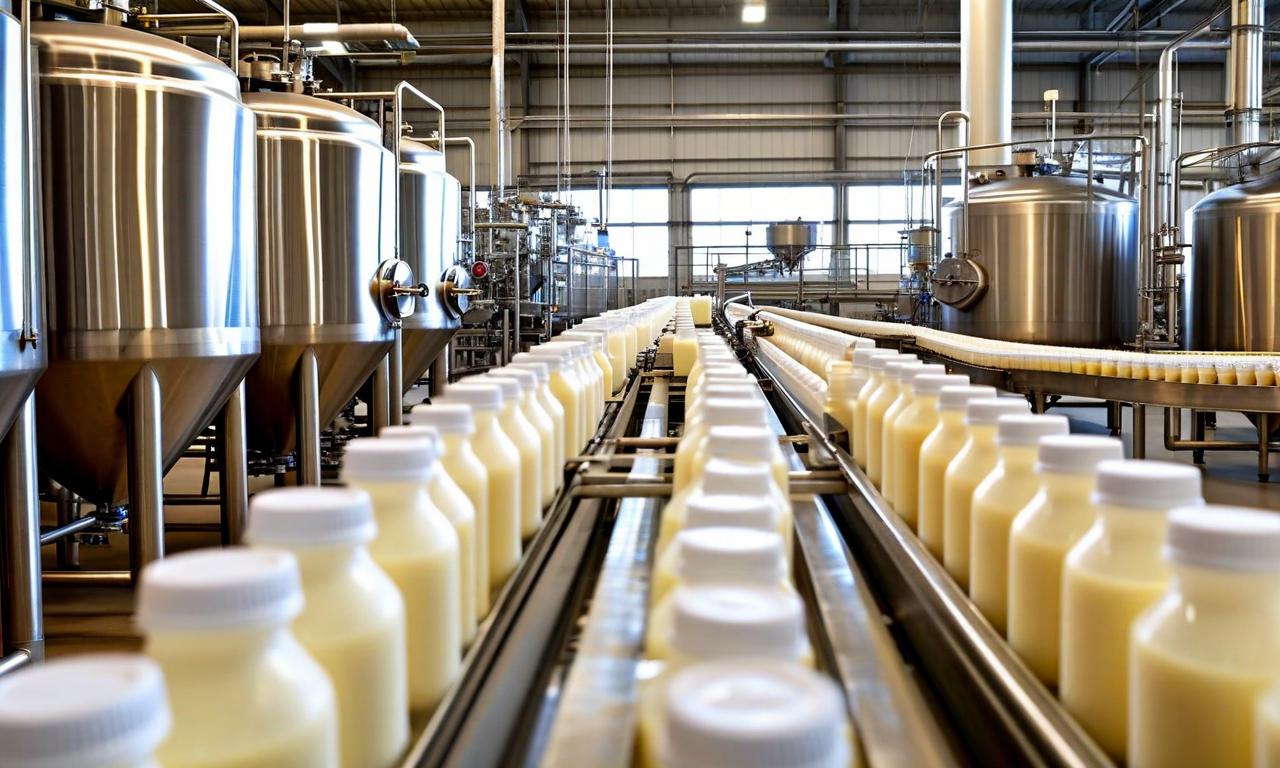
*this image is generated using AI for illustrative purposes only.
Hatsun Agro Product Limited has declared a first interim dividend of Rs 10 per equity share, equivalent to 1000% on the face value of Re 1, for the financial year 2026-27. Shareholders holding shares on the record date of May 26, 2026, are entitled to receive this dividend. The company stated that tax will be deducted at source (TDS) as per the Income Tax Act, 2025, before the dividend is paid.
The Board of Directors approved the dividend at a meeting held on May 19, 2026. The withholding tax rate will vary based on the residential status of the shareholder and the documents submitted. For resident shareholders with a valid PAN, the TDS rate is 10%, while it rises to 20% if the PAN is not registered or is invalid. Shareholders may submit Form 121 (formerly Form 15G/15H) to claim a NIL rate if their estimated total income for FY 2026-27 results in zero tax liability. Dividends up to Rs 10,000 for the financial year are exempt from TDS for resident individuals.
Tax Rates and Documentation
The company has outlined specific documentation requirements for different categories of shareholders to ensure the correct tax rate is applied. The table below details the applicable rates and necessary submissions.
| Category | Applicable Withholding Tax Rate | Documents Required |
|---|---|---|
| Resident with PAN | 10% | Update PAN with depositories (demat) or RTA (physical). |
| Resident without/Invalid PAN | 20% | N/A |
| Form 121 Submission | NIL | Declaration in Form 121 from the Income Tax website. |
| Exempt Entities (e.g., LIC, GIC) | NIL | Evidence of non-applicability of Section 393(1) and declaration of beneficial interest. |
| Mutual Funds/Govt | NIL | Self-declaration under Schedule VII, PAN copy, and registration certificate. |
| Alternative Investment Funds | NIL | Self-declaration of exemption under Schedule V, PAN copy, and SEBI registration certificate. |
Non-Resident Shareholder Provisions
Non-resident shareholders, including Foreign Institutional Investors (FIIs) and Foreign Portfolio Investors (FPIs), are subject to a TDS rate of 20% plus surcharge and cess, or the applicable Tax Treaty rate, whichever is lower. To avail of the lower Tax Treaty rate, shareholders must submit a Tax Residency Certificate (TRC) for FY 2026-27 or later, a self-attested PAN copy, and a mandatory electronically filed Form 41 (formerly Form 10F). A self-declaration confirming beneficial ownership and the absence of a Permanent Establishment in India is also required.
Hatsun Agro Product emphasized that it is not obligated to apply beneficial Tax Treaty rates if the submitted documents are incomplete or unsatisfactory. Shareholders must submit all tax exemption forms and supporting documents via the web portal managed by M/s. Integrated Registry Management Services Pvt Ltd by June 3, 2026. Communications received after this date will not be considered for the dividend payment. The company will email TDS certificates to registered email IDs post-payment, and credits will be reflected in Form 26AS.
Historical Stock Returns for Hatsun Agro Product
| 1 Day | 5 Days | 1 Month | 6 Months | 1 Year | 5 Years |
|---|---|---|---|---|---|
| +1.74% | -3.25% | -4.93% | +21.09% | +22.49% | -19.18% |

Will Hatsun Agro maintain this high dividend payout ratio throughout the remainder of FY 2026-27?
How might the new TDS compliance requirements impact foreign investor sentiment towards the stock?
What capital allocation strategy will the company pursue for the remainder of the year after this significant payout?
 17
17












 Create Custom Screeners
  Access 200+ Pre-built Filters
  Use 50+ Readymade Screener





