

Glen Industries reports INR205.16 crore total income in FY26


Glen Industries Limited released the transcript of its analyst meet held on May 29, 2026, discussing the audited financial results for the half-year and financial year ended March 31, 2026. The company reported total income of INR205.16 crores, EBITDA of INR38.50 crores, and profit after tax of INR16.50 crores for FY26. Management highlighted strong demand for sustainable packaging, an expansion project targeting INR500 crores turnover by FY28, and strategies to manage raw material price fluctuations.


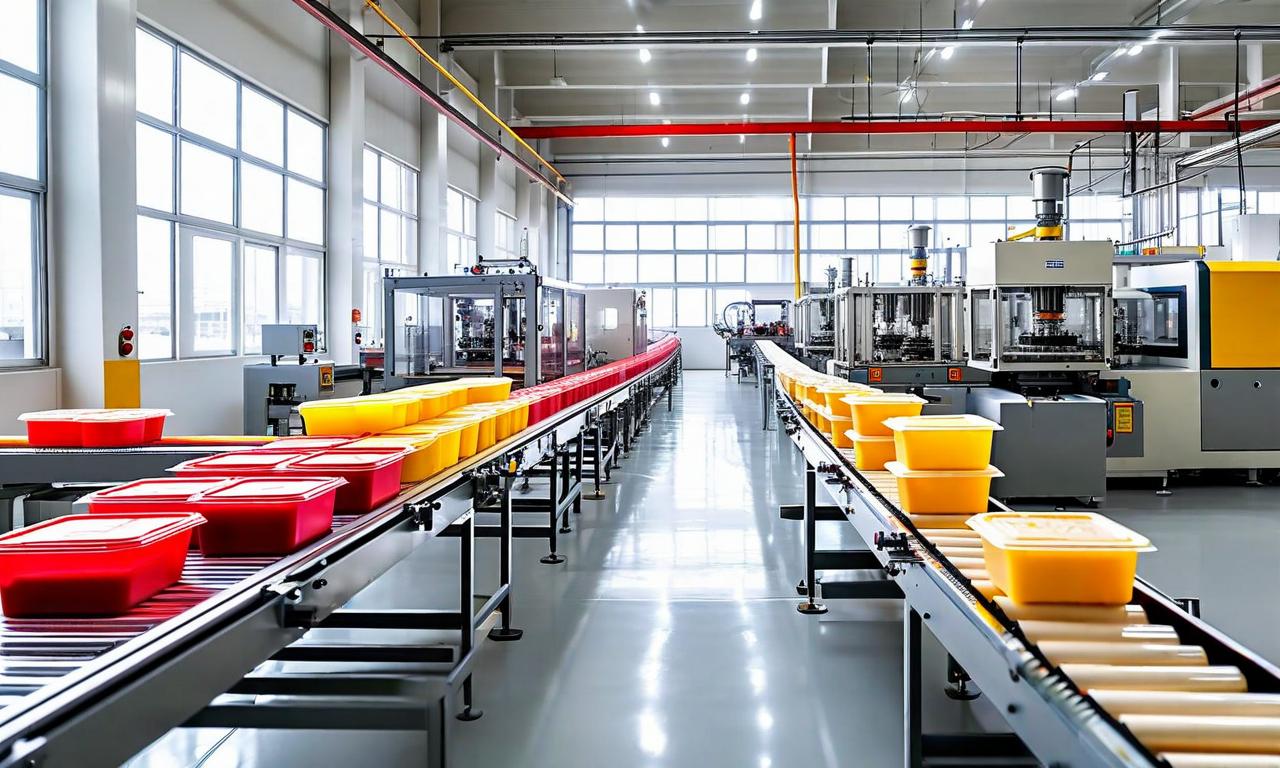
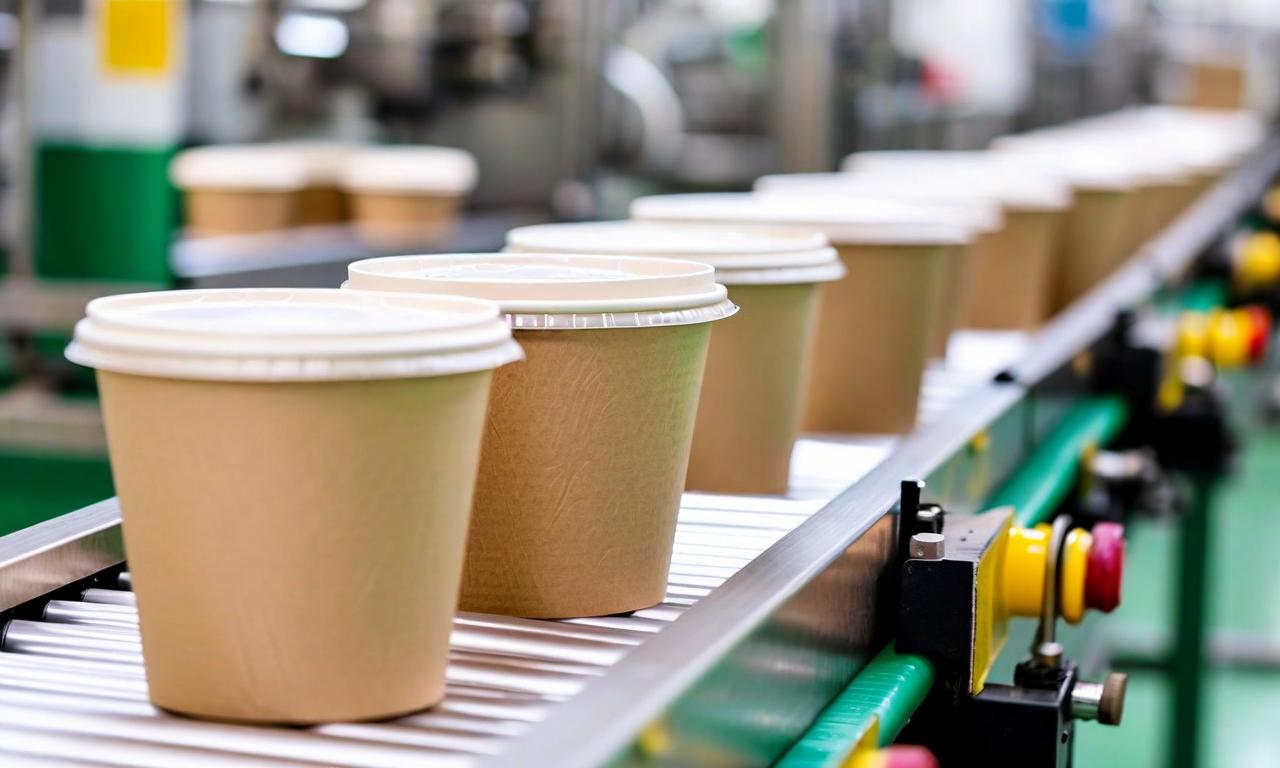
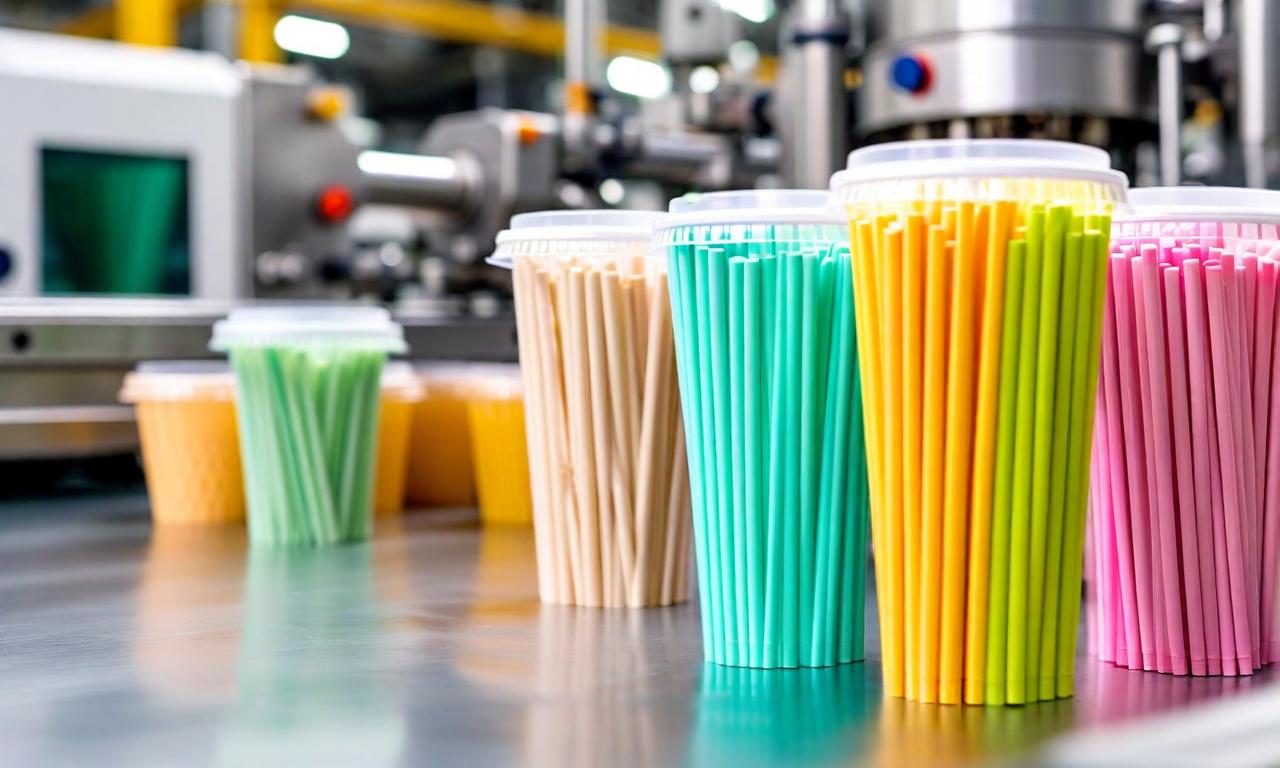
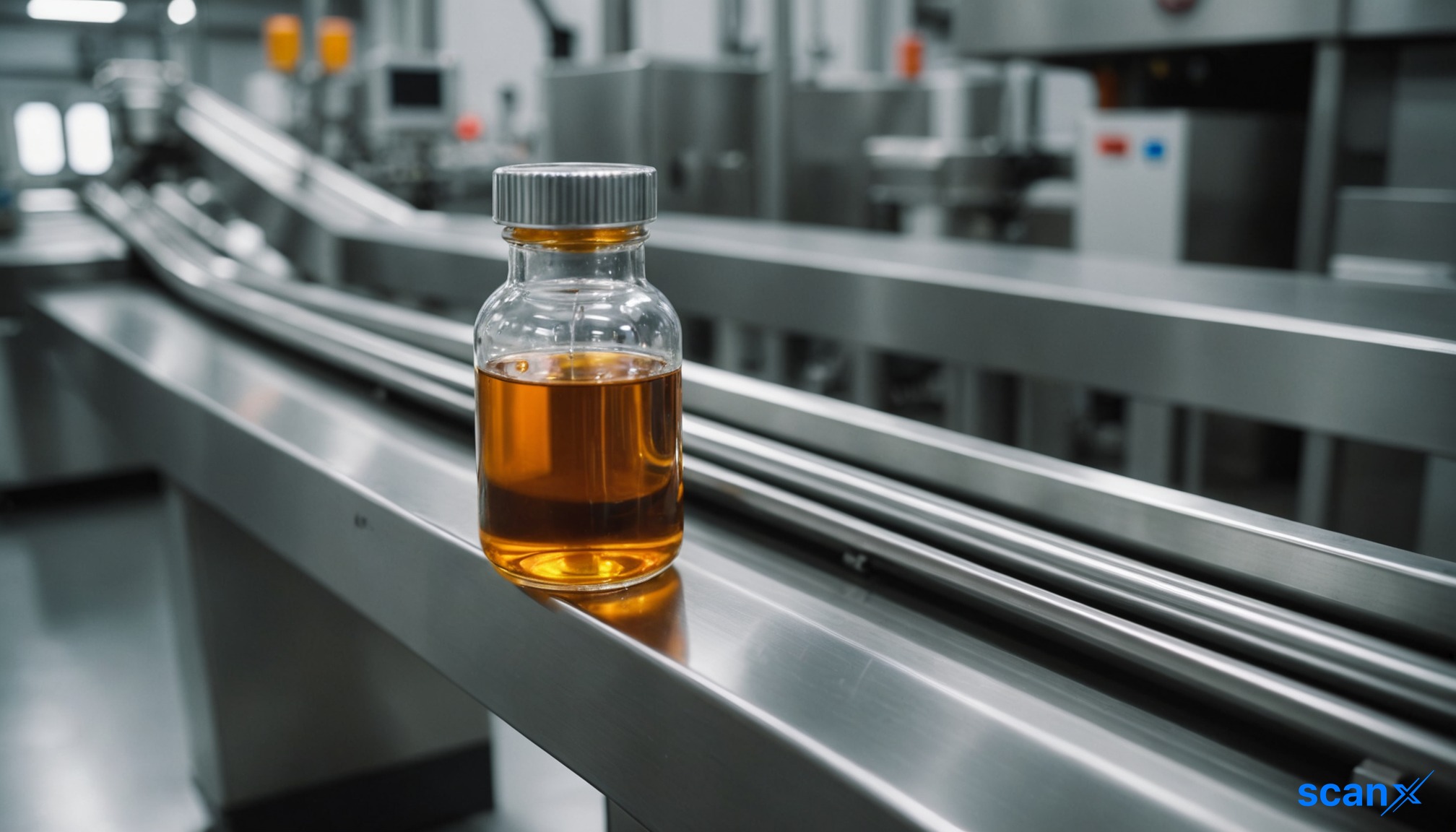
*this image is generated using AI for illustrative purposes only.
Glen Industries Limited has released the transcript of its analyst meet held on May 29, 2026, discussing the audited financial results for the half-year and financial year ended March 31, 2026. The disclosure was made pursuant to Regulation 30 of the Securities and Exchange Board of India (Listing Obligations and Disclosure Requirements) Regulations, 2015.
Financial Performance for FY26
The company reported a strong financial performance for Financial Year 2026, with total income reaching INR205.16 crores. EBITDA for the year stood at INR38.50 crores, while profit after tax was INR16.50 crores. The growth was driven by robust demand for sustainable packaging products, increasing exports, and operational efficiencies.
The second half of the fiscal year showed encouraging momentum. Total income for H2 FY26 was INR108.60 crores, with EBITDA at INR18.69 crores and profit after tax at INR8.20 crores. This performance reflected healthy demand and improved scale efficiencies.
Operational Highlights
Glen Industries continued to focus on manufacturing sustainable plastic and paper-based packaging solutions. The category-wise revenue contribution for FY26 was led by thin-wall food containers at approximately 82.72%, followed by PLA and paper straws at 17.16%. Mold designing services contributed 0.12%.
Capacity utilization for the year was approximately 77.74% for thin-wall food containers, 28.33% for PLA straws, and 34.13% for paper straws. The company serves over 26 states in India and more than 30 countries globally, with a client base of over 40 recurring international customers.
Expansion and Future Guidance
Management outlined a significant expansion project with a capital expenditure estimated between INR130 crores and INR135 crores, an increase from the initial estimate of INR100 crores due to currency fluctuation and enhanced project scope. The project, which includes increasing food container capacity and adding paper-based packaging, is funded through internal resources.
Commercial production is expected to start by September 2026. The new capacity is projected to add approximately INR300 crores in revenue. Combined with existing capacity potential of INR200 crores to INR215 crores, the company targets a total turnover of INR500 crores by FY28, with an EBITDA of INR90 crores.
Raw Material Pricing
Addressing raw material costs, the company noted that polypropylene prices, which were around INR90 to INR92 per kg before the war, peaked at INR150 per kg and stabilized at INR135 per kg. PLA prices moved from INR195 to INR197 per kg to approximately INR205 per kg. The company passes on raw material price fluctuations to customers to maintain absolute margins.
| Day, Date & time | Company/Institutions/ Analyst/ Organisations | Venue or Mode of Meeting | Nature of Meeting |
|---|---|---|---|
| Friday May 29, 2026 Time: 05:30 PM |
Analyst(s)/Investor(s) | Virtual Meeting | Group Meeting |
Shikha Sureka, Company Secretary and Compliance Officer, signed the disclosure on behalf of Glen Industries Limited.
Historical Stock Returns for Glen Industries
| 1 Day | 5 Days | 1 Month | 6 Months | 1 Year | 5 Years |
|---|---|---|---|---|---|
| +0.56% | -9.92% | -14.21% | +36.90% | +20.18% | -29.05% |

How will the increased capital expenditure impact the company's debt levels or liquidity position?
What strategies are in place to ensure the new capacity is fully utilized given the current low utilization rates for PLA and paper straws?
How does the company plan to manage potential raw material price volatility if pass-through mechanisms face resistance from customers?
 20
20







 Create Custom Screeners
  Access 200+ Pre-built Filters
  Use 50+ Readymade Screener





