

GE HealthCare launches Allia upgrade pathways for legacy systems


GE HealthCare announced Allia platform upgrade pathways designed to help customers modernize select legacy Innova and Discovery Image Guiding Solutions systems. These pathways provide access to Allia technologies and workflows that support efficiency and procedural decision-making while preserving existing infrastructure. The upgrades are available in the U.S. and other countries where Allia systems are approved.

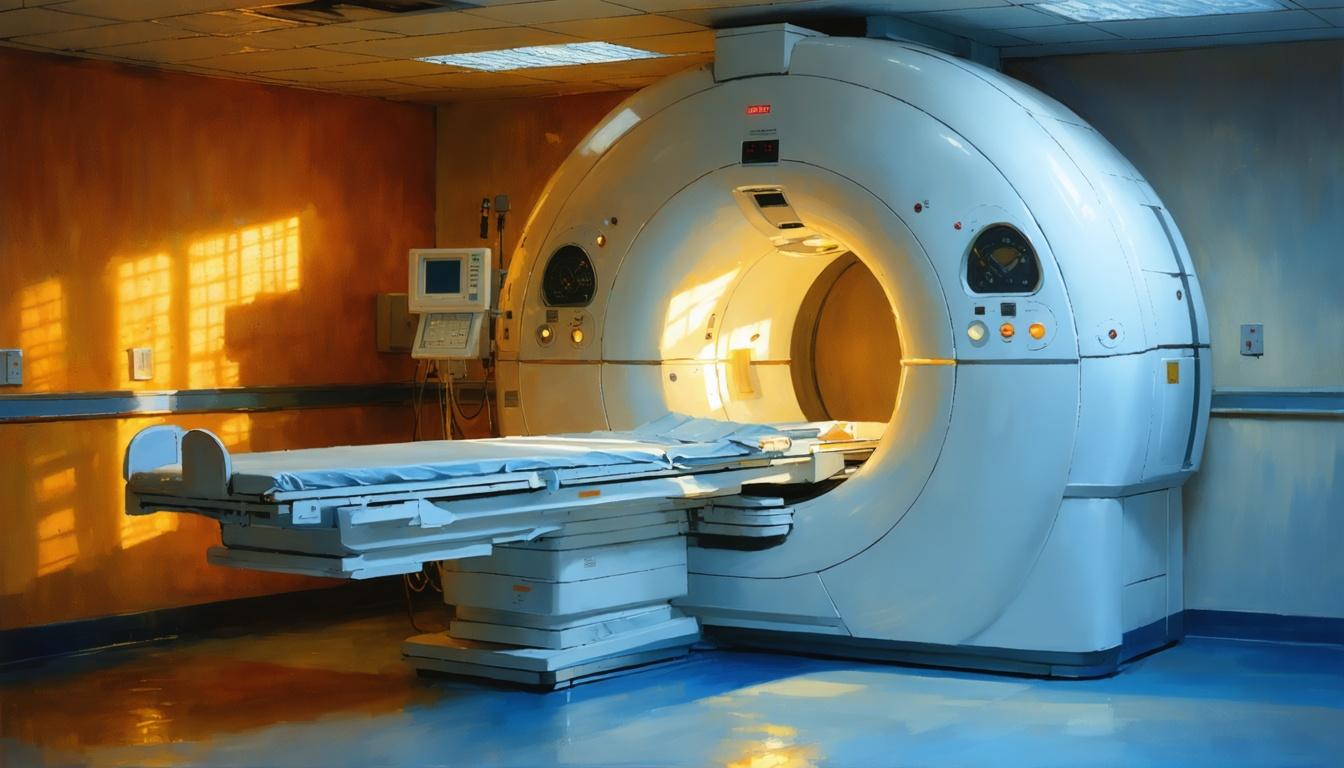

*this image is generated using AI for illustrative purposes only.
GE HealthCare today announced Allia platform upgrade pathways designed to help customers modernize select legacy Innova and Discovery Image Guiding Solutions (IGS) systems. These pathways provide access to Allia technologies and workflows that support efficiency and procedural decision-making while helping preserve existing infrastructure, avoid major construction work, extend interventional room lifetime, and minimize disruption to clinical operations.
As procedural complexity and patient volumes grow and installed systems age, healthcare providers are looking for flexible ways to modernize interventional environments. According to the European Coordination Committee of the Radiological, Electromedical and Healthcare IT Industry (COCIR), one-third of interventional X-ray systems in Europe are more than 10 years old, highlighting the importance of technology renewal planning.
Upgrade Capabilities
The upgrade pathways can help customers extend the value of existing systems through workflow enhancements, expanded interoperability capabilities and access to Allia innovations. Depending on system configuration, market availability and applicable regulatory requirements, upgrade options may provide access to capabilities and to third party solutions.
| Technology | Description |
|---|---|
| CleaRecon DL | AI-enabled deep learning reconstruction technology designed to support CBCT image interpretation confidence by reducing streak artifacts. |
| 3DStent | Intraprocedural tool for 3D visualization of the coronary stent designed to remove major stent imaging barriers. |
| OmnifyXR Interventional Suite | Augmented reality guidance solution designed to support workflow efficiency and ergonomics. |
| Embo ASSIST AI | Augmented guidance solution designed to optimize embolization strategies and streamline clinical workflow. |
| Medis Quantitative Flow Ratio | Software solution designed to assess coronary physiology in patients with coronary artery disease. |
| AVVIGO+ intravascular imaging platform | Multimodality guidance platform that enhances the IVUS and physiology experience. |
Strategic Value
"Interventional care continues to evolve rapidly, and health systems are looking for technology strategies that balance innovation, operational continuity and long-term value," said Jyoti Gera, CEO, CardioVascular and Interventional Solutions, Advanced Imaging Solutions, GE HealthCare. "These Allia upgrade pathways reflect our commitment to helping customers modernize on their own terms by extending the capabilities of existing systems while providing access to the latest Allia innovations and AI-enabled technologies in a less disruptive, more sustainable way."
GE HealthCare also provides Tube Watch and/or OnWatch Predict service options on all upgraded systems. These options help customers proactively manage system performance and maintenance by providing an AI-powered estimated lead time to failure, supporting efforts to reduce unplanned downtime. These upgrade pathways are available in the U.S. and other countries where Allia IGS and Allia IGS Pulse systems are available for sale.

How will the introduction of AI-enabled upgrades like CleaRecon DL and Embo ASSIST AI influence the competitive landscape for interventional imaging systems?
What is the expected financial impact on GE HealthCare's revenue streams as customers shift from purchasing new hardware to adopting software-centric upgrade pathways?
How might these upgrade strategies accelerate the adoption of augmented reality and AI tools in interventional procedures compared to traditional equipment replacement cycles?
 17
17






 Access 50+ Readymade Screeners
  Use 200+ Custom Filters
  Get Full Market Insights





