
 NewsG R Infraprojects Q4 FY26 Earnings: Standalone Revenue Rises 27% YoY to INR2,521 Crores; Order Book at INR26,470 Crores
G R Infraprojects Q4 FY26 Earnings: Standalone Revenue Rises 27% YoY to INR2,521 Crores; Order Book at INR26,470 Crores


G R Infraprojects reported Q4 FY26 standalone revenue of INR2,521 crores, up ~27% YoY, and full-year standalone revenue of INR7,620 crores, up 17% YoY. The company's order book stood at approximately INR26,470 crores, with INR10,700 crores in new orders secured during FY26. For FY27, management targets new order wins of INR20,000 crores to INR22,000 crores and top-line growth of approximately 15%, while maintaining disciplined capex of INR300 crores to INR350 crores. Geopolitical headwinds, land acquisition challenges, and commodity price volatility remain key risks to execution and margins.


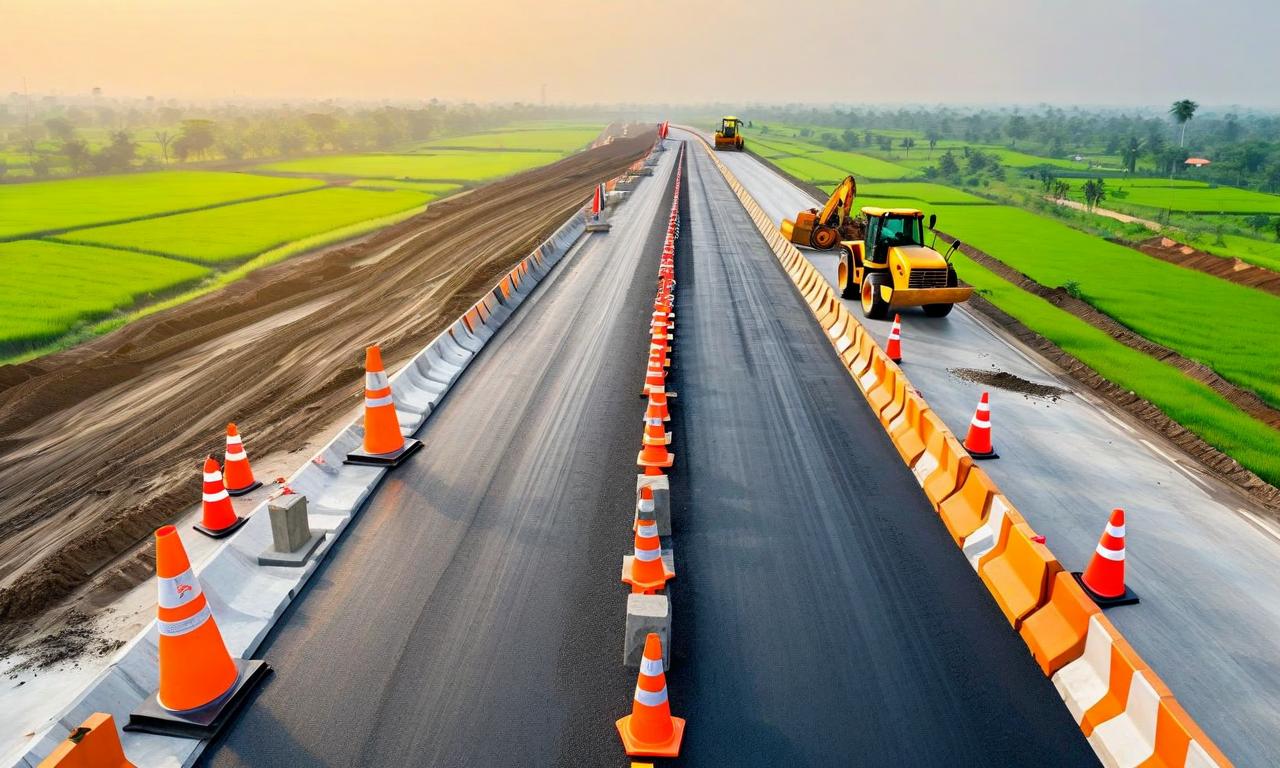
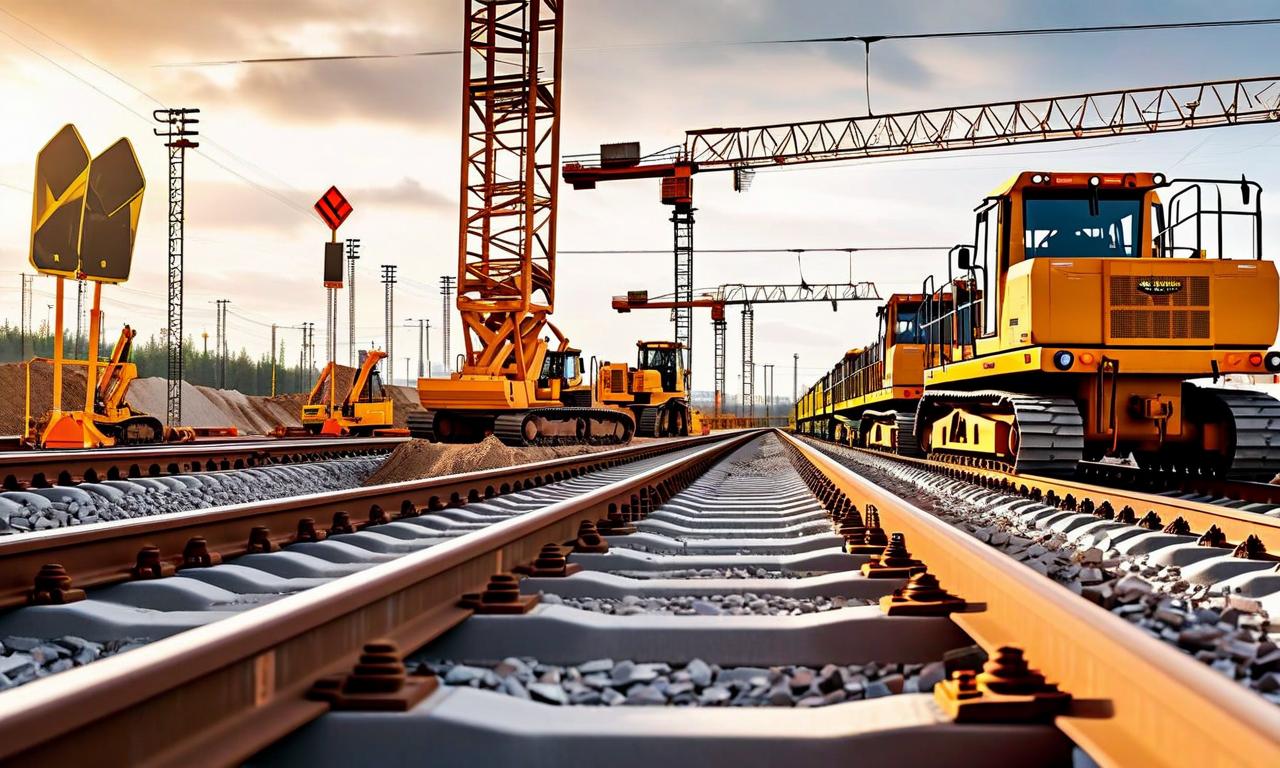
*this image is generated using AI for illustrative purposes only.
G R Infraprojects Limited held its Q4 FY26 Earnings Conference Call on May 12, 2026, with Chairman and Managing Director Mr. Ajendra Kumar Agarwal and Group CFO Mr. Anand Rathi presenting the company's financial and operational performance for the quarter and year ended March 31, 2026. The call was moderated by Mr. Aditya Sahu from HDFC Securities. Management highlighted resilient execution amid global geopolitical uncertainties, disciplined balance sheet management, and a broadening diversification strategy across infrastructure segments.
Financial Performance: Q4 and Full Year FY26
The company delivered steady revenue growth across both standalone and consolidated bases for the quarter and the full year. The following table summarises the key financial metrics:
| Metric: | Q4 FY26 | Q4 FY25 | Change (YoY) |
|---|---|---|---|
| Standalone Revenue from Operations: | INR2,521 crores | INR1,990 crores | ~+27% |
| Consolidated Revenue from Operations: | INR2,500 crores | INR2,275 crores | ~+10% |
| Standalone EBITDA Margin: | 10.85% | 17.5% | Decreased |
| Consolidated EBITDA Margin: | 14.73% | 23.96% | Decreased |
| Standalone PAT: | INR1,417 crores | INR371 crores | Increased |
| Consolidated PAT: | INR209.86 crores | INR403 crores | Decreased |
| Metric: | FY26 | FY25 | Change (YoY) |
|---|---|---|---|
| Standalone Revenue from Operations: | INR7,620 crores | INR6,515 crores | +17% |
| Consolidated Revenue from Operations: | INR8,398 crores | INR7,395 crores | +13.5% |
| Standalone EBITDA Margin: | ~11% | 13.88% | Decreased |
| Consolidated EBITDA Margin: | 19.31% | 22.13% | Decreased |
The decline in standalone EBITDA margin for Q4 FY26 was primarily attributed to a one-time claims income of INR47.5 crores recognised in Q4 FY25, which inflated the prior-year base. For the full year, the margin compression reflected a one-time claim income of INR123 crores in FY25 and higher construction costs in FY26. The sharp increase in standalone PAT for Q4 FY26 included approximately INR182 crores (net of tax) as an exceptional gain from the sale of four subsidiaries to Indus Infra Trust.
Balance Sheet and Working Capital
The company maintained a strong balance sheet with continued debt reduction. Key balance sheet metrics are presented below:
| Metric: | FY26 | FY25 |
|---|---|---|
| Standalone Net Worth: | INR8,869 crores | INR7,888 crores |
| Consolidated Net Worth: | INR9,391 crores | INR8,503 crores |
| Standalone Borrowings: | INR234 crores | — |
| Consolidated Borrowings: | INR4,845 crores | — |
| Standalone Debt-to-Equity: | 0.03x | — |
| Consolidated Debt-to-Equity: | 0.52x | — |
| Working Capital (days): | 128 days | 117 days |
| Standalone Trade Receivables: | INR2,372 crores | — |
| — of which HAM Debtors: | INR1,667 crores | — |
| Consolidated Trade Receivables: | INR745 crores | — |
| Standalone Unbilled Revenue: | ~INR808 crores | — |
| Consolidated Unbilled Revenue: | INR436 crores | — |
| Inventory: | INR739 crores | INR538 crores |
During FY26, the company repaid debt of approximately INR262 crores, further improving its standalone debt-to-equity ratio to 0.03. The increase in working capital days from 117 to 128 was primarily on account of higher debtor days. Fixed asset additions during Q4 FY26 were approximately INR36 crores, and for the full year approximately INR133 crores. The net block of property, plant and equipment including work-in-progress and intangibles stood at approximately INR1,057 crores at the end of FY26. Investments in subsidiary companies in the form of loans and equity stood at INR2,271 crores as of March 2026.
Order Book and New Order Wins
The company secured new orders of INR10,700 crores during FY26. In Q4 FY26 alone, three new projects were secured — one tunnel project and two HAM road projects — aggregating to approximately INR5,500 crores. The appointed date for one DBFOT project worth approximately INR3,600 crores remains awaited. As of the date of the call, the total order book stood at approximately INR26,470 crores, with further bids aggregating to approximately INR13,500 crores yet to be opened.
During FY26, Provisional Certificate of Completion (PCOD) was received for five HAM projects. The company also monetised four HAM assets to Indus Infra Trust for a total consideration of INR321 crores, recording an exceptional gain of INR253 crores.
Sector Outlook and FY27 Targets
Management outlined sector-specific order inflow targets for FY27 across multiple infrastructure verticals:
| Sector: | FY27 New Order Target |
|---|---|
| Transport (Roads & Railways): | INR12,000 crores – INR14,000 crores |
| Power Transmission: | INR5,000 crores |
| Tunnels & Hydro: | INR2,000 crores – INR3,000 crores |
| Oil & Gas: | INR2,000 crores – INR3,000 crores |
| Ropeway, Telecom & Renewables: | INR1,000 crores – INR2,000 crores |
| BSNL (Optical Fibre Cable): | INR500 crores – INR1,000 crores |
| Total Target: | INR20,000 crores – INR22,000 crores |
For the transport sector, management noted that MoRTH and Railways received approximately INR6 lakh crores in the Union Budget for FY27, with a visible project pipeline of INR7.6 lakh crores comprising HAM, BOT, EPC and Railway projects. Order inflow in the transport sector is expected to grow by approximately 10% to 15% in FY27. In the power transmission segment, India's power sector is expected to attract investment potential of nearly INR45 lakh crores over the next seven years. The company is focusing on approximately 20% of the bid pipeline of INR1,20,000 crores. In tunnels and hydro, the government is targeting tunnel projects worth approximately INR3 lakh crores over the next decade, with a bid pipeline of INR87,000 crores and company focus on INR23,000 crores of bids.
Capital Expenditure, HAM Contributions and Logistics
For FY27, the company guided capex in the range of INR300 crores to INR350 crores, primarily for plant and machinery related to tunnel and power transmission projects. Management noted that depreciation is expected to remain broadly in a similar range due to recycling of older equipment alongside new additions.
The total promoter contribution required for operational HAM and BOT projects stands at INR3,486 crores, of which approximately INR1,000 crores is expected to be contributed in FY27. Total contribution already made stands at INR2,055 crores against a total requirement of approximately INR5,400 crores.
On the logistics and warehousing front, the company is targeting equity investment of INR600 crores to INR700 crores over the next three years across multi-modal logistics park (MMLP) and related facilities. The Indore MMLP project has already been bid with the government, while land acquisition discussions are ongoing for two other projects. Dark stores under the logistics vertical are operated on a lease model.
Management also indicated that cash flows from Indus Infra Trust are expected to be in the range of INR200 crores to INR250 crores, with the mix between dividend and capital return varying depending on asset acquisition activity by the InvIT. The company holds approximately INR2,400 crores worth of InvIT units on its balance sheet, with no concrete plan to divest a large portion at this stage.
Key Risks and Operational Challenges
Management highlighted several factors affecting near-term execution and margins:
- Geopolitical uncertainty: Volatility in crude oil prices — with Brent crude touching nearly USD126 per barrel in late April 2026 — is impacting fuel and bitumen costs, which account for approximately 40% of road construction costs.
- Land acquisition delays: Piecemeal land availability continues to constrain execution speed and increase project costs, particularly in states such as Bengal and Punjab.
- Appointed date delays: The Agra-Gwalior BOT project's appointed date remains pending; management expects it around September, with no indication of cancellation from NHAI so far.
- Oil and gas execution: Revenue from the oil and gas segment in Q4 FY26 was approximately INR400 crores to INR450 crores against an earlier expectation of approximately INR600 crores, due to price volatility and pending authority clarifications on price variation clauses.
- Income Tax search: A search conducted in October 2025 is ongoing; management stated that no material findings have emerged so far and the process is being followed as per statutory requirements.
For FY27, management guided for top-line growth in the range of 15%, while acknowledging that geopolitical developments and commodity price movements could influence margin outcomes. The company's FY27 revenue target for the oil and gas segment is approximately INR1,000 crores to INR1,200 crores.

How might sustained elevated crude oil prices above USD 120 per barrel impact G R Infraprojects' ability to achieve its guided 15% revenue growth and maintain EBITDA margins in FY27, particularly given fuel and bitumen's 40% share of road construction costs?
With INR13,500 crores in bids yet to be opened and a total FY27 order inflow target of INR20,000–22,000 crores, what is the likelihood of G R Infraprojects achieving a book-to-bill ratio that meaningfully expands its order backlog beyond the current INR26,470 crores?
As the company scales into power transmission, tunnels, oil & gas, and logistics simultaneously, how will management balance capital allocation between HAM equity contributions (~INR1,000 crores in FY27), guided capex of INR300–350 crores, and the INR600–700 crore logistics equity investment over three years without straining its balance sheet?








 Access Market Heat-map & Insights
  Create, Save & Share your Screener
  Use 200+ Screening Filters





