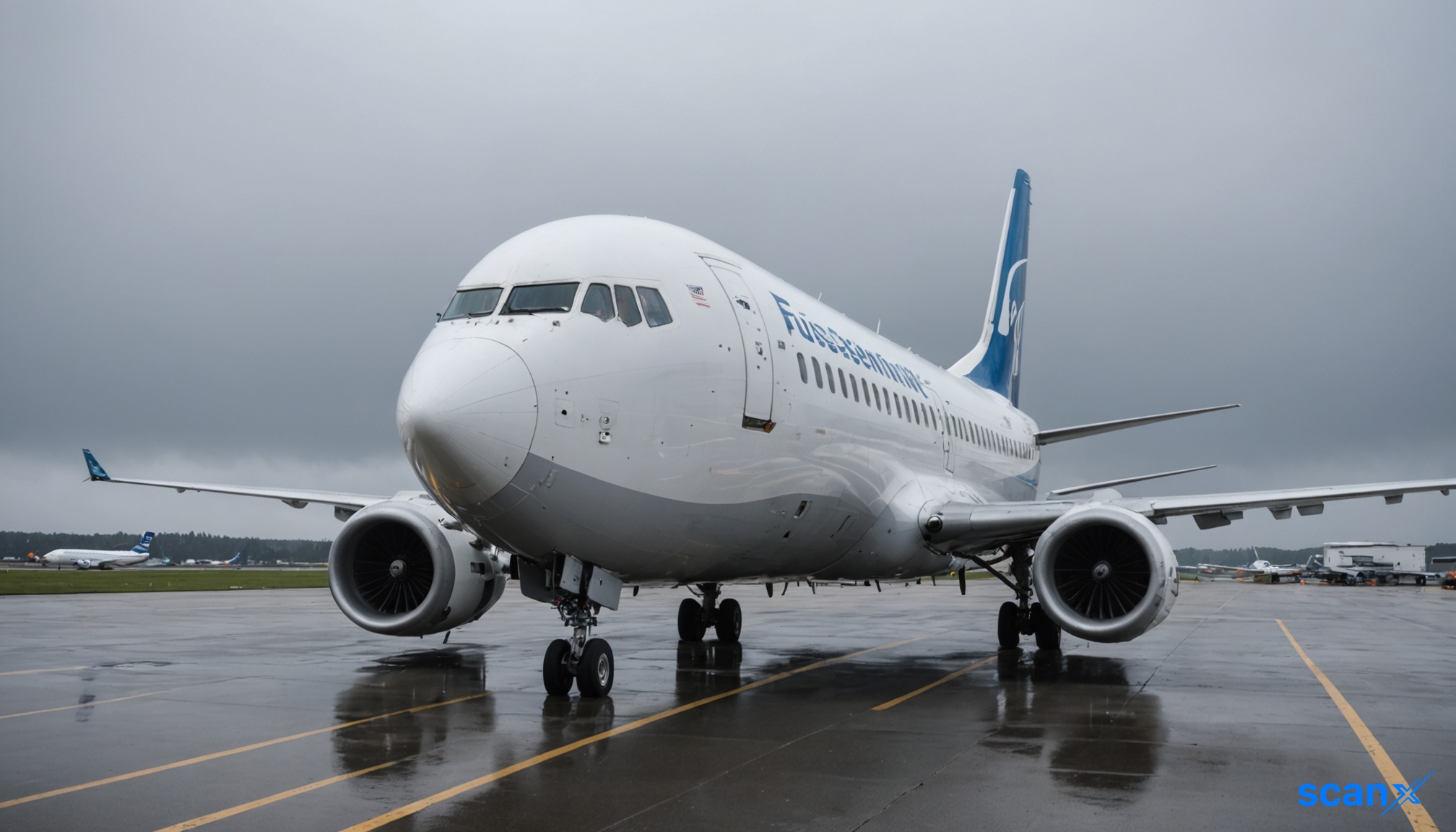
FTAI Aviation (NASDAQ: FTAI) acquired 27 Boeing 737-700 aircraft from WestJet, a transaction combining asset acquisition with strategic supply chain expansion. The deal reinforces FTAI’s position in the mid-life narrowbody market, though shares traded lower by 3.15% at $169.55 on Monday.
Transaction structure
The acquisition was executed through two distinct channels within FTAI’s portfolio. The company’s 2026 Special Purpose Vehicle (SPV), the second investment vehicle of its Strategic Capital business, acquired 17 Boeing 737-700 aircraft currently on lease to WestJet via a sale-leaseback arrangement. Separately, FTAI directly acquired 10 off-lease Boeing 737-700 aircraft to support its Aerospace Products division.
| Asset Type |
Quantity |
Primary Use |
Transaction Method |
| On-lease aircraft |
17 |
Strategic Capital portfolio |
Sale-leaseback |
| Off-lease aircraft |
10 |
Aerospace Products (engines) |
Direct acquisition |
Strategic capital context
The 2026 SPV was formed specifically to acquire on-lease, mid-life 737NG and A320ceo aircraft. It follows the inaugural 2025 SPV, which raised $2.0 billion of equity commitments and has committed approximately $6.0 billion of total capital across more than 300 aircraft. This latest transaction highlights FTAI’s differentiated approach as a buyer of mid-life narrowbody aircraft, combining ownership through its Strategic Capital vehicles with its engine maintenance capabilities.
Supply chain implications
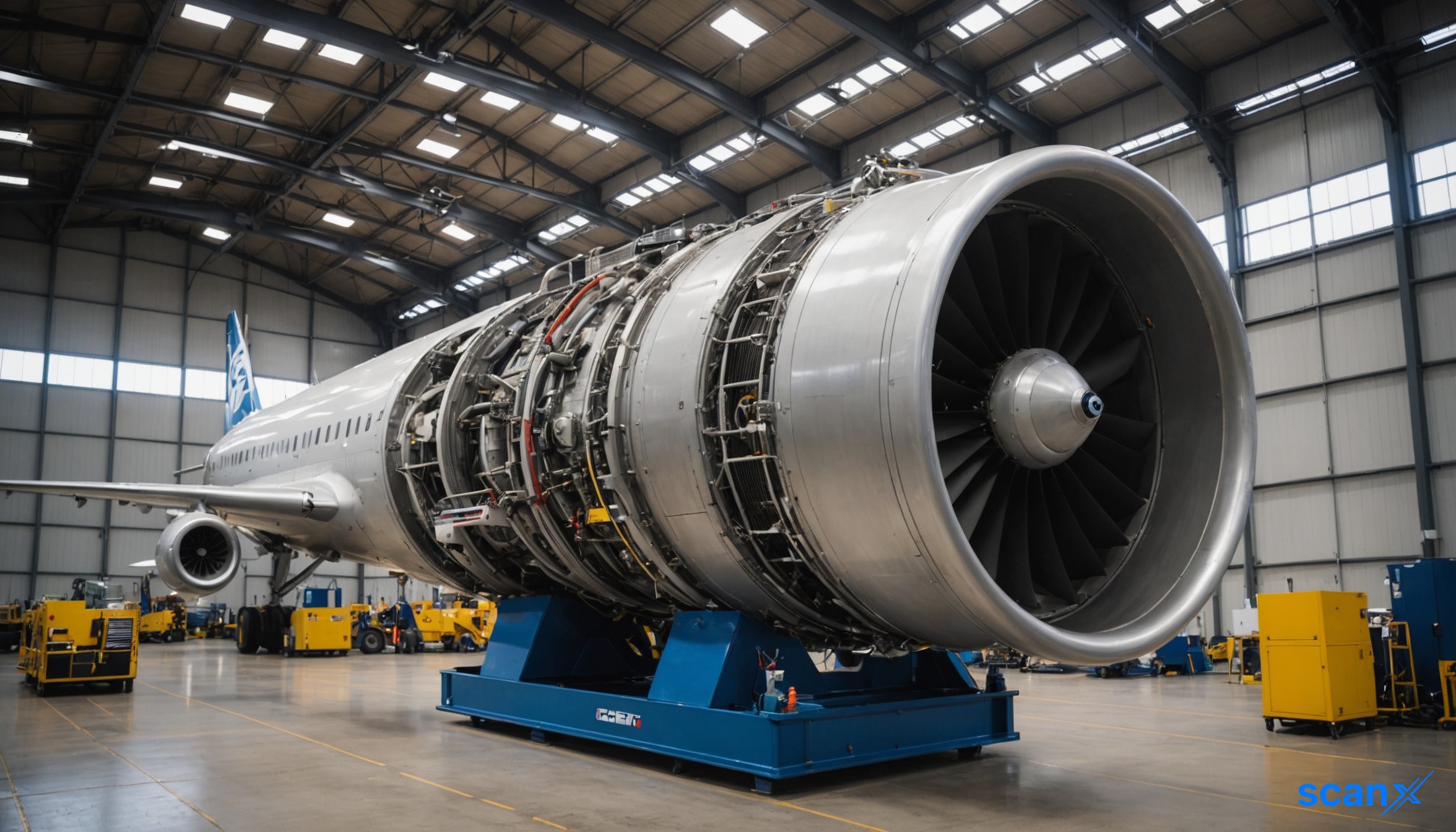
The 10 off-lease aircraft are designated to support FTAI’s Aerospace Products business. By acquiring these airframes, the company expands its inventory of CFM56-7B engines and modules available to its Maintenance, Repair and Exchange customers. This move integrates the physical asset base directly into the aftermarket service pipeline.
Recent partnerships and maintenance capacity
Last week, FTAI expanded its engine maintenance partnership with PT Garuda Maintenance Facility Aero Asia Tbk (GMF), securing guaranteed maintenance capacity for five years across Asia-Pacific. The companies plan to expand into module and component repairs, helping extend CFM56 engine life, and eventually support CFM LEAP engines. This partnership complements the recent acquisition by ensuring robust aftermarket support for the growing engine inventory.
Stakeholder perspectives
David Moreno, President at FTAI, stated that the deal demonstrates how the Strategic Capital and Aerospace Products businesses work together to offer airlines comprehensive fleet solutions. He noted that retiring aircraft will add CFM56-7B engines and modules to the exchange pool to support customers’ maintenance requirements.
Mike Scott, WestJet Group Executive Vice-President and Chief Financial Officer, described the 27-aircraft transaction as a strategic milestone that officially marks the start of WestJet’s retirement of its 737-700 fleet. McGuireWoods served as counsel to FTAI and BD&P served as counsel to WestJet in connection with the transaction.
Market performance and analyst outlook
FTAI Aviation shares were down 3.15% at $169.55 at publication on Monday. The stock carries a Buy rating with a consensus price forecast of $238. Recent analyst actions include:
- Barclays: Overweight (Lowers target to $310 on Sept. 16)
- Morgan Stanley: Overweight (Raises target to $360 on Aug. 21)
- BTIG: Buy (Lowers target to $350 on Aug. 4)
Looking further out, the next major catalyst for the stock arrives with the Oct. 26 (estimated) earnings report. Analysts estimate EPS of $1.35 (up from $1.10 year-over-year) and revenue of $1.01 billion (up from $0.67 billion year-over-year). The stock trades at a P/E of 38.2x, indicating a premium valuation relative to peers.
ETF exposure and passive flow risk
FTAI carries meaningful weight in specific ETFs, meaning significant inflows or outflows for these funds will likely trigger automatic buying or selling of the stock:
- Sofi Next 500 ETF (NYSE: SFY): 2.11% Weight
- Virtus Silvant Small/Mid Growth ETF (NYSE: SSMG): 2.19% Weight
What the numbers show
The allocation of the 27 aircraft reveals a dual-pronged strategy: 63% of the acquired fleet (17 units) is deployed into financial leasing vehicles to generate yield, while 37% (10 units) is diverted to feed the industrial supply chain for engine parts. This ratio suggests FTAI is balancing immediate capital deployment in its SPVs with long-term inventory security for its maintenance operations, leveraging the same asset class to serve two distinct revenue streams.














 Access 50+ Readymade Screeners
  Use 200+ Custom Filters
  Get Full Market Insights





