FTAI Aviation $1,000 Investment Worth $21,571 After 10 Years

scanx
Reviewed by
Suketu GScanX News Team
Key Highlights

FTAI Aviation shares have appreciated significantly over the last decade, delivering a 35.69% annualized return. A $1,000 investment from ten years ago is now worth $21,571.27, driven by a share price of $210.91. The company’s market capitalization stands at $21.64 billion, reflecting its sustained outperformance against the broader market by 22.31% annually.

powered bylight_fuzz_icon
48719126

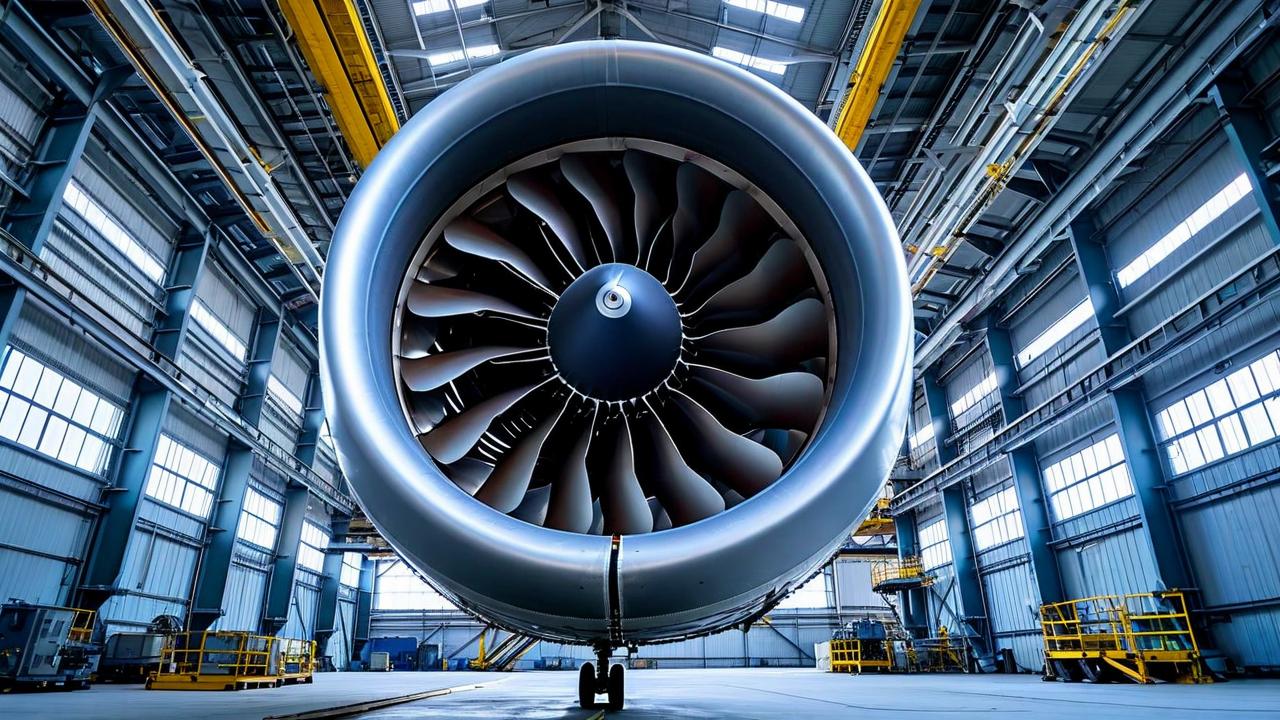
*this image is generated using AI for illustrative purposes only.

FTAI Aviation (NASDAQ: FTAI) has delivered substantial long-term value to shareholders, recording an average annual return of 35.69% over the past ten years. This performance outpaced the broader market by 22.31% on an annualized basis, highlighting the stock’s significant alpha generation during this period.

An investor who purchased $1,000 of FTAI Aviation stock a decade ago would see that position grow to $21,571.27 today. This valuation is based on the company’s share price of $210.91 at the time of writing. The compounding effect of these returns has transformed a modest initial capital deployment into a twenty-one-fold increase in nominal value.

Market Position and Valuation

The strong historical performance has propelled FTAI Aviation to a current market capitalization of $21.64 billion. This valuation reflects the market’s pricing in of the company’s growth trajectory over the last ten years.

Metric Value
Initial Investment: $1,000
Current Value: $21,571.27
Annualized Return: 35.69%
Market Outperformance: 22.31%
Share Price: $210.91
Market Cap: $21.64 billion

What the Numbers Show

The divergence between FTAI Aviation’s 35.69% annualized return and the broader market’s performance illustrates the power of sector-specific growth in aerospace leasing. The data indicates that the majority of the total return is driven by capital appreciation rather than dividend yield, given the magnitude of the price multiplication from the initial investment to the current level. The 22.31% excess return over the market benchmark underscores the stock’s ability to generate outsized gains relative to general equity indices over this specific ten-year window.

Disclaimer: This article is AI-generated using data from ViewTrade. ScanX is not liable for any inaccuracies.

Can FTAI Aviation sustain its historical 35.69% annualized return given the current high market capitalization of $21.64 billion?

How might shifting global aerospace leasing demand impact the company's future capital appreciation trajectory?

What risks could emerge if the sector-specific growth in aerospace leasing slows down compared to the broader market?

like19
dislike

FTAI Aviation closes $2B warehouse facility for 2026 SPV aircraft acquisitions

scanx
Reviewed by
Suketu GScanX News Team
Key Highlights

FTAI Aviation closed a $2 billion warehouse financing facility for its 2026 SPV, bringing total Strategic Capital warehouse financing to $5.5 billion. The deal supports acquisitions of mid-life narrowbody aircraft, leveraging FTAI's maintenance capabilities.

powered bylight_fuzz_icon
48510638

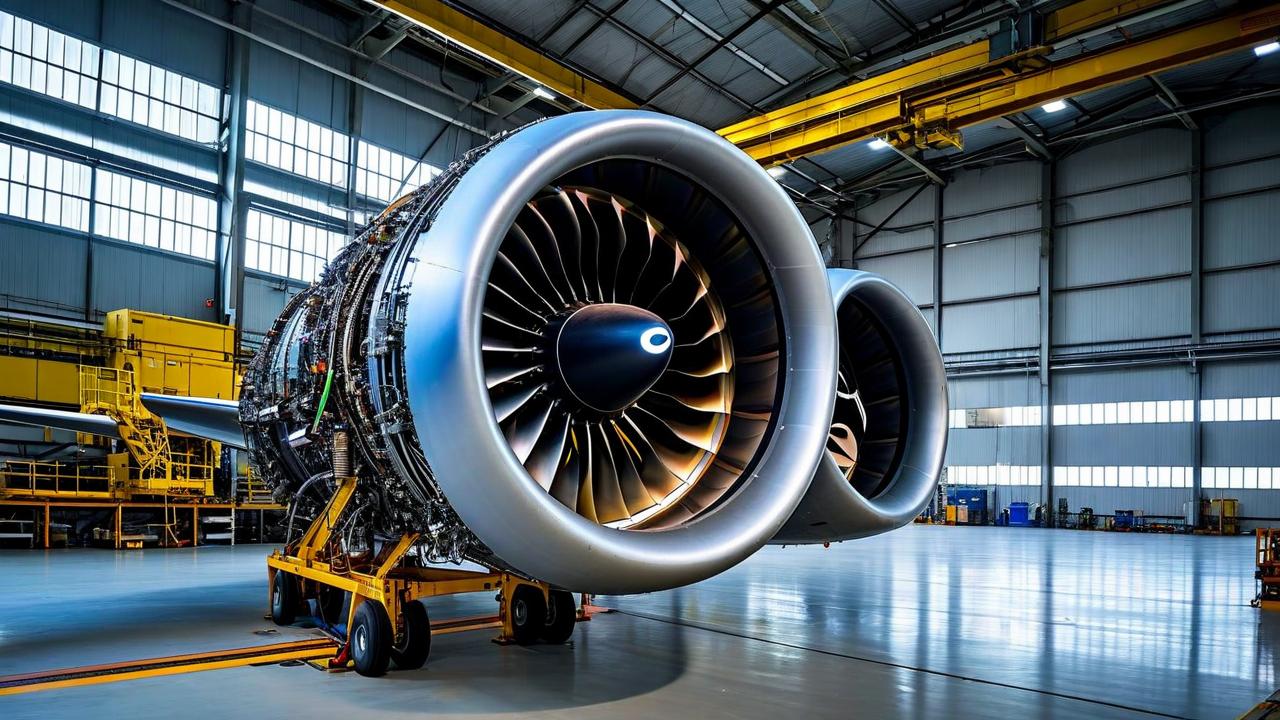
*this image is generated using AI for illustrative purposes only.

FTAI Aviation Ltd. (NASDAQ: FTAI) closed a $2 billion warehouse financing facility on August 14, 2026, to support its 2026 Special Purpose Vehicle (SPV). This marks the second investment vehicle for the company’s Strategic Capital business. The facility was syndicated among 13 financial institutions and includes a $1.0 billion accordion feature, providing for potential total capacity of $3.0 billion. Proceeds from the closing will finance the acquisition of on-lease, mid-life Boeing 737NG and Airbus A320ceo aircraft beginning this month.

The financing structure integrates asset ownership with FTAI’s Maintenance, Repair and Exchange business, which will perform all engine maintenance for the acquired fleet. This model positions the vehicle as a differentiated buyer in the mid-life narrowbody segment.

Strategic Capital Execution

With this closing, FTAI’s Strategic Capital vehicles have raised $5.5 billion of warehouse financing in less than two years. The 2026 SPV follows the deployment of the 2025 SPV, the company’s inaugural Strategic Capital vehicle, which raised $2.0 billion in equity commitments in October 2025.

Kallie Steffes, Head of Strategic Capital at FTAI, noted that the inaugural vehicle has committed approximately $6.0 billion of total capital across over 300 aircraft and is now in its harvest phase. She stated that the lending partners’ support reflects growing confidence in the platform as it carries momentum into the 2026 SPV.

What the Numbers Show

The rapid scaling of FTAI’s Strategic Capital business is evident in the capital deployment timeline. The inaugural 2025 SPV raised $2.0 billion in equity commitments in October 2025. Within less than two years of the business line’s launch, total warehouse financing raised has reached $5.5 billion, indicating strong lender appetite for the structured aircraft acquisition model. Furthermore, the commitment of $6.0 billion across over 300 aircraft for the first vehicle suggests an average capital allocation of approximately $20 million per aircraft, highlighting the standardized nature of the mid-life narrowbody portfolio.

Lender Group

ATLAS SP Partners and Deutsche Bank served as co-structuring agents on the facility. Gibson, Dunn & Crutcher LLP served as counsel to FTAI, while Clifford Chance US LLP served as counsel to the lenders. The lender group comprises:

  • ATLAS SP Partners
  • Deutsche Bank
  • Apple Bank
  • BNP Paribas
  • Citibank
  • Citizens Bank
  • Goldman Sachs
  • MUFG Bank
  • PNC Bank
  • Royal Bank of Canada
  • Standard Chartered
  • Truist Bank
  • U.S. Bank
Disclaimer: This article is AI-generated using data from ViewTrade. ScanX is not liable for any inaccuracies.

How might the integration of FTAI's Maintenance, Repair and Exchange business with asset ownership impact the total cost of ownership for airlines leasing these mid-life narrowbodies?

Given the $1.0 billion accordion feature, what specific market conditions or aircraft availability triggers would likely prompt FTAI to draw on the additional capacity to reach the $3.0 billion total?

As the 2025 SPV enters its harvest phase, how will the exit strategy for the 300+ acquired aircraft influence the capital recycling timeline for the newly launched 2026 SPV?

like19
dislike

More News on FTAI Aviation