

Foseco India Cuts CO2 by 55% in FY25 BRSR


Foseco India Limited filed its Business Responsibility and Sustainability Report (BRSR) for FY25, revealing a 55% reduction in CO2 emissions and a 60% decrease in solid waste generation. The company reported a turnover of ₹60,402 lakhs, zero safety incidents, and 100% compliance with minimum wage payments for its workforce.


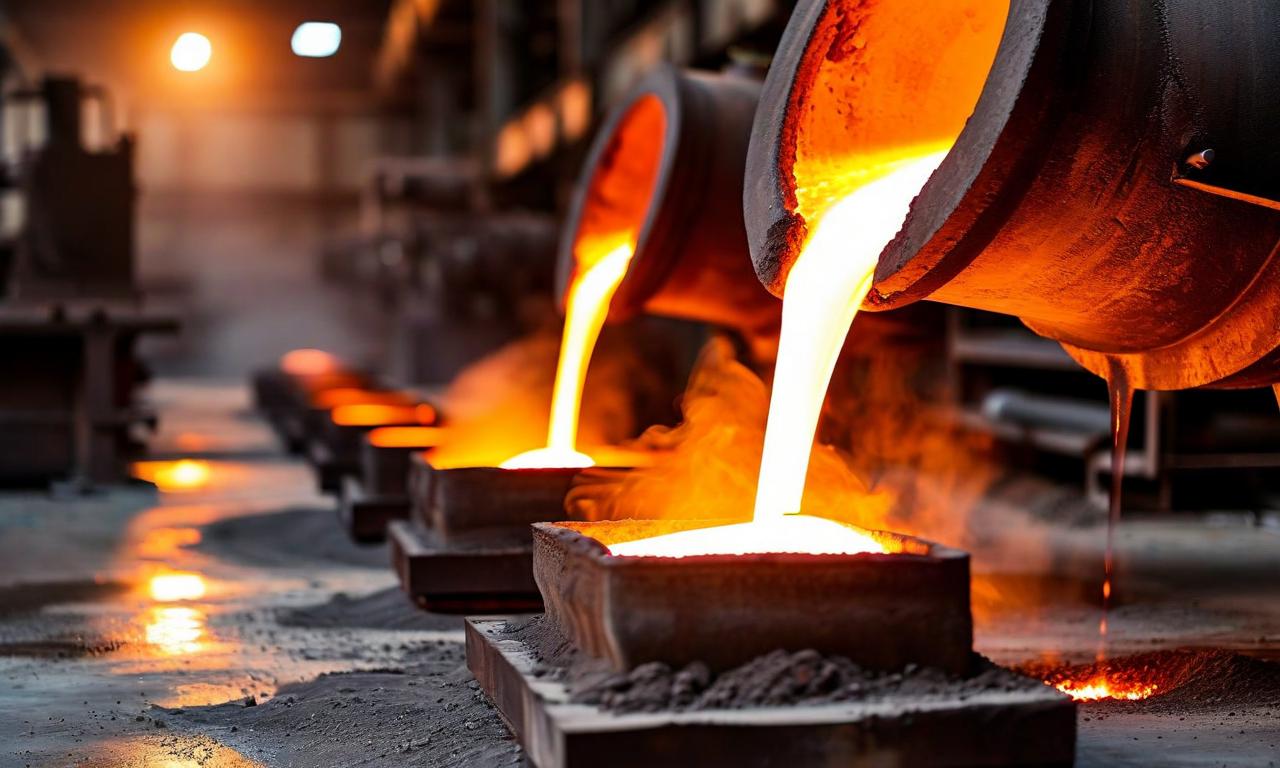
*this image is generated using AI for illustrative purposes only.
Foseco India Limited has submitted its Business Responsibility and Sustainability Report (BRSR) for the financial year ended December 31, 2025, to BSE Limited and the National Stock Exchange of India Limited. The filing, dated May 19, 2026, outlines the company's performance across environmental, social, and governance (ESG) parameters on a standalone basis.
Environmental Performance
The company reported substantial progress in its sustainability initiatives. Foseco India achieved a 55% reduction in overall CO2 emissions against its target of 20% by 2025, using a 2019 baseline. This reduction was driven by internal solar energy generation, green energy certification, and Scope 1 emissions reduction projects. Additionally, the company reduced solid waste generation by 60% over the 2019 baseline in 2025. The use of recycled raw materials constituted 11.89% of total raw materials consumed, exceeding the target of 7%.
Energy and Water Consumption
Total energy consumption from renewable sources stood at 2189.48 GJ, while energy from non-renewable sources was 59694 GJ. The energy intensity in terms of physical output was recorded at 1.378 GJ per metric ton of products packed for shipment. Regarding water usage, the total volume of water withdrawal was 43516 kilolitres, with a water intensity of 0.96 kilolitres per metric ton of products packed. The company maintained a Zero Liquid Discharge mechanism, utilizing wastewater treatment plants and reverse osmosis systems to maximize water recovery.
Social and Governance Metrics
Foseco India maintained a strong safety record during the financial year, reporting zero Lost Time Injuries (LTIFR), zero fatalities, and zero high-consequence work-related injuries. The company conducted safety audits and implemented various measures, including the installation of Retrofit Emission Control Devices (RECD) for DG sets and the introduction of battery-operated forklifts.
Employee Statistics
As of the end of the financial year, the company had 140 permanent employees and 236 workers. The workforce included 10 female permanent employees and no female workers. The company reported that 100% of permanent employees and workers were paid minimum wages. There were no reported cases of sexual harassment, discrimination, or child labor during the year.
Financial and Operational Highlights
The BRSR disclosure included key financial figures for the year ended December 31, 2025. The company reported a turnover of ₹60,402 lakhs and a net worth of ₹1,03,930 lakhs. Foseco India catered to markets across 21 states in India and 12 countries internationally, with exports contributing 3.28% to the total turnover. The company’s operations are primarily focused on the manufacturing of foundry chemicals and fluxes, which accounted for 100% of its turnover.
| Financial Metric | Value (FY25) |
|---|---|
| Turnover | ₹60,402 lakhs |
| Net Worth | ₹1,03,930 lakhs |
| Paid-up Capital | ₹753.73 lakhs |
| Export Contribution | 3.28% |
Historical Stock Returns for Foseco
| 1 Day | 5 Days | 1 Month | 6 Months | 1 Year | 5 Years |
|---|---|---|---|---|---|
| -1.24% | -2.63% | +0.32% | +37.17% | +19.12% | +334.17% |

Given that Foseco India has already surpassed its 2025 CO2 reduction target of 20% by achieving 55%, what more ambitious sustainability targets is the company likely to set for the next five-year cycle?
With exports currently contributing only 3.28% of turnover across 12 countries, what strategic initiatives could Foseco India pursue to significantly expand its international market presence?
How might Foseco India's near-zero female workforce representation among permanent workers impact its ESG ratings and investor sentiment in an increasingly diversity-focused investment landscape?








 Create Custom Screeners
  Access 200+ Pre-built Filters
  Use 50+ Readymade Screener





