

Fermenta Biotech signs exclusive licence with VIT for Vitamin B12 tech


- Exclusive licence covers natural in-situ Vitamin B12 fortification for fermented foods
- Technology developed by VIT Vellore under Indian Patent Application No. 202441015300
- Lab studies show approximately 80% retention of Vitamin B12 levels after cooking
- Deal aims to address deficiencies in vegetarian populations via curd, idli, and breads
- Next steps include regulatory evaluation and commercial solution development

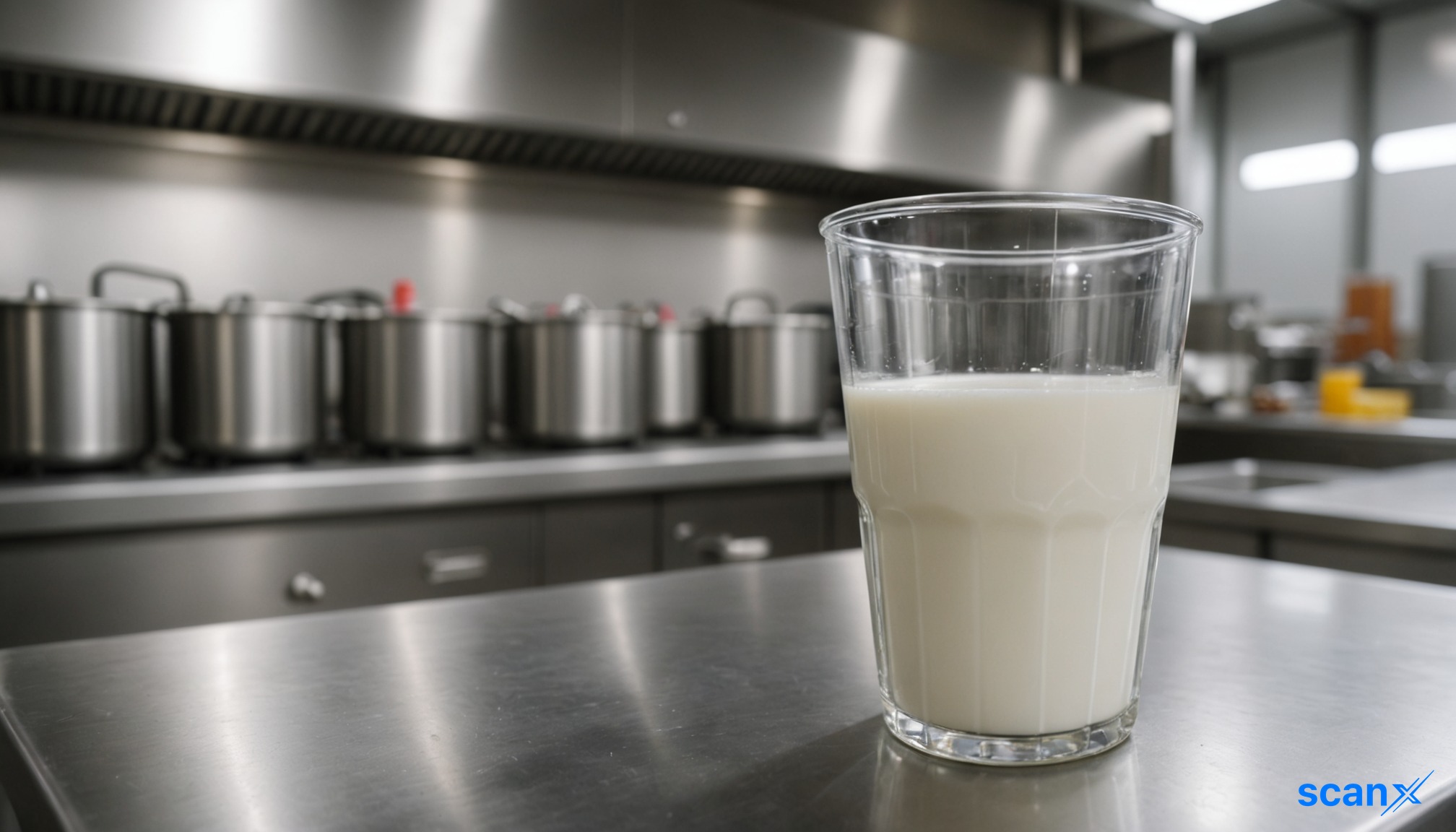

*this image is generated using AI for illustrative purposes only.
Fermenta Biotech has signed an exclusive licence agreement with Vellore Institute of Technology (VIT) for the commercialisation of natural in-situ Vitamin B12 fortification technology. The deal, announced on September 8, 2026, targets widely consumed fermented foods such as curd, idli/dosa batters, appam, and breads.
The agreement leverages research from the Centre for BioSeparation Technology at VIT, developed by Dr. Krishnan Venkataraman and his team. The technology is covered under Indian Patent Application No. 202441015300. It enables Vitamin B12 enrichment during the natural fermentation process rather than adding the vitamin to finished products.
Technology Details
The process uses selected nutrients and cofactors to enhance Vitamin B12 formation within the food matrix. It integrates with existing fermentation methods without requiring substantial alterations to conventional production. Laboratory studies demonstrated approximately 80% retention of enhanced Vitamin B12 levels following cooking. This indicates potential applicability across both fermented and subsequently cooked foods.
Prashant Nagre, Managing Director of Fermenta Biotech, stated that the collaboration combines scientific depth with industrial capability. He noted that the technology extends Fermenta’s food fortification capabilities beyond customised vitamin and mineral premixes. The focus now shifts to advancing the technology towards practical, market-ready applications.
G. Viswanathan, Chancellor of VIT, described the move as a step towards transforming academic learning into solutions for real-world healthcare challenges. He expressed confidence that the partnership would contribute to India’s capabilities in nutritional science and help fight micronutrient deficiency.
What the Numbers Show
The disclosed 80% retention rate post-cooking is a critical operational metric for this technology. Most conventional fortification methods face significant nutrient degradation during thermal processing. Maintaining high retention levels suggests the in-situ method offers a durability advantage, potentially reducing the initial dosage required to meet nutritional standards compared to standard additive approaches.
Next Steps
The next phase involves application development, nutritional validation, and assessment of final Vitamin B12 concentrations. Fermenta will also conduct regulatory evaluation and develop commercially viable solutions. The commercial potential extends across FMCG, food and nutrition, nutraceutical, and broader health-related applications.
This update does not constitute an event falling within the scope of Regulation 30 of the SEBI (Listing Obligations and Disclosure Requirements) Regulations, 2015.
Historical Stock Returns for Fermenta Biotech
| 1 Day | 5 Days | 1 Month | 6 Months | 1 Year | 5 Years |
|---|---|---|---|---|---|
| -4.09% | -6.45% | +7.67% | +62.55% | +62.55% | +62.55% |

How might the scalability of this in-situ fortification technology impact Fermenta Biotech's revenue projections and market share in the Indian FMCG sector over the next 12-18 months?
What are the anticipated regulatory hurdles or approval timelines with FSSAI for commercializing Vitamin B12-fortified fermented foods using this novel biological method?
Could this partnership with VIT serve as a blueprint for Fermenta Biotech to license similar academic IP for other micronutrients, thereby diversifying its product portfolio beyond B12?
 20
20







 Create Custom Screeners
  Access 200+ Pre-built Filters
  Use 50+ Readymade Screener





