

Exicom launches liquid-cooled EV charging modules in India


Exicom Tele-Systems has begun manufacturing advanced liquid-cooled AC and DC power modules at its Hyderabad Smart Manufacturing Facility. Launched on August 19, 2026, this makes Exicom the first company in India to produce this class of liquid-cooled power electronics for global markets. The modules leverage technology from subsidiary Tritium and initially target North American and European markets before expanding domestically.


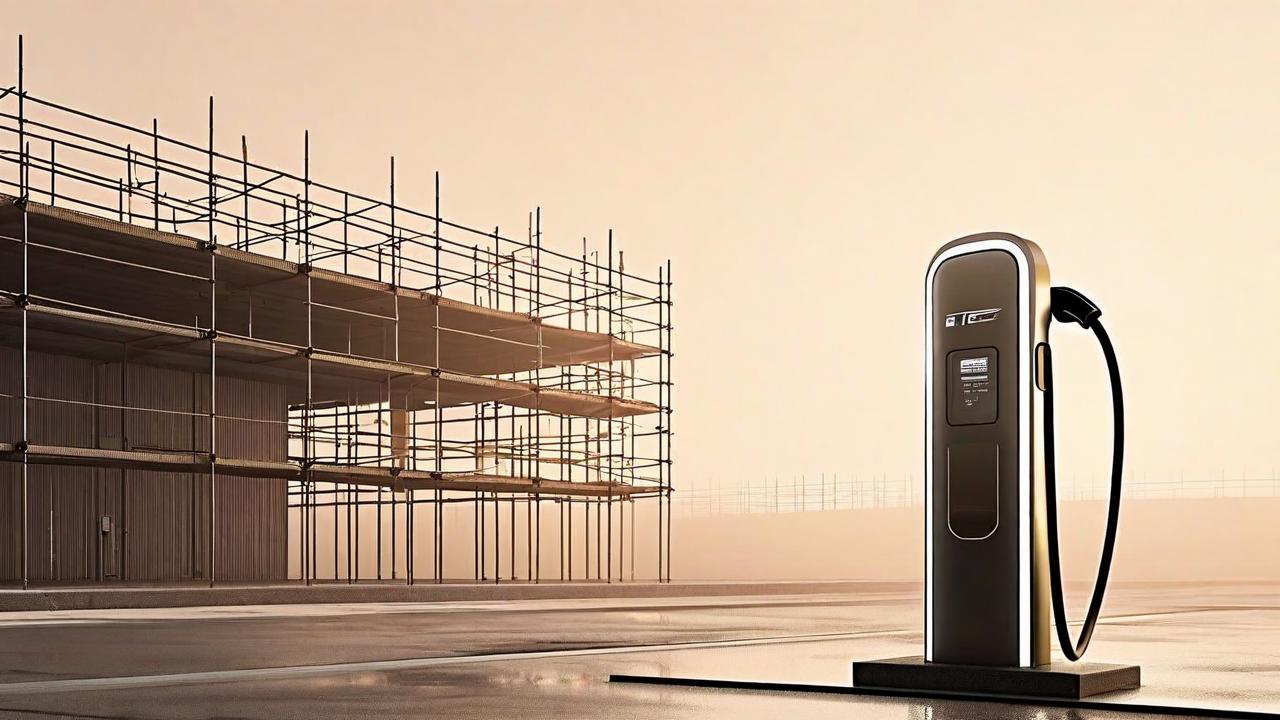
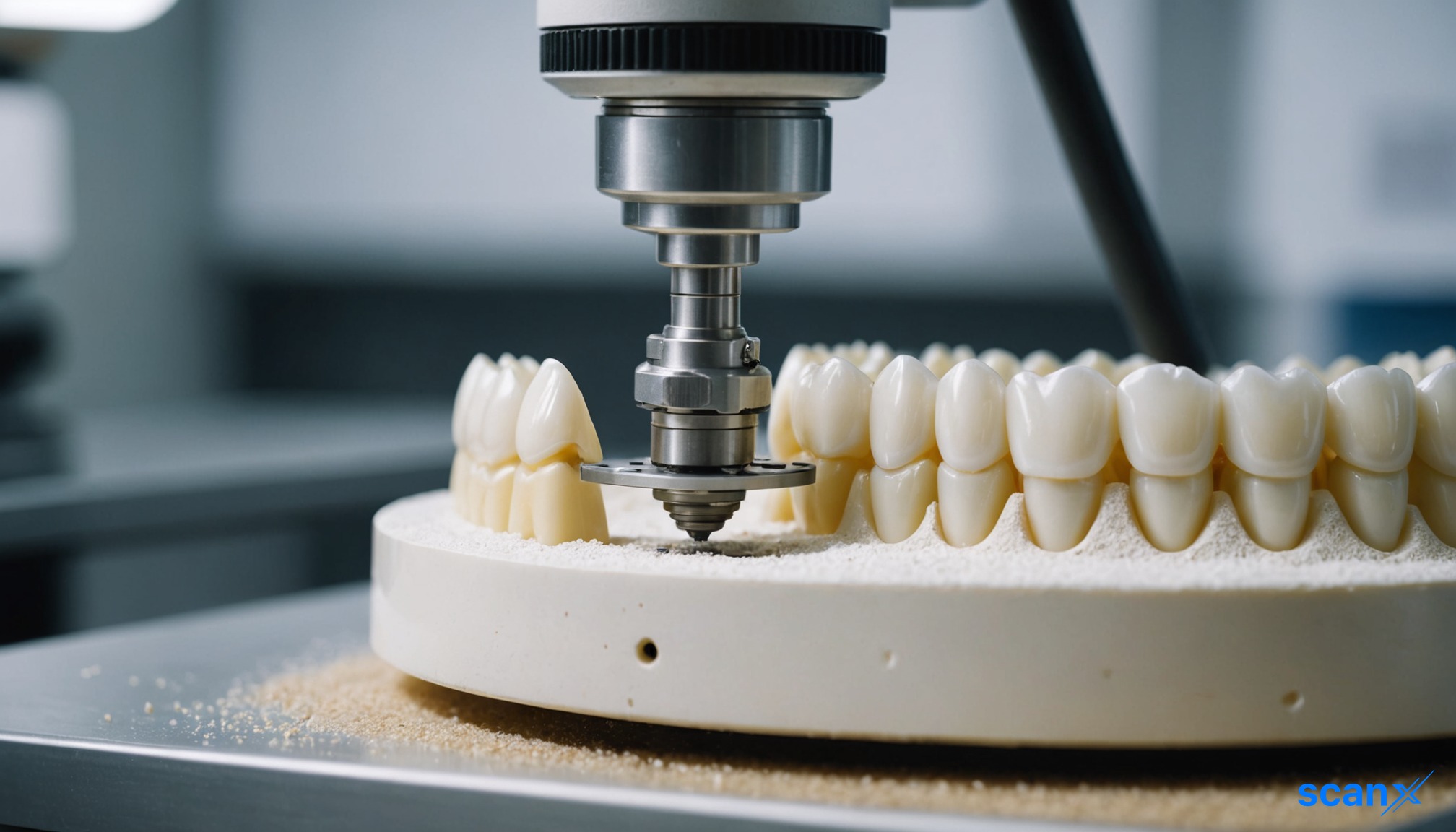
*this image is generated using AI for illustrative purposes only.
Exicom Tele-Systems has launched liquid-cooled AC and DC power modules for electric vehicle chargers in India, marking a significant expansion of its manufacturing capabilities. Announced on August 19, 2026, the launch positions the company as the first manufacturer in India to produce this class of liquid-cooled power electronics for global markets. The development strengthens Exicom's position as a design-led manufacturer and expands its high-value export portfolio.
First in India to manufacture liquid-cooled modules
The launch leverages technology from Tritium, the global DC fast charging company acquired by Exicom in 2024. Liquid cooling technology addresses thermal stress, which reliability studies attribute to nearly 60% of power electronics failures. The technology can maintain internal temperatures roughly 10°C lower than air-cooled systems, addressing the issue where component failure rates double for every 10°-15°C rise in temperature.
These modules feature a fully sealed design that protects against dust, moisture, and salt air, extending charger life in harsh field conditions. They pack more power into a compact footprint and are designed to run continuously at high loads with lower lifetime operating costs.
| Feature | Detail |
|---|---|
| Technology | Liquid-cooled AC and DC power modules |
| Distinction | First manufacturer in India |
| Facility | Hyderabad Smart Manufacturing Facility |
| Initial Markets | North America and Europe |
Export strategy and domestic deployment
Initial production will primarily serve North America and Europe, supporting Tritium's DC charger portfolio including TRI-FLEX™ ultra-fast DC chargers and DC-FLEX™ charging systems. Subsequent phases aim to bring this technology to domestic customers, including Charge Point Operators, Fleets, and OEMs. Over time, the liquid-cooled architecture will be integrated into Exicom's flagship Harmony DC chargers.
Anant Nahata, CEO and Managing Director, Exicom, stated that local manufacturing allows the company to engineer, improve, and adapt the technology faster for customers in India and globally. He noted that liquid cooling has become the global architecture of choice for high-power charging as chargers run more hours per day and face higher ambient temperatures.
Manufacturing capabilities
The Hyderabad facility is designed with advanced automation, digital traceability, and specialized testing capabilities. This infrastructure supports the precision required for manufacturing liquid-cooled modules for both domestic and international markets. The move deepens Exicom's integration with Tritium, creating synergies between technology and manufacturing to build advanced EV charging technology in India.
Historical Stock Returns for Exicom Tele-Systems
| 1 Day | 5 Days | 1 Month | 6 Months | 1 Year | 5 Years |
|---|---|---|---|---|---|
| -3.43% | -10.53% | -18.35% | +20.01% | -5.61% | -38.27% |

How will Exicom's new liquid-cooled modules impact the pricing competitiveness of Indian-made EV chargers in the North American and European markets?
What is the projected timeline for integrating this liquid-cooled architecture into Exicom's domestic Harmony DC charger lineup for Indian customers?
Could Exicom's success in manufacturing high-value power electronics signal a broader shift of EV supply chain components from China to India?
 18
18








 Access 50+ Readymade Screeners
  Use 200+ Custom Filters
  Get Full Market Insights





