

Ericsson Q3FY26 results: Revenue up 6%, EPS beats estimates by 29%


- Revenue rose 4.37% YoY to $6.168 billion, beating consensus estimates by 6.53%
- EPS of $0.18 exceeded analyst forecasts by 28.57%, though down 48.57% YoY
- Shares surged 10.9% in pre-market trading following the upbeat earnings report
- Completed first pre-standard 6G field call with Verizon in Concord, California
- Analyst consensus remains Hold with an average price target of $9.60

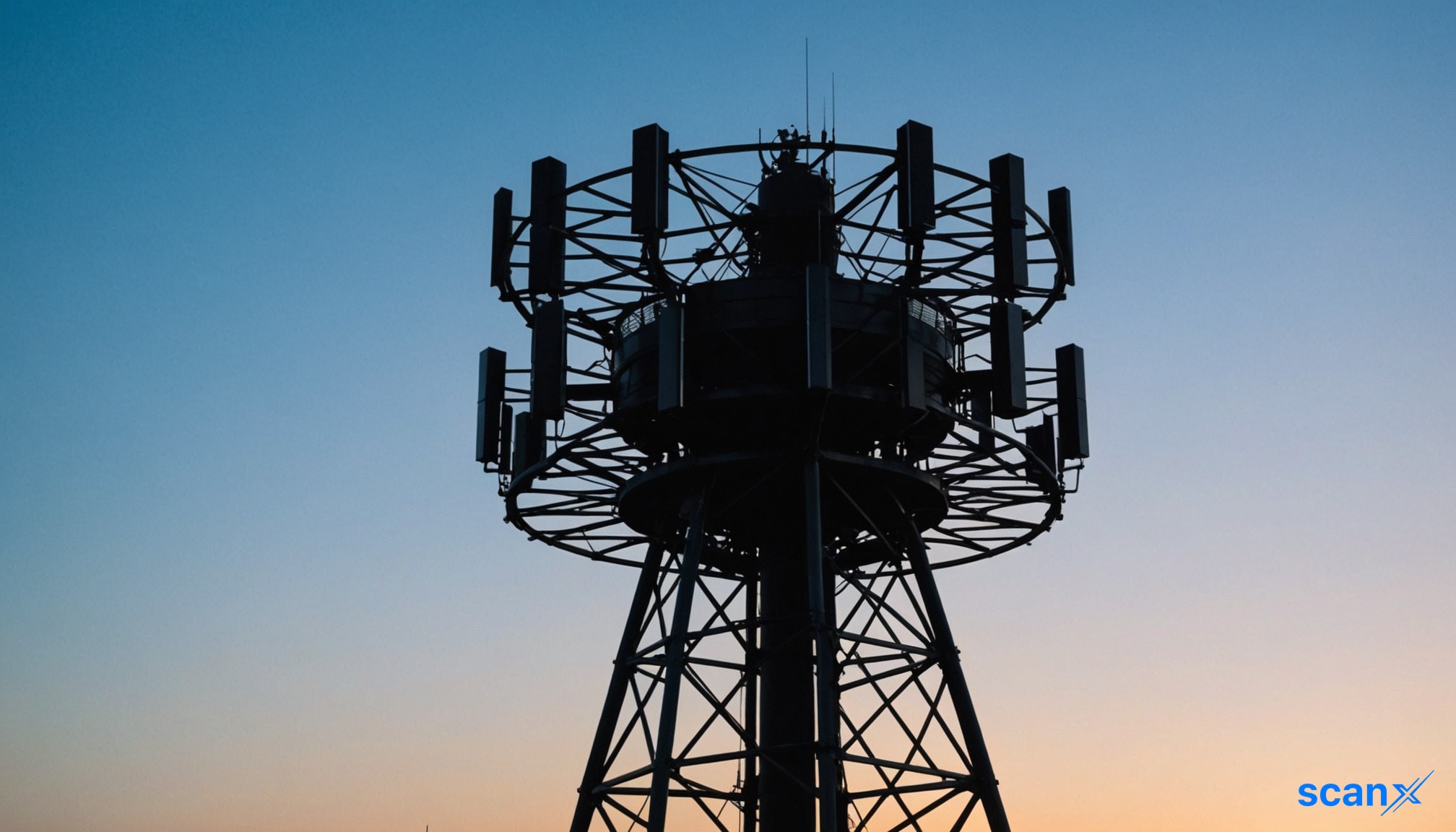

*this image is generated using AI for illustrative purposes only.
Telefonaktiebolaget L M Ericsson shares jumped 10.9% to $10.62 in pre-market trading after the company posted upbeat third-quarter results that surpassed analyst expectations.
The telecommunications infrastructure provider logged quarterly sales of $6.168 billion, which exceeded the consensus estimate of $5.790 billion by 6.53%. This marks a 4.37% increase compared to sales of $5.910 billion recorded in the same period last year. During the earnings call, management clarified that on an organic basis, sales grew 7% year over year, driven by solid customer demand and effective commercial execution. CFO Lars Sandström noted that sales increased across all regions except the Americas, with Japan, India, Vietnam and the Middle East leading growth.
Quarterly earnings per share (EPS) came in at $0.18, surpassing the analyst consensus estimate of $0.14 by 28.57%. While top-line growth remained positive, earnings per share contracted sharply from the previous year's comparable quarter. The company reported EPS of $0.35 in the same period last year, indicating a 48.57% decrease in per-share profit year-over-year. However, the adjusted EBITDA margin came in at 17%, up from the prior year, demonstrating operating leverage despite higher component costs. Adjusted EBITA reached SEK 10.1 billion, beating analysts’ expectations of SEK 7.93 billion.
| Metric | Q3 Current | Q3 Last Year | Change | Estimate | Beat/Miss |
|---|---|---|---|---|---|
| EPS | $0.18 | $0.35 | -48.57% | $0.14 | +28.57% |
| Sales | $6.168 billion | $5.910 billion | +4.37% | $5.790 billion | +6.53% |
| Organic Sales Growth | 7% | N/A | N/A | N/A | N/A |
| EBITA Margin | 17% | N/A | N/A | N/A | N/A |
Segment Performance and Strategic Initiatives
The Networks segment saw sales increase by 9% year over year to SEK 48.7 billion, with organic growth in all market areas except Americas. Adjusted EBITDA for Networks rose to SEK 9.0 billion from SEK 7.2 billion last year, driven by higher sales and retroactive IPR licensing revenues. Cloud Software and Services sales grew 3% to SEK 15.8 billion, while Enterprise sales declined 10% due to the divestment of iconectiv, though organic Enterprise sales grew 1%.
Management announced strategic organizational changes effective January, including the creation of a new Market Area Asia Pacific and the restructuring of Enterprise Wireless Solutions into the Networks segment. These moves aim to capture R&D synergies, accelerate growth in indoor connectivity, and create a leaner executive team. CEO Per Narvinger stated that these changes should strengthen Ericsson’s position in Asia and help mobile operators compete with satellite internet provider Starlink.
6G Milestone and Analyst Sentiment
Separately, Ericsson and Verizon Communications Inc. completed the first pre-standard 6G field call in the 7 GHz band at a Verizon commercial network site in Concord, California. This milestone moves Ericsson’s 6G proof-of-concept technology from laboratory testing into a live network environment. The setup uses a pre-standard 6G system with a 400 MHz carrier to evaluate performance in real-world conditions, assessing coverage, throughput, latency, and connection stability across outdoor and indoor environments.
Despite the strong quarter, the stock carries a Hold rating with an average price forecast of $9.60. Recent analyst actions include JP Morgan lowering its target to $10.20 on Oct. 8, and Morgan Stanley downgrading the stock to Underweight with a target of $9 on Sept. 22. Momentum indicators remain weak (score: 25.33), suggesting the longer trend has not fully turned despite the recent pop, while Quality (80.82) and Growth (81.98) scores remain strong.
Outlook, Cost Pressures and AI Impact
Despite the strong quarter, management reiterated a cautious outlook for Q4 and 2027 due to geopolitical uncertainties and rising component costs. The RAN market is described as broadly flat, with increasing input costs posing a challenge. Narvinger warned that the AI boom is driving up equipment costs, which Ericsson cannot absorb indefinitely without hurting profitability. Consequently, the company is raising prices in new tenders and negotiating increases with existing customers, although long-term contracts may delay these adjustments.
Free cash flow before M&A was SEK 4.9 billion, impacted by inventory build-up ahead of Q4 deliveries. Operating expenses, excluding restructuring charges, fell by about SEK 700 million to SEK 18.4 billion. Ericsson continues to prioritize custom-designed chips for telecommunications networks as artificial intelligence reshapes the industry. Its AI-Native Link Adaptation technology improves spectrum efficiency by 10% and is deployed across more than 60,000 base stations.
What the Numbers Show
A divergence exists between revenue growth and bottom-line performance. While sales expanded by 4.37% YoY (and 7% organically), EPS fell by nearly half (48.57%) over the same period. This suggests that despite higher revenue, costs or other factors significantly impacted net income per share. The substantial beat on both EPS and sales relative to analyst estimates indicates that market expectations had been adjusted downward prior to the release. Furthermore, the stable gross margin of 47.7% alongside rising component costs highlights the effectiveness of current tactical mitigations, though structural pricing actions are required to sustain margins in 2027. The U.S. business continues to benefit from its five-year, $14 billion network modernization agreement with AT&T Inc., providing a counterweight to broader market pressures.

How will Ericsson's planned price increases in new tenders impact its competitive position against rivals like Nokia and Huawei in the flat RAN market?
To what extent can the newly restructured Market Area Asia Pacific capitalize on growth in Japan, India, and Vietnam to offset persistent weakness in the Americas?
What specific timeline and commercialization milestones are expected for 6G following the Verizon field trial, and how might this influence long-term capital expenditure cycles?











 Access 50+ Readymade Screeners
  Use 200+ Custom Filters
  Get Full Market Insights





