

Epigral net profit rises 25% to ₹99 crore in Q1FY27


Epigral Limited delivered robust Q1FY27 results with net profit rising 25% to ₹99 crore and revenue up 15% to ₹709 crore. The company maintained a 25% EBITDA margin despite geopolitical headwinds. Management highlighted strategic expansions including a ₹600 crore investment in epoxy resin and multipurpose plants, aiming to enhance backward integration and capture growing domestic demand in specialty chemicals.



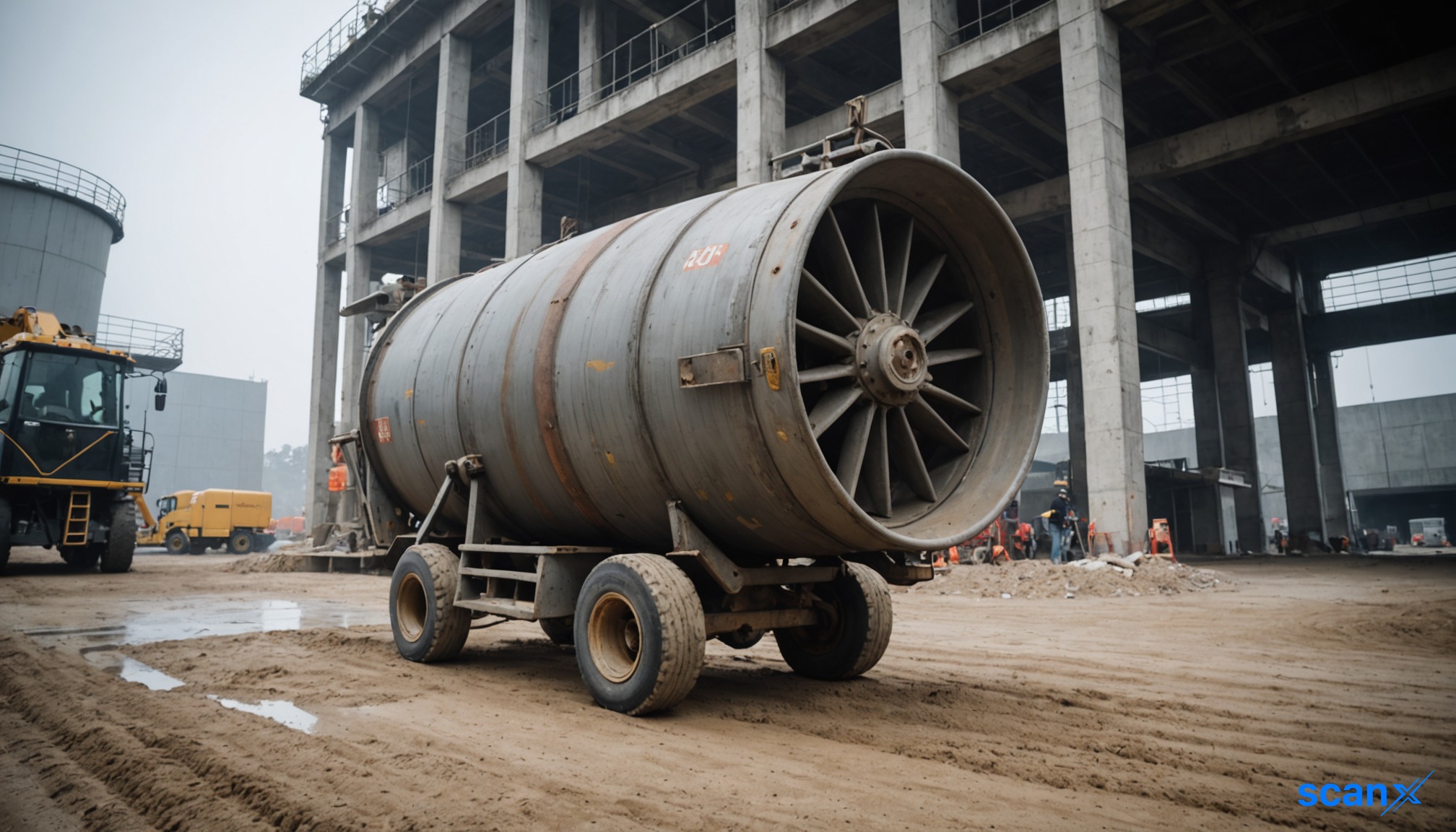
*this image is generated using AI for illustrative purposes only.
Epigral Limited reported a 25% year-on-year increase in net profit after tax (PAT) to ₹99 crore for the quarter ended June 30, 2026, driven by a 15% rise in revenue from operations to ₹709 crore. The growth was supported by a 5% increase in sales volume and improved realizations, allowing the company to maintain an EBITDA margin of 25%. This performance underscores the resilience of India’s specialty chemicals sector amid macroeconomic volatility, including geopolitical tensions affecting raw material prices.
The financial filing was submitted pursuant to Regulation 30 of the SEBI (Listing Obligations and Disclosure Requirements) Regulations, 2015. Gaurang Trivedi, Company Secretary & Compliance Officer of Epigral Limited, signed the press release on July 27, 2026. The un-audited results are available on the company’s website under the Investor Relations section.
Financial Performance Metrics
| Metric | Q1FY27 | Q1FY26 | Change |
|---|---|---|---|
| Revenue | ₹709 Cr | ₹615 Cr | +15% |
| PAT | ₹99 Cr | ₹79 Cr | +25% |
| EBITDA | ₹179 Cr | ₹163 Cr | +10% |
| EBITDA Margin | 25% | — | — |
| PAT Margin | 14% | — | — |
| ROCE | 16% | 24% | -8 pts |
| Net Debt/EBITDA | 0.8x | — | — |
Maulik Patel, Chairman and Managing Director, attributed the growth to Epigral’s diversified product mix, which helped mitigate headwinds such as fluctuating raw material costs and shipment delays. Despite these challenges, operating conditions have stabilized, with overall plant utilization standing above 80%. The return on capital employed (ROCE) declined to 16% from 24% in the prior year quarter, primarily due to lower earnings before interest and tax (EBIT) in the trailing twelve months and significant capital work in progress. Net Debt/EBITDA stood at 0.8x as on June 30, 2026.
Strategic Expansion and Capex
The Board approved a strategic expansion involving an estimated capex of ₹600 crore. This investment will fund two key projects:
- Epoxy Resin & Formulations Plant: A new facility with a production capacity of 1,25,000 TPA. This move represents forward integration into advanced materials, catering to sectors such as renewable energy, automotive, electronics, and infrastructure.
- Multi-Purpose Plant (MPP): Designed to manufacture downstream products of the Epichlorohydrin (ECH) and Chlorotoluenes value chains, addressing domestic demand for pharmaceutical and agrochemical intermediates.
Both projects are expected to be commissioned in H2FY28. To validate product quality and optimize processes, Epigral is establishing pilot plant facilities for both units, targeted for operation by Q2FY27. Notably, more than 50% of the raw material value for the Epoxy Resin project will be sourced internally from Epigral’s existing Dahej complex, leveraging its backward integration advantages.
Additionally, capex for enhancing CPVC Resin, ECH, and Wind Solar Hybrid Power Plant capacities is moving as per schedule and is expected to be commissioned within the timeline and budget. The CPVC Resin expansion will add 75,000 TPA, bringing total capacity to 1,50,000 TPA, while the ECH expansion will add 50,000 TPA, reaching 1,00,000 TPA. Both are expected to commission in Q2FY27.
Segment Utilization and Realizations
During the earnings call, management provided granular details on segment performance:
- Capacity Utilization: Caustic soda operated at ~75%, ECH at 70-75%, CPVC at 50-55%, Chloromethanes at 100%, and Hydrogen Peroxide at 85-90%.
- Realizations: Caustic soda (ECU) realizations were ₹35,000–₹36,000 in Q1FY27, down from ₹30,000 in Q4FY26. Current ECU realizations have cooled to ₹31,000–₹32,000. ECH realizations are currently around ₹180–₹185 per kg, having stabilized after wartime peaks.
- CPVC Dynamics: PVC prices rose to ₹84–₹85/kg due to Minimum Import Price (MIP) regulations on carbide-based PVC. However, Epigral uses ethylene-based PVC, which was already priced higher, limiting direct impact. Management expects gradual price pass-through benefits as customers recognize the quality difference between ethylene-based CPVC and carbide-based alternatives.
What the Numbers Show
The divergence between revenue growth and ROCE highlights the impact of ongoing capital intensity on short-term returns. While top-line growth accelerated to 15%, the ROCE compression to 16% reflects the drag from substantial capital work in progress. However, the maintenance of a 25% EBITDA margin amidst geopolitical volatility underscores pricing power and operational leverage. The planned ₹600 crore capex aims to enhance this margin profile further through internal sourcing, where over half of the raw materials for the new Epoxy Resin unit will be produced in-house, reducing external dependency and cost variability. With derivatives and specialty chemicals expected to constitute ~70% of revenue by FY28E, Epigral is strategically transitioning away from traditional chlor-alkali products.
Historical Stock Returns for Epigral
| 1 Day | 5 Days | 1 Month | 6 Months | 1 Year | 5 Years |
|---|---|---|---|---|---|
| -4.17% | -4.01% | -14.96% | -21.74% | -44.73% | +0.95% |

How will the ₹600 crore capex for the Epoxy Resin and MPP projects impact Epigral's debt profile and interest coverage ratios before commissioning in H2FY28?
What specific risks does Epigral face regarding the execution timeline of its pilot plants by Q2FY27, and how might delays affect the projected revenue mix shift to 70% derivatives by FY28?
Given the stabilization of ECH realizations after wartime peaks, what is management's outlook on margin sustainability for the ECH value chain amidst potential normalization of global demand?
 18
18








 Access Market Heat-map & Insights
  Create, Save & Share your Screener
  Use 200+ Screening Filters





