

Eco Recycling cites EU e-waste data to highlight India's urban mining opportunity


- EU collected 12.3 kg of e-waste per person in 2024, while 32.4 kg of new equipment was placed on the market
- India's annual e-waste generation is estimated at 6.19 million metric tonnes by NITI Aayog
- Eco Recycling highlights the gap between equipment consumption and formal collection as a key challenge
- The company advocates for economically viable collection networks and traceability in recycling

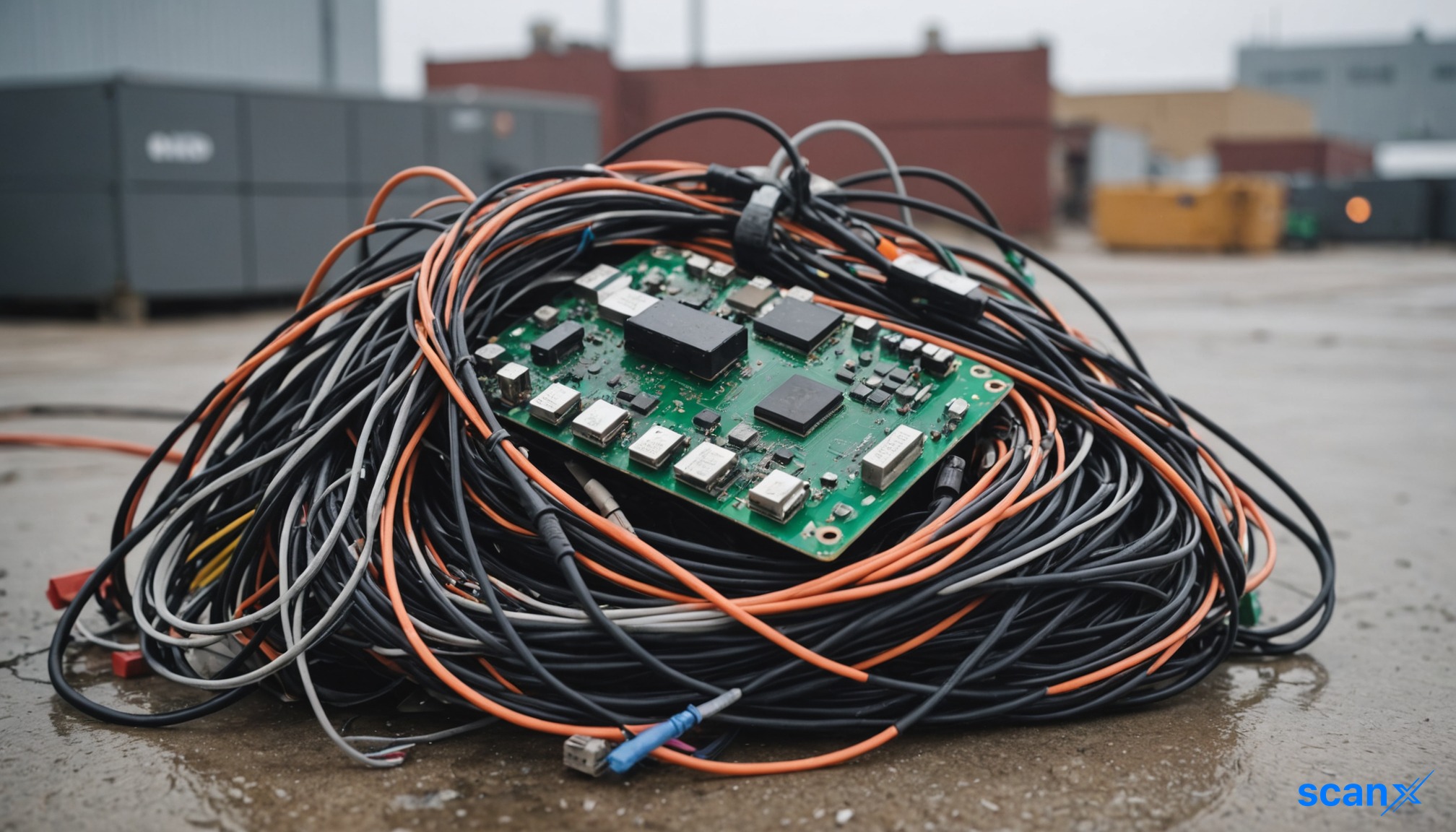

*this image is generated using AI for illustrative purposes only.
Eco Recycling Limited stated that recent European Union data on electronic waste underscores the critical need for efficient collection and resource-recovery systems in India.
According to Eurostat, the EU collected an average of 12.3 kg of e-waste per person in 2024. During the same year, 32.4 kg of new electrical and electronic equipment per person was placed on the market in the region. This data illustrates the significant gap between equipment consumption and responsible disposal.
Comparative E-Waste Metrics
The following table compares reported e-waste generation and equipment placement figures provided in the release:
| Metric | Region | Value (kg per person) | Year |
|---|---|---|---|
| E-waste collected | European Union | 12.3 | 2024 |
| New equipment placed | European Union | 32.4 | 2024 |
| Annual e-waste generation | India | 6.19 million tonnes | N/A |
| Per-capita e-waste | India | 4.3–4.5 | N/A |
Note: India's annual e-waste generation is estimated by NITI Aayog. Per-capita figures are indicative.
From Waste Management to Urban Mining
Eco Recycling emphasized that e-waste contains recoverable materials that can support resource conservation and reduce dependence on virgin raw materials. The company views the development of domestic secondary-material supply chains as a key strategic objective.
The firm believes long-term success in India's recycling ecosystem depends on economically viable collection networks, reliable feedstock, and traceability. It identifies opportunities in secure IT asset disposition and scientific recycling, noting that commercial growth will hinge on regulatory implementation and recovery economics.
What the Numbers Show
A comparison of the disclosed figures reveals a structural divergence in material flow. In the EU, the volume of new equipment placed on the market (32.4 kg) is nearly triple the volume of e-waste collected (12.3 kg). This suggests a substantial installed base of electronic goods that has not yet reached end-of-life or entered formal collection channels. For India, with per-capita e-waste generation at 4.3–4.5 kg, the data implies that as digital adoption increases, the potential volume of recoverable materials will expand significantly, provided collection infrastructure scales accordingly.
Strategic Outlook
Eco Recycling positions its existing presence in e-waste management as a foundation for evaluating opportunities in resource recovery. The company noted that policies encouraging traceable collection and measurable recovery outcomes are essential for strengthening the formal recycling ecosystem. It reiterated that sustainable growth requires commercially viable operating models and effective implementation of Extended Producer Responsibility requirements.
Historical Stock Returns for Eco Recycling
| 1 Day | 5 Days | 1 Month | 6 Months | 1 Year | 5 Years |
|---|---|---|---|---|---|
| -0.11% | +2.48% | -2.92% | -13.84% | -13.84% | -13.84% |

How might India's Extended Producer Responsibility (EPR) regulations evolve to close the gap between e-waste generation and formal collection rates?
What specific infrastructure investments are required to scale India's per-capita e-waste collection from 4.5 kg toward EU-level standards?
How will fluctuations in global commodity prices for recovered metals impact the economic viability of Eco Recycling's secondary-material supply chain?
 17









 Access 50+ Readymade Screeners
 Use 200+ Custom Filters
 Get Full Market Insights





