

Delhivery posts 15 fatalities, rising emissions in FY26 BRSR


- Scope 1 emissions rose to 203,706 tCO₂e, up from 186,222.92 tCO₂e in FY25
- Total fatalities increased to 15, with employee LTIFR doubling to 0.99
- EV fleet expanded to 939 units; LNG tractors added to reach 50
- Voluntary CSR spend recorded at ₹1.62 crore for FY26
- Waste generation more than doubled to 4,651.5 metric tonnes



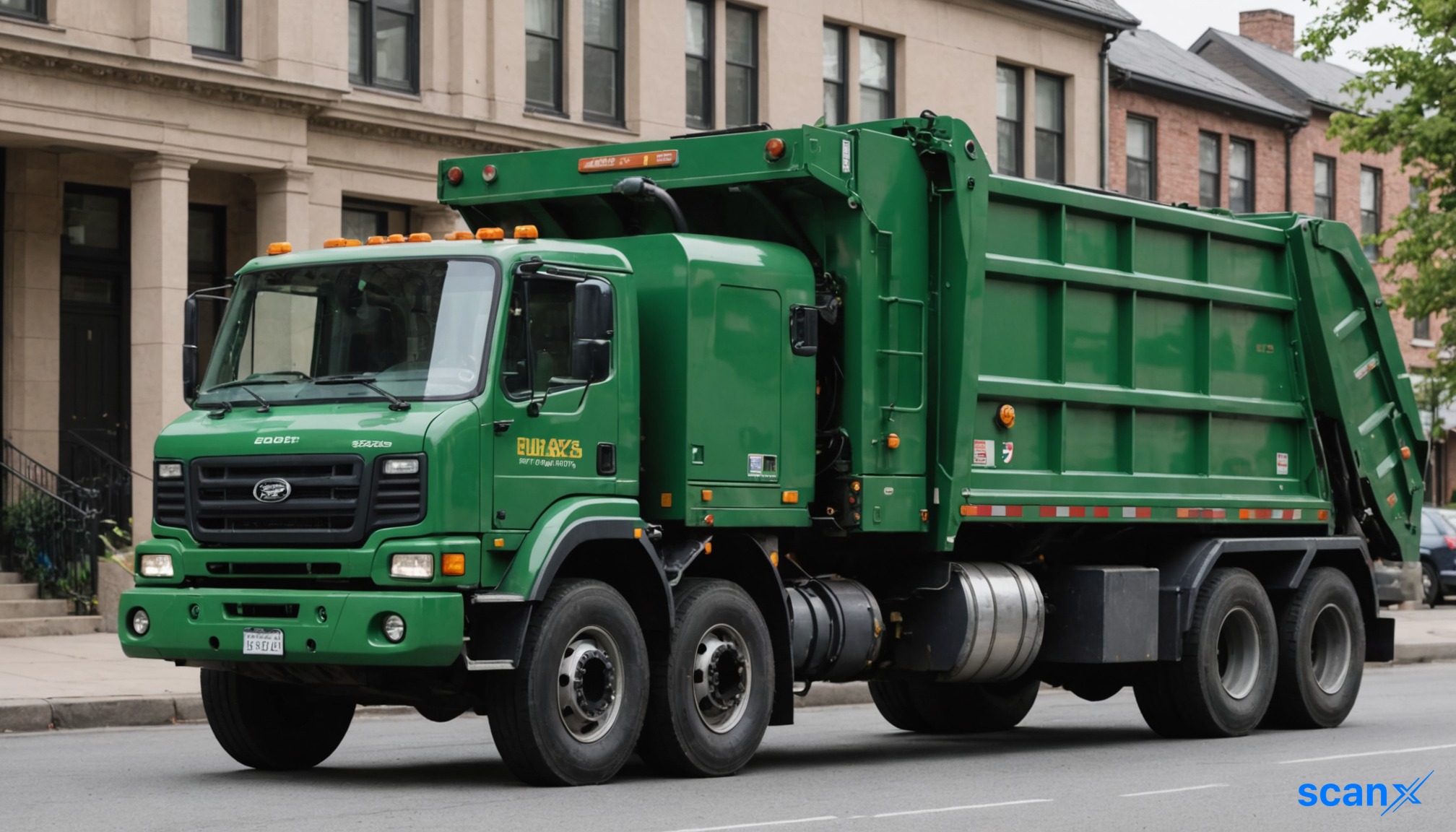
*this image is generated using AI for illustrative purposes only.
Delhivery Limited submitted its Business Responsibility and Sustainability Report (BRSR) for FY26 on August 27, 2026. The filing details environmental performance, workforce safety metrics, and governance disclosures for the period ending March 31, 2026.
The report highlights a rise in safety incidents alongside operational growth. Total recordable work-related injuries fell to 163 from 547 in the prior year, but fatalities increased to 15 from 21. The Lost Time Injury Frequency Rate (LTIFR) for employees rose to 0.99 from 0.50.
Environmental Performance
Scope 1 greenhouse gas emissions increased to 203,706 tCO₂e from 186,222.92 tCO₂e in FY25. Total energy consumption from non-renewable sources jumped to 3,623,225.42 GJ, up from 2,672,890.6 GJ. However, the company reported a decline in energy intensity per rupee of turnover adjusted for Purchasing Power Parity (PPP), falling to 0.00070374 GJ/US$ from 0.00060470 GJ/US$.
Delhivery expanded its electric vehicle (EV) fleet to 939 units across 2W, 3W, and 4W categories as of March 31, 2026. This represents a significant increase from approximately 1,600 alternative fuel vehicles contracted at the close of FY25. The company also added 30 LNG tractors, bringing the total LNG tractor fleet to 50 units.
Workforce and Safety
The company employed 24,855 permanent and other-than-permanent employees, with women constituting 8.4% of the total employee count. Worker strength stood at 48,778, with female workers making up 11.11%.
Safety metrics showed mixed trends:
| Metric | Employees FY26 | Workers FY26 |
|---|---|---|
| Fatalities | 5 | 10 |
| Recordable Injuries | 53 | 110 |
| LTIFR | 0.99 | 1.06 |
The company spent ₹1.62 crore voluntarily on Corporate Social Responsibility (CSR) activities in FY26, despite not having a mandatory liability under Section 135 of the Companies Act, 2013.
Governance and Waste
Delhivery generated 4,651.5 metric tonnes of waste in FY26, up from 2,479.92 metric tonnes in FY25. Of this, 4,216 metric tonnes were recovered through recycling, reusing, or other recovery operations. The company reported zero data breaches involving personally identifiable information.
What the Numbers Show
While Delhivery’s absolute Scope 1 emissions rose by nearly 9% to 203,706 tCO₂e, the emission intensity per tonne-kilometre (t-km) increased only marginally to 69.25 gCO₂e/t-km from 66.83 gCO₂e/t-km. This divergence suggests that the growth in carbon footprint was largely driven by volume expansion rather than a loss in operational efficiency per unit of output.
Historical Stock Returns for Delhivery
| 1 Day | 5 Days | 1 Month | 6 Months | 1 Year | 5 Years |
|---|---|---|---|---|---|
| -0.71% | +2.64% | -3.09% | -11.37% | -11.56% | -24.02% |

How will Delhivery's rising absolute Scope 1 emissions and non-renewable energy consumption impact its ability to meet future regulatory carbon pricing or ESG compliance standards?
Given the increase in Lost Time Injury Frequency Rate (LTIFR) for employees, what specific operational changes or safety investments does Delhivery plan to implement to reverse this trend in FY27?
With the EV fleet growing to 939 units, what is Delhivery's roadmap for scaling alternative fuel adoption to offset the 9% rise in greenhouse gas emissions driven by volume expansion?
 16
16









 Create Custom Screeners
  Access 200+ Pre-built Filters
  Use 50+ Readymade Screener





