

Dai-ichi Karkaria FY26 Results: Net Loss Widens To ₹54 Lakh


Dai-ichi Karkaria reported a net loss of ₹54 lakh for FY26, down from a profit of ₹618 lakh in FY25, as revenue fell 11% to ₹1,613 crore. The decline was driven by weaker operational performance and the absence of a prior-year exceptional gain. The Board recommended a reduced dividend of ₹1.50 per share.


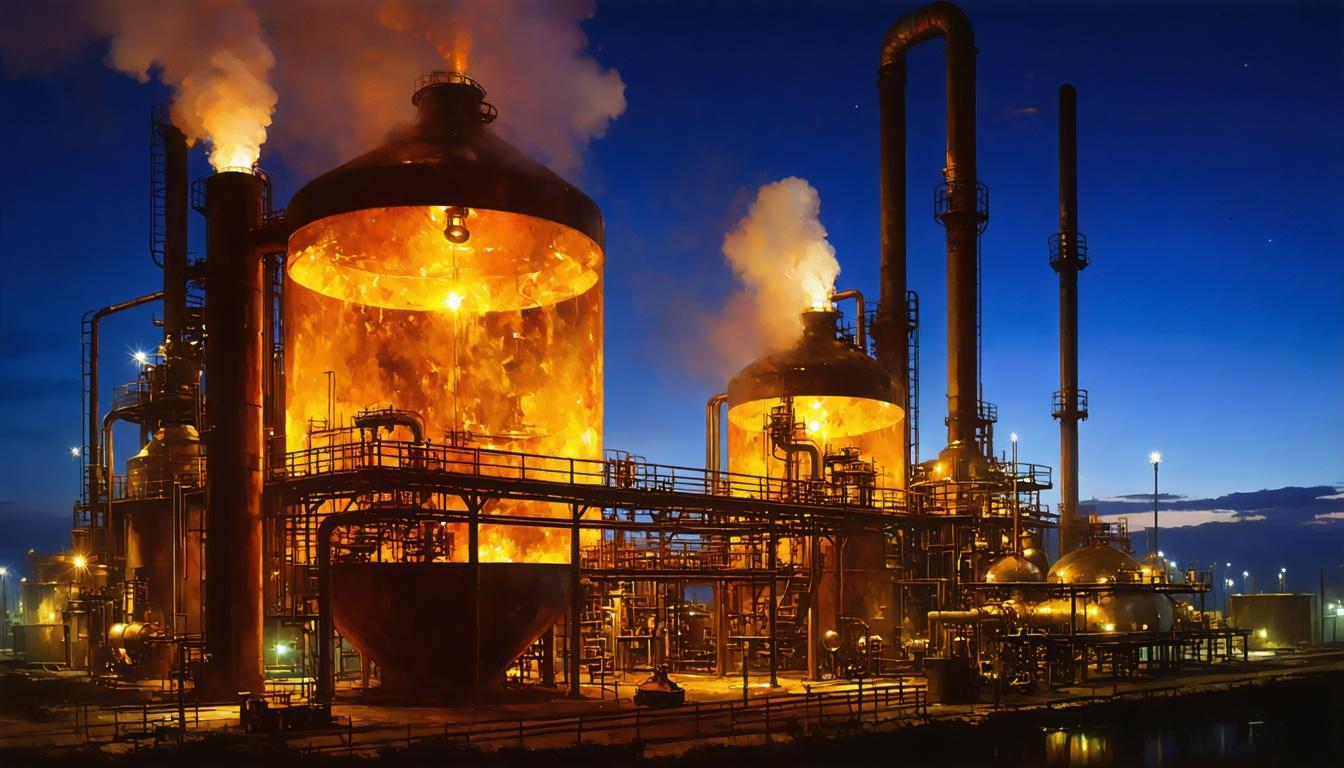
*this image is generated using AI for illustrative purposes only.
dai-ichi karkaria reported a standalone net loss of ₹54 lakh for the financial year ended March 31, 2026 (FY26), marking a significant reversal from the net profit of ₹618 lakh recorded in FY25. The decline was primarily driven by an 11% drop in revenue from operations to ₹1,613 crore, reflecting softer demand and competitive pricing pressures in the specialty chemicals sector. This result signals a challenging operating environment for the company as it navigates global trade disruptions and raw material volatility.
The Board of Directors recommended a final dividend of ₹1.50 per equity share, amounting to a total payout of ₹111.77 lakhs, subject to shareholder approval at the 66th Annual General Meeting scheduled for August 27, 2026. The meeting will also address the re-appointment of Mrs. Shernaz Vakil, who retires by rotation, and seek ratification for the remuneration of M/s. Diwanji & Associates as Cost Auditors for FY27.
Financial Performance
Revenue from operations stood at ₹16,130 lakh in FY26, down from ₹18,138 lakh in FY25. Other income increased to ₹735 lakh from ₹446 lakh, largely due to higher dividend income from its joint venture, ChampionX Dai-ichi India Private Limited (CXDI). However, this was insufficient to offset the decline in operational profitability. Profit before tax swung to a loss of ₹47 lakh from a profit of ₹847 lakh in the prior year.
| Metric | FY26 (₹ in lakhs) | FY25 (₹ in lakhs) | Change |
|---|---|---|---|
| Revenue from Operations | 16,130 | 18,138 | -11% |
| Other Income | 735 | 446 | +65% |
| Profit Before Tax | (47) | 847 | Turnaround |
| Net Profit / (Loss) | (54) | 618 | Turnaround |
| Dividend Per Share | ₹1.50 | ₹3.50 | -57% |
The company recorded an exceptional item charge of ₹20 lakh related to the one-time impact of new Labour Codes notified by the Government of India. In contrast, FY25 included an exceptional gain of ₹153 lakh from the sale of tenancy rights, which significantly boosted prior-year profits.
Operational Highlights
Despite the headwinds, management highlighted progress in strengthening manufacturing capabilities. A key milestone was the expansion of ethoxylation capacity through the addition of a new EO reactor at the Dahej facility. This investment aims to enhance operational flexibility and serve a wider range of specialty chemical applications. The Dahej facility achieved record production levels across several product categories during the year.
Innovation remained central to the growth strategy, with the commissioning of a dedicated Agrochemical Application Laboratory. This facility is expected to accelerate formulation development and reduce time-to-commercialisation for agrochemical products. The Energy and Oilfield Chemicals segment continued to be a strong growth driver, benefiting from increased demand in export markets.
Related Party Transactions
Shareholders will vote on material related party transactions with two entities: ChampionX Dai-ichi India Private Limited (CXDI) and Indian Oxides and Chemicals Private Limited (IOCL). The company seeks approval for transactions up to ₹60 crore each with these entities over the next fifteen months. These transactions involve the sale and purchase of goods and services, executed at arm’s length basis. CXDI is a joint venture with CTI Chemicals Asia Pacific Pte. Ltd., while IOCL is a related party where Mrs. Shernaz Vakil holds directorship.
What the Numbers Show
The divergence between the decline in revenue and the increase in other income highlights a shift in profit drivers. While core operational profitability contracted due to lower volumes and pricing pressure, non-operating income from the joint venture provided a partial buffer. The absence of the large exceptional gain from FY25 further accentuates the year-on-year decline in net profit. Investors should monitor whether the capacity expansions, particularly in ethoxylation, can drive volume growth and margin recovery in FY27.
Historical Stock Returns for Dai-ichi Karkaria
| 1 Day | 5 Days | 1 Month | 6 Months | 1 Year | 5 Years |
|---|---|---|---|---|---|
| -4.82% | -4.48% | -10.23% | +12.40% | +12.40% | +12.40% |

How will the newly expanded ethoxylation capacity at the Dahej facility impact Dai-ichi Karkaria's revenue mix and margin recovery in FY27?
What specific strategies is management implementing to mitigate competitive pricing pressures and softer demand in the specialty chemicals sector?
To what extent will the dedicated Agrochemical Application Laboratory accelerate time-to-market for new formulations and contribute to top-line growth?
 20
20








 Create Custom Screeners
  Access 200+ Pre-built Filters
  Use 50+ Readymade Screener





