

Coca-Cola plans $10 billion US investment through 2030


- Coca-Cola plans $10 billion US investment from 2026 to 2030 across eight states
- Bottling partners fund the majority of manufacturing and distribution infrastructure
- Q2 revenue rose 7% YoY to $13.4 billion with EPS raised to 9%-10% forecast
- System contributed $85 billion to US GDP in 2025 supporting nearly 1 million jobs

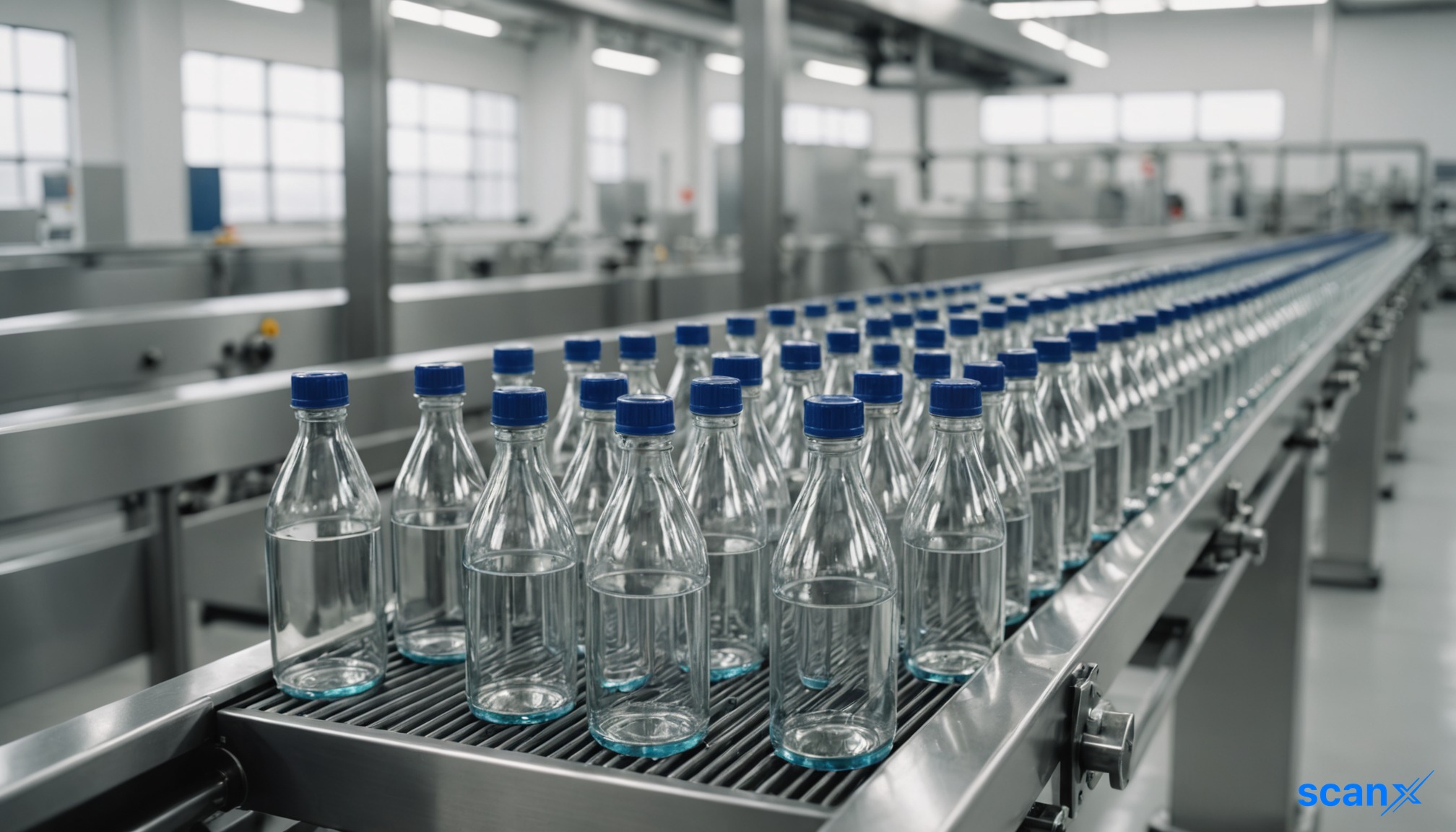

*this image is generated using AI for illustrative purposes only.
Coca-Cola Co. (NYSE: KO) plans to invest $10 billion in U.S. infrastructure from 2026 through 2030. The beverage giant will expand its production and distribution network across eight states.
The investment covers new or expanded facilities in California, Colorado, Indiana, Alabama, Michigan, Minnesota, Florida and New York. This follows second-quarter revenue of $13.4 billion, up 7% year over year.
Bottlers Funding Growth
The $10 billion figure reflects the broader Coca-Cola system rather than the company’s direct capital spending. Coca-Cola operates an asset-light model where bottling partners fund plants, trucks and equipment. Coca-Cola invests in its brands while partners handle manufacturing and distribution.
Coca-Cola President and CFO John Murphy stated that the lion’s share of the $10 billion represents bottling partners’ plans for local investment in manufacturing, distribution, sales and logistics. He described the move as a growth strategy rather than a response to tariffs.
Economic Impact
Murphy noted that the Coca-Cola system already keeps 98 cents of every dollar spent on its beverages within the U.S. economy. An independent study commissioned by the company found that the U.S. system contributed $85 billion to U.S. gross domestic product in 2025. It supported nearly 1 million jobs and spent approximately $37 billion with American suppliers.
What the Numbers Show
The capital expenditure structure highlights a significant divergence between corporate branding and physical infrastructure funding. While Coca-Cola raises its full-year comparable EPS growth forecast to 9% to 10% from 8% to 9%, the heavy lifting of physical expansion falls on bottling partners. This preserves Coca-Cola’s balance sheet flexibility while leveraging partner equity for asset-heavy investments.
Global Context
The U.S. initiative aligns with broader international expansion efforts. Coca-Cola also plans a $1 billion investment in South Africa through 2030, covering production capacity, distribution and innovation.
Price Action
Coca-Cola shares closed at $88.71 on Tuesday, down 0.12%. The stock dipped about 0.18% to $88.55 in premarket trading on Wednesday.

How might the reliance on bottling partners for the bulk of this $10 billion investment impact Coca-Cola's ability to control operational efficiency and supply chain resilience across these eight states?
Given the asset-light model, what are the potential financial risks for Coca-Cola if economic downturns reduce the capital expenditure capacity of its independent bottling partners?
Will the geographic focus on these specific eight states signal a strategic shift in consumer demand trends, and how might this affect market share in non-invested regions?
 15
15










 Create Custom Screeners
  Access 200+ Pre-built Filters
  Use 50+ Readymade Screener





