
 NewsClean Max Enviro Energy Solutions seeks approval for ₹10,000 crore related party transactions
Clean Max Enviro Energy Solutions seeks approval for ₹10,000 crore related party transactions


- Clean Max Enviro Energy Solutions seeks approval for RPTs exceeding ₹10,000 crore
- Largest single limit is ₹2,382.97 crore with Clean Max Kenai Private Limited
- Transactions support group captive renewable energy projects under Electricity Act
- E-voting period runs from August 26 to September 24, 2026
- Aggregate values reflect multiple transaction categories per project, not distinct commitments



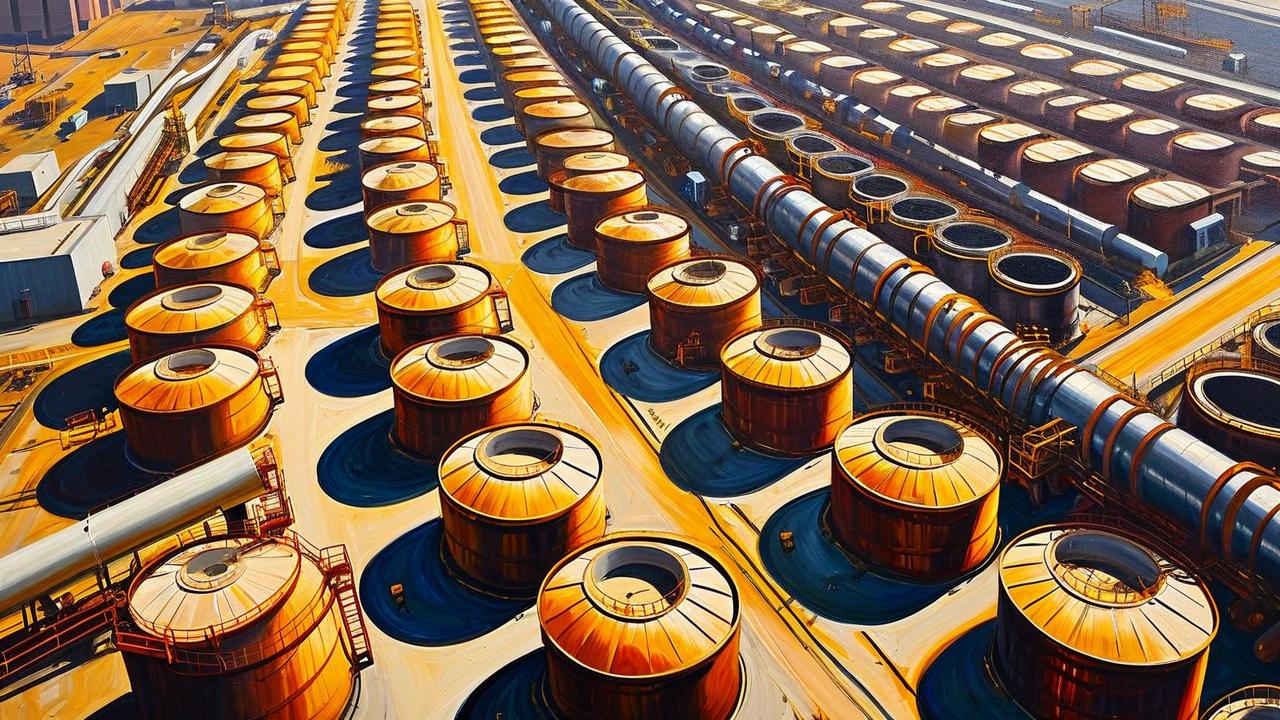
*this image is generated using AI for illustrative purposes only.
Clean Max Enviro Energy Solutions has issued a postal ballot notice seeking shareholder approval for material related party transactions (RPTs) with 32 subsidiaries and associates. The proposed aggregate value of these transactions exceeds ₹10,000 crore, significantly surpassing the company’s FY25-26 consolidated turnover of ₹1,912.87 crore.
The resolutions cover a range of operational activities essential to the company’s group captive renewable energy business model. These include engineering, procurement, and construction (EPC) contracts, inter-corporate loans (ICLs), equity infusions, and the provision of corporate guarantees. The transactions are structured to comply with the Electricity Act, 2003, which mandates that captive users hold at least 26% equity in project-specific special purpose vehicles (SPVs).
Key Transaction Details
The largest single transaction limit is proposed with Clean Max Kenai Private Limited, valued at ₹2,382.97 crore. Other significant approvals include ₹2,298.75 crore with Clean Max Sphere Energy Private Limited and ₹1,736.24 crore with Clean Max Terra Private Limited.
| Related Party | Proposed RPT Value (₹ crore) | % of FY25-26 Turnover |
|---|---|---|
| Clean Max Kenai Private Limited | 2,382.97 | 124.58% |
| Clean Max Sphere Energy Private Limited | 2,298.75 | 120.17% |
| Clean Max Terra Private Limited | 1,736.24 | 90.77% |
| Clean Max Ni Private Limited | 1,604.26 | 83.87% |
| Clean Max Ilgohp Private Limited | 1,635.76 | 85.51% |
The company clarified that these aggregate figures reflect different categories of transactions—such as EPC costs, financing instruments, and recurring profit and loss items—counted separately. Consequently, the total does not represent separate financial commitments of that magnitude for each category but rather the cumulative ceiling for various legs of the same underlying projects.
What the Numbers Show
The scale of the proposed RPTs highlights the capital-intensive nature of Clean Max’s SPV-driven growth strategy. With the aggregate proposed limit exceeding the company’s annual turnover by more than five times, the disclosures underscore a heavy reliance on internal group financing and cross-subsidiary service arrangements. The inclusion of non-interest bearing perpetual debt and corporate guarantees within these limits suggests a structure designed to optimize liquidity across the group while managing external borrowing costs through centralized fundraising mechanisms.
Voting Process
Shareholders can cast their votes via remote e-voting from 9:00 am on August 26, 2026, to 5:00 pm on September 24, 2026. The cut-off date for eligibility is August 21, 2026. MUFG Intime India Private Limited serves as the registrar and share transfer agent for this process. The Audit Committee has reviewed the transactions, confirming they are in the ordinary course of business and conducted at arm’s length based on an independent pricing framework developed by a Big 4 firm.
Historical Stock Returns for Clean Max Enviro Energy Solutions
| 1 Day | 5 Days | 1 Month | 6 Months | 1 Year | 5 Years |
|---|---|---|---|---|---|
| -2.03% | -0.28% | -7.26% | +50.92% | +49.41% | +49.41% |

How might the heavy reliance on internal group financing and cross-subsidiary guarantees impact Clean Max's ability to secure external debt or equity in future capital markets?
What are the potential liquidity risks for the parent company if the SPVs face delays in project commissioning or regulatory approvals, given the scale of the ₹10,000 crore exposure?
Could the proposed RPT structure attract increased scrutiny from regulators or minority shareholders regarding the arm's length nature of transactions despite the Big 4 pricing framework?
 17
17











 Access Market Heat-map & Insights
  Create, Save & Share your Screener
  Use 200+ Screening Filters





