Citigroup to redeem $1.5bn Series T preferred stock on Aug 15

scanx
Reviewed by
Jubin VScanX News Team
Key Highlights

Citigroup Inc. announced the full redemption of its 6.250% Series T preferred stock, totaling $1.5 billion. The redemption price of $1,000 per share will be paid on August 17, 2026. This action is intended to optimize the bank's capital structure and funding efficiency.


powered bylight_fuzz_icon
45779880

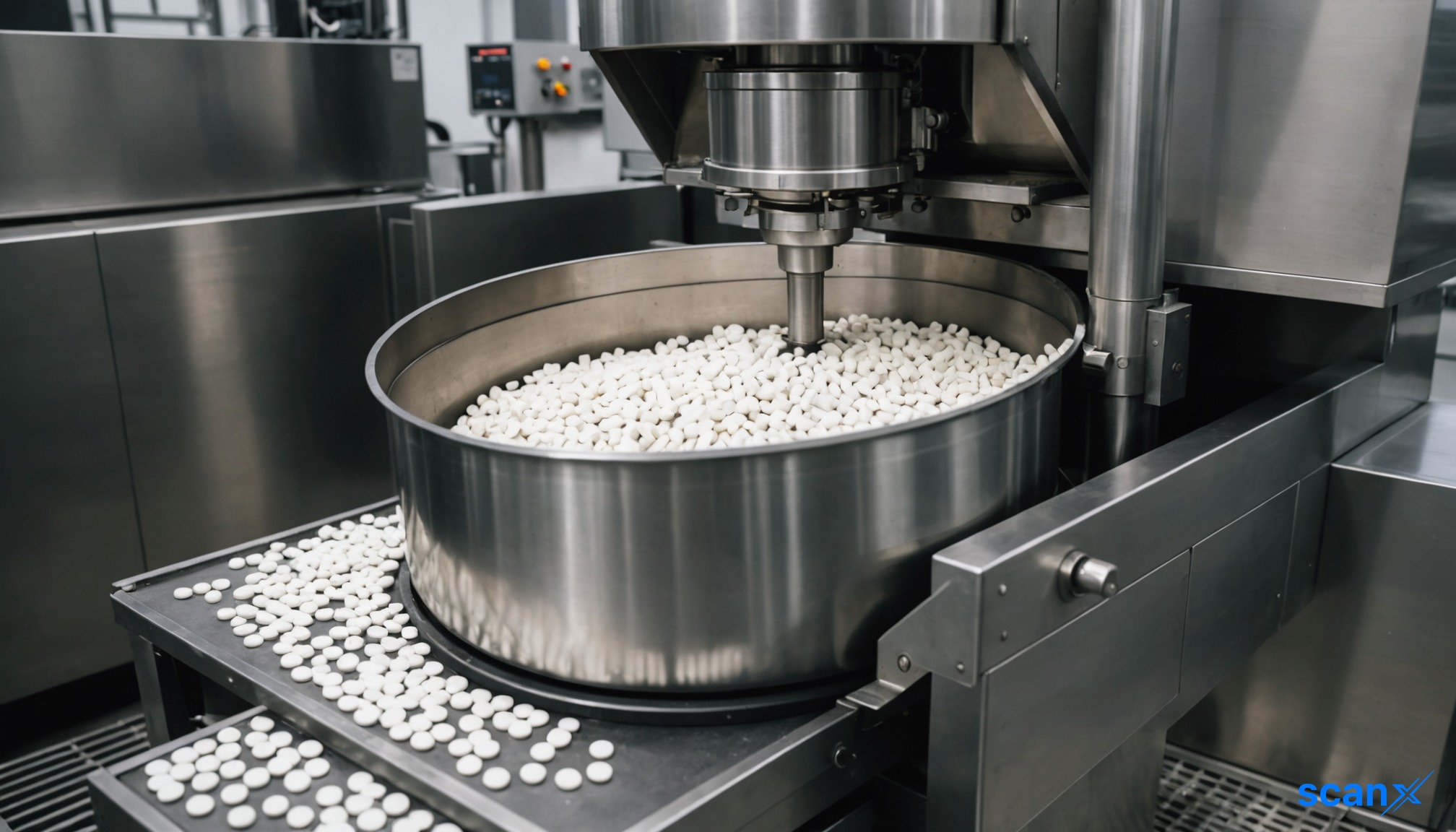
*this image is generated using AI for illustrative purposes only.

Citigroup Inc. will redeem all $1.5 billion aggregate liquidation preference of its 6.250% Fixed Rate/Floating Rate Noncumulative Preferred Stock, Series T. The redemption is part of the bank's ongoing efforts to enhance the efficiency of its funding and capital structure. The decision considers factors such as economic value, regulatory changes, potential impact on net interest margin, borrowing costs, and overall market conditions.

The redemption date is set for August 15, 2026. Holders will receive a cash redemption price of $1,000 per Depositary Share on August 17, 2026, which is the business day immediately following the redemption date. Dividends will cease to accrue on the Preferred Stock beginning on the redemption date, and the shares will no longer be outstanding as of the payment date.

Holders of record on a date to be declared by Citigroup's board of directors prior to the redemption date will receive the regular quarterly dividend. The dividend amount will be declared prior to the redemption date and will be payable on the redemption payment date.

Computershare Trust Company, N.A. is acting as the paying agent for the Depositary Shares. Inquiries regarding the notice of redemption and related materials should be directed to Computershare at its Corporate Actions department in Canton, Massachusetts, or via telephone at 1-888-250-3985.

Key Redemption Details

Detail Information
Total Aggregate Liquidation Preference $1.5 billion
Redemption Date August 15, 2026
Redemption Payment Date August 17, 2026
Cash Redemption Price per Share $1,000
Dividend Accrual Status Ceases August 15, 2026
Disclaimer: This article is AI-generated using data from ViewTrade. ScanX is not liable for any inaccuracies.

How will this redemption impact Citigroup's net interest margin given the current interest rate environment?

What specific regulatory changes are driving the bank's decision to optimize its capital structure at this time?

Will Citigroup issue new preferred stock or other debt instruments to replace the redeemed Series T shares?

like15
dislike

Citigroup delivers best revenue in a decade as turnaround gains traction

scanx
Reviewed by
Radhika SScanX News Team
Key Highlights

Citigroup Inc reported a 45% increase in Q2 net income to $5.83 billion, with revenue rising 14% to $24.77 billion, marking its best quarterly revenue in a decade. All five business segments contributed to the growth, described by analysts as a 'rare clean sweep'. The bank maintained its 2026 outlook for net interest income and credit losses, while analysts noted a shift toward offensive investments.

powered bylight_fuzz_icon
44889001

*this image is generated using AI for illustrative purposes only.

Citigroup Inc reported a 45% increase in net income to $5.83 billion for the second quarter, driven by broad-based growth across its businesses and improved efficiency. The bank delivered its best quarterly revenue in a decade, with revenue, net of interest expense, rising 14% year-over-year to $24.77 billion. This performance was described by analysts as a 'rare clean sweep,' with all five business segments contributing to growth. Earnings per share of $3.15 topped expectations of $2.72, while the efficiency ratio improved by 530 basis points to 57.4%. The bank's Common Equity Tier 1 capital ratio stood at 12.8%, comfortably above regulatory requirements of 11.6%.

CEO Jane Fraser’s turnaround plan gained traction as the bank posted a 13% return on tangible common equity, beating analysts' 11.3% estimate. Fraser has previously stated a goal to lift this measure to about 14% to 15% by 2031. CFO Gonzalo Luchetti noted that while equities trading revenue surged 45% to $2.3 billion, the bank remains late to investing in equities compared to larger rivals like JPMorgan Chase and Goldman Sachs. Investment banking revenue climbed 44% to $1.5 billion, marking the strongest performance for that division since 2021.

Analyst Reaction

Analysts responded positively to the results, though the stock faced some pressure due to high expectations. BofA Securities analyst Ebrahim Poonawala maintained a Buy rating with a price target of $176, noting that management indicated plans to leverage the strong revenue backdrop for growth-driven investments. RBC Capital Markets analyst Gerard Cassidy reiterated an Outperform rating and a $150 price target, highlighting the bank's shift to an 'offense approach' rather than the defense positioning of previous years.

Segment Performance Highlights

Performance was strong across most segments. Services revenue rose 18% to $6.4 billion, reaching a record high. Markets revenue increased 17% to $7.0 billion. Banking revenue climbed 34% to $1.9 billion, and wealth revenue grew 13% to $3.2 billion. U.S. consumer cards revenue rose 1% to $4.5 billion. Revenue in the 'all other' category increased 1% to $1.7 billion.

Key Financial Metrics

Metric Value
Q2 Revenue $24.77 billion
Net Income $5.83 billion
Earnings Per Share $3.15
Efficiency Ratio 57.4%
CET1 Capital Ratio 12.8%
Equities Trading Revenue $2.3 billion

Outlook and Guidance

Citigroup reaffirmed its 2026 outlook, expecting net interest income excluding markets to rise 5% to 6%. The bank also reiterated its forecast for branded cards' net credit losses at 4.0% to 4.5%. Cost of credit fell 12% to $2.5 billion, reflecting $2.4 billion of net credit losses and a net allowance for credit losses build of $118 million. Management raised expectations for severance costs, potentially pushing the efficiency ratio into the 60-60.5% range compared to the previous 59.5-60% guidance.

Disclaimer: This article is AI-generated using data from ViewTrade. ScanX is not liable for any inaccuracies.

How will Citigroup allocate the capital from its record revenue to bridge the investment gap in equities trading compared to rivals like JPMorgan and Goldman Sachs?

What specific strategic shifts will accompany the move to an 'offense approach,' and will this increase risk exposure in volatile markets?

Can the efficiency ratio remain below 60% in the long term given the rising expectations for severance costs and growth-driven investments?

like20
dislike

More News on Citi Group