

Carnival Corp sets 25% GHG intensity cut by 2029


Carnival Corporation raised its GHG emissions intensity reduction target to 25% by 2029, following an early achievement of its 20% goal in 2025. The company attributes this progress to fleet transformation, including LNG adoption and retirement of older ships, alongside operational efficiencies. These measures are projected to save $650 million in fuel costs in 2026 compared to 2019 levels.

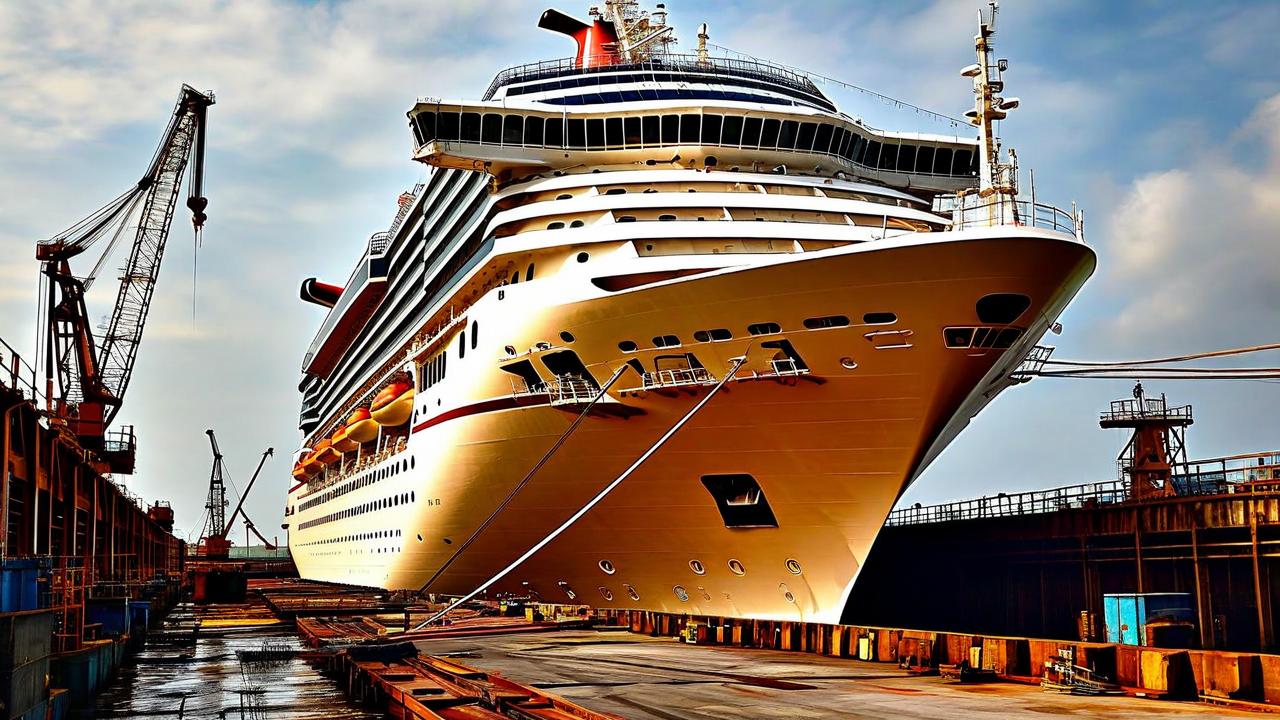

*this image is generated using AI for illustrative purposes only.
Carnival Corporation (NYSE: CCL) announced on Aug. 6, 2026, that it has raised its greenhouse gas (GHG) emissions intensity reduction target to 25% by 2029, measured on an available lower berth days basis against a 2019 baseline. The world’s largest cruise company accelerated its timeline by one year and increased the ambition by five percentage points after successfully achieving its original 2030 goal of a 20% reduction five years early in 2025. This strategic shift underscores the financial materiality of decarbonization, with fuel-efficiency gains on track to save the company roughly $650 million in 2026 alone versus 2019 levels.
The revised target reflects sustained progress detailed in Carnival Corporation’s newly published 2025 Sustainability Report. Since 2008, the company has reduced its GHG emissions intensity by 44%, effectively cutting emissions associated with each guest sailing by nearly half over nearly two decades. Josh Weinstein, CEO of Carnival Corporation, stated that the company is not treating the early achievement as a finish line but is instead continuing to improve operational efficiency and advance technologies to lower emissions further.
Decarbonization Strategy and Fleet Transformation
Carnival Corporation’s approach prioritizes lowering energy use today while maintaining flexibility for future fuel pathways. A significant contributor to the recent milestones has been a strategic fleet restructuring that introduced 11 LNG-powered cruise vessels and retired 27 older, less efficient ships since 2019. Seven new ships scheduled for delivery through 2033 are expected to deliver more than 20% greater efficiency per passenger than current vessels.
Operational enhancements include smart itinerary planning, voyage optimization tools, and robotic hull cleaning to reduce drag. Energy efficiency investments such as Power Saver Packs—installed on about 80% of the fleet—shave annual shipboard energy demand by about 535,000 megawatt-hours versus 2019. Air Lubrication Systems on 13 ships reduce propulsion energy needs by around 5%, while Azipod propulsion on more than 40 ships can trim fuel use by up to 10%.
Low-GHG Power Generation
The company is investing in multiple low-carbon technologies, recognizing that no single solution will deliver net-zero operations. LNG-powered ships now represent about 21% of fleet capacity, with seven more scheduled for delivery through 2033. Shore power capability has expanded to 74% of the fleet, enabling connections to local electrical grids during approximately 1,460 port calls in 2025. Carnival Corporation aims to achieve 80% fleetwide shore power connection capability by 2030. Additionally, the company operates a 10 MWh battery energy storage system aboard AIDAprima, the largest in the cruise industry, and is increasing biofuel use as supply becomes available.
What the Numbers Show
The correlation between environmental targets and cost savings is evident in Carnival Corporation’s data. The company’s ability to hit its 20% GHG reduction target five years early demonstrates that operational efficiency initiatives, such as voyage optimization and hull cleaning, deliver immediate financial benefits alongside long-term sustainability goals. The projected $650 million in fuel savings for 2026 highlights how decarbonization efforts are directly impacting the bottom line, reducing exposure to volatile fuel prices while advancing climate commitments.

How might Carnival's accelerated decarbonization timeline pressure competitors like Royal Caribbean and Norwegian Cruise Line to adjust their own sustainability targets and capital expenditure plans?
What are the potential risks to Carnival's projected $650 million in fuel savings if global LNG supply chains face disruptions or if regulatory costs for low-carbon fuels increase faster than anticipated?
Could the high upfront capital costs required for retrofitting the remaining fleet with shore power and advanced propulsion systems impact Carnival's dividend policy or debt levels in the near term?
 16
16












 Access 50+ Readymade Screeners
  Use 200+ Custom Filters
  Get Full Market Insights





