Boston Scientific reports global disruptions after cybersecurity incident

scanx
Reviewed by
Naman SScanX News Team
Key Highlights
  • Boston Scientific identified a cybersecurity incident on August 25, 2026, disrupting global operations
  • System access limitations are affecting the processing and shipping of customer orders
  • The company reported quarterly revenue of $5.442 billion, beating estimates of $5.361 billion
  • Shares fell 4.32% to $47.70 as the investigation into the breach continues
powered bylight_fuzz_icon
49285565

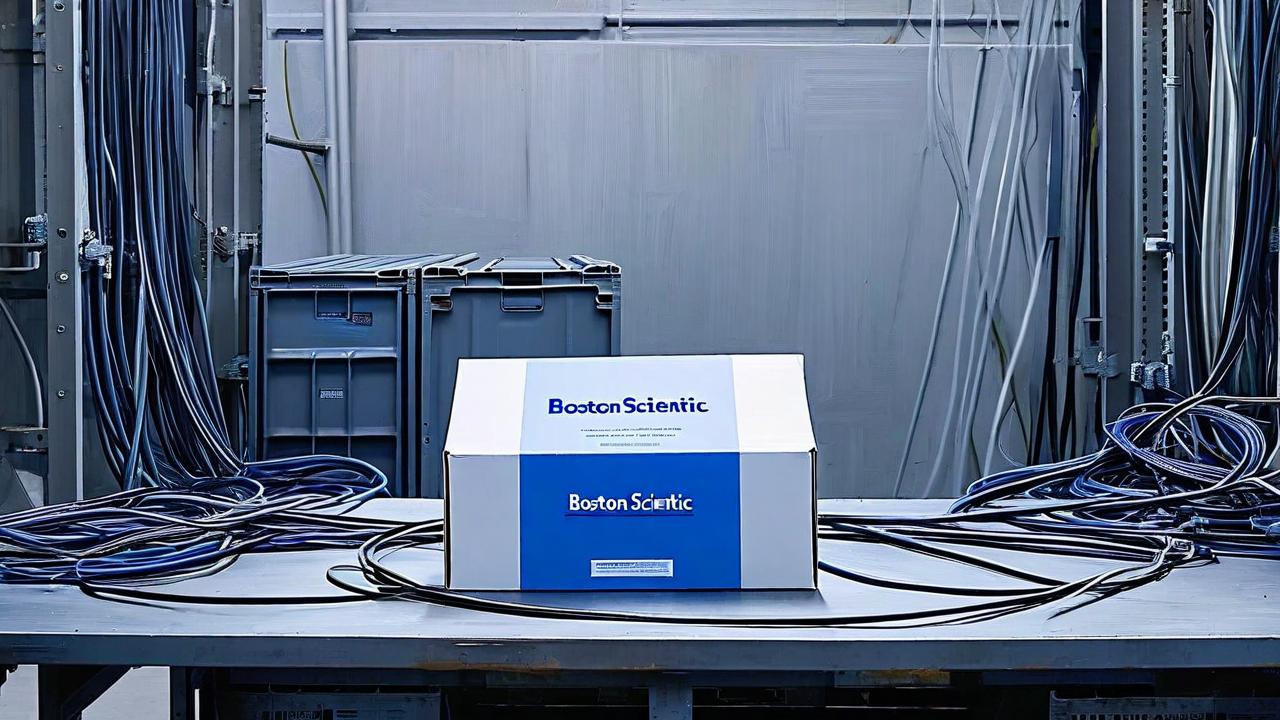
*this image is generated using AI for illustrative purposes only.

Boston Scientific Corporation (NYSE: BSX) identified a cybersecurity incident on August 25, 2026, causing global operational disruptions. The breach limits access to systems critical for processing and shipping customer orders.

The company activated its incident response plan and engaged third-party cybersecurity experts to contain the threat. In a Wednesday SEC filing, Boston Scientific noted that system access remains limited and the timeline for full restoration is currently unknown.

Operational Impact

The incident has disrupted key operational aspects, specifically limiting the ability to process and ship customer orders. These limitations are expected to continue as the investigation proceeds. The company has not determined whether the incident is reasonably likely to have a material impact on the company.

Recent Financial Context

Amid the cyber incident, Boston Scientific reported revenues of $5.442 billion for the recent quarter, beating the consensus estimate of $5.361 billion and management guidance of $5.34 billion-$5.44 billion. However, the company had previously cut its fiscal 2026 outlook, citing pressures in the Watchman and EP markets.

Boston Scientific shares were down 4.32% at $47.70 at the time of publication on Wednesday.

Disclaimer: This article is AI-generated using data from ViewTrade. ScanX is not liable for any inaccuracies.

How might the ongoing disruption to order processing and shipping impact Boston Scientific's revenue guidance for the next fiscal quarter?

What are the potential long-term reputational risks for Boston Scientific in the medical device sector following this breach, and could it affect hospital procurement decisions?

Will the company need to allocate significant capital expenditures from its operational budget to enhance cybersecurity infrastructure, potentially impacting future R&D spending?

like20
dislike

Boston Scientific delivers 15.01% annualized return over 15 years

scanx
Reviewed by
Naman SScanX News Team
Key Highlights

Boston Scientific (NYSE: BSX) achieved a 15.01% annualized return over 15 years, beating the market by 1.54%. With a current market cap of $76.81 billion, a $1,000 investment made 15 years ago is now worth $8,480.30, based on a share price of $51.68.

powered bylight_fuzz_icon
48531385

*this image is generated using AI for illustrative purposes only.

Boston Scientific (NYSE: BSX) has delivered an average annual return of 15.01% over the past 15 years, outperforming the broader market by 1.54% on an annualized basis. The medical device manufacturer currently commands a market capitalization of $76.81 billion.

The long-term performance highlights the impact of compounded growth on investor capital. An individual who invested $1,000 in BSX stock 15 years ago would see that position valued at $8,480.30 today. This calculation is based on a share price of $51.68 at the time of writing.

Performance Metrics

The following table outlines the key performance indicators for Boston Scientific stock over the specified period.

Metric Value
Annualized Return 15.01%
Market Outperformance 1.54%
Current Market Cap $76.81 billion
Hypothetical Growth ($1k) $8,480.30
Reference Share Price $51.68

What the Numbers Show

The data illustrates a significant divergence between nominal investment and realized value through compounding. While the absolute gain of $7,480.30 on a $1,000 base appears substantial, it is driven by the consistent application of the 15.01% annualized return rate over a 15-year horizon. This suggests that the primary value driver for long-term holders has been sustained capital appreciation rather than short-term volatility or dividend reinvestment, given the focus on price-based valuation in the source data.

Disclaimer: This article is AI-generated using data from ViewTrade. ScanX is not liable for any inaccuracies.

Can Boston Scientific sustain its 15% annualized growth trajectory given the increasing regulatory scrutiny on medical device pricing?

How might recent mergers and acquisitions in the medtech sector impact BSX's competitive positioning and future market share?

What role will emerging technologies like AI-driven diagnostics play in driving Boston Scientific's revenue beyond traditional hardware sales?

like15
dislike

More News on Boston Scientific