

Bombay Dyeing schedules 146th AGM, files BRSR for FY26


The Bombay Dyeing and Manufacturing Company Limited has scheduled its 146th AGM for August 7, 2026, via video conferencing and issued web-links for the Annual Report for FY26 to members without registered emails. Concurrently, the company filed its BRSR for FY26, reporting on ESG initiatives such as electric vehicle integration and solar power usage. The report details a paid-up capital of ₹45.20 crore, identifies material risks like plastic waste management, and notes zero CSR expenditure due to negative average net profit over three years. Operational data shows the PSF division contributing 94.40% to turnover, with an external evaluation conducted by Dhir & Dhir Associates.


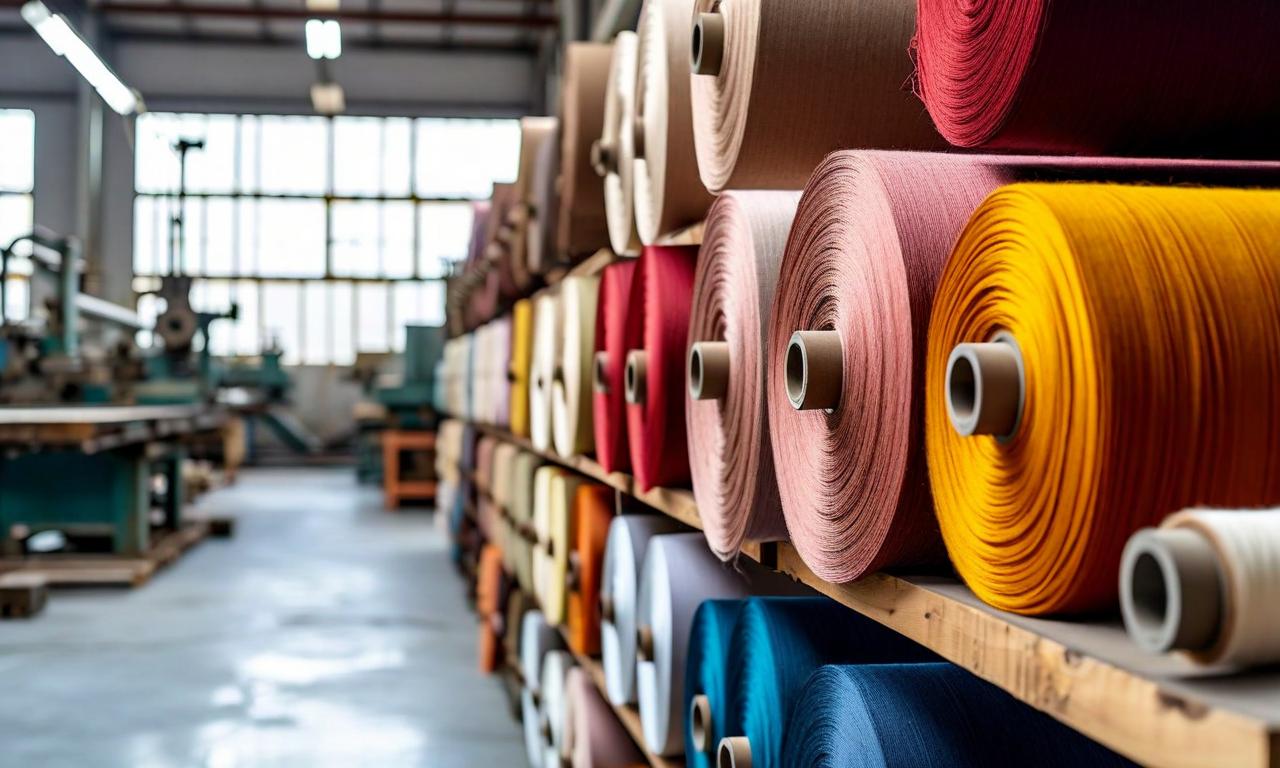
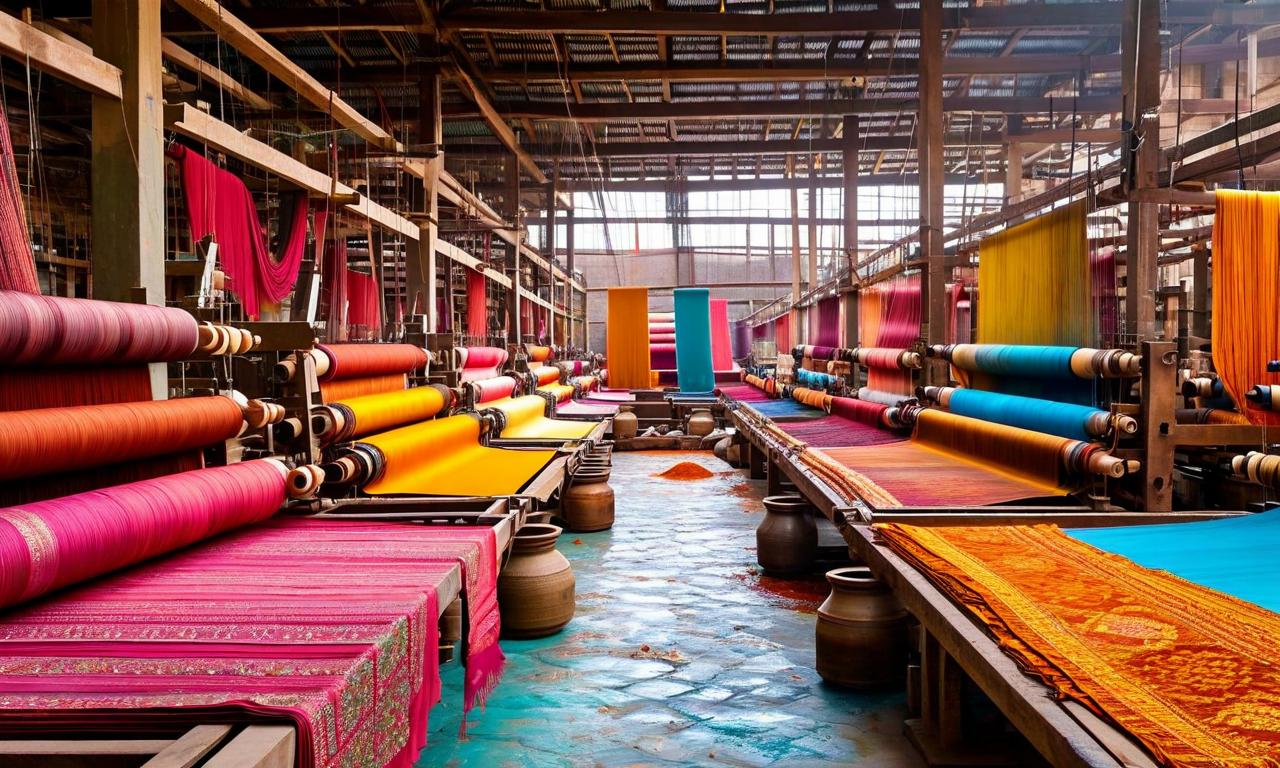
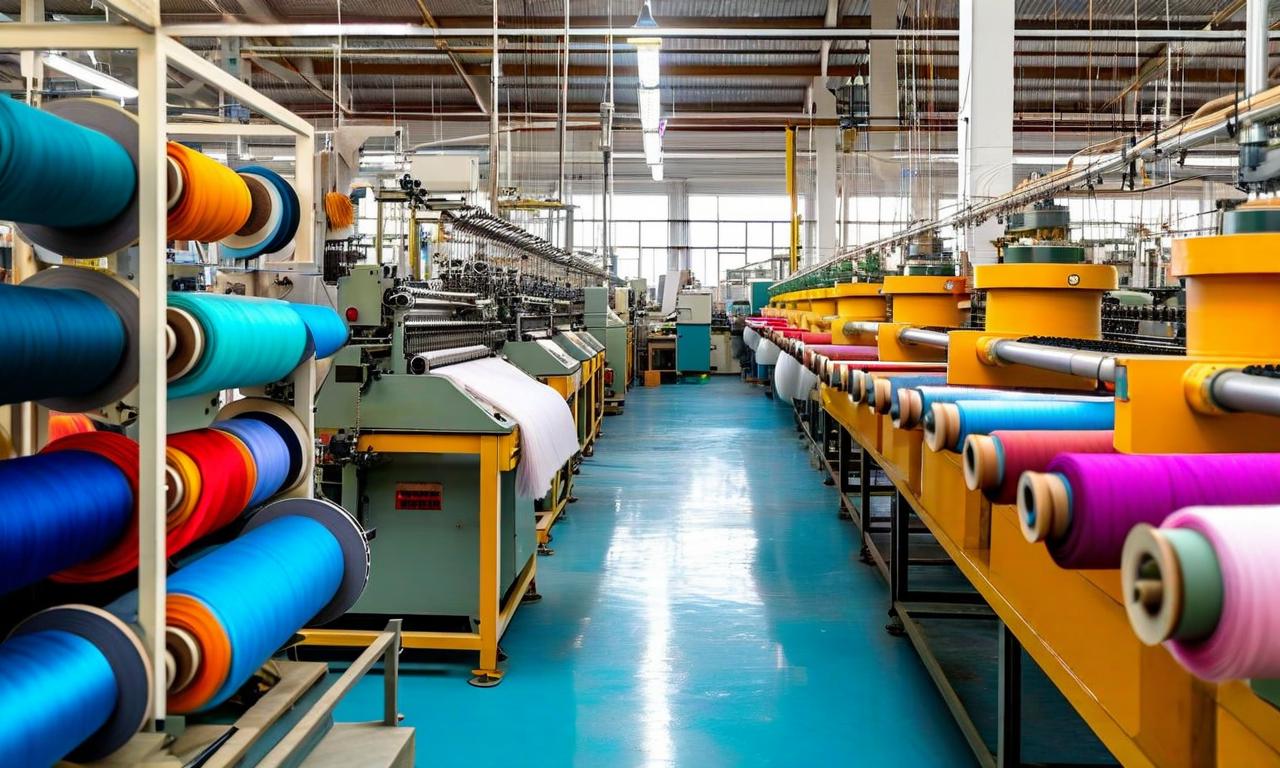
*this image is generated using AI for illustrative purposes only.
The Bombay Dyeing and Manufacturing Company Limited has scheduled its 146th Annual General Meeting (AGM) for August 7, 2026, to be held via video conferencing. The company is providing the web-link for the Annual Report for the financial year 2025-26 to members whose email addresses are not registered with the company or its Registrar & Transfer Agent. This communication follows the filing of its Business Responsibility and Sustainability Report (BRSR) for FY26, which details the company's environmental, social, and governance (ESG) performance across its Polyester, Realty, and Retail divisions.
Sustainability Initiatives
During the financial year, the company accelerated its transition toward low-carbon transportation by integrating battery-operated electric vehicles into its logistics and employee transportation fleets. To optimize industrial energy efficiency, the company utilized Vapour Absorption Machine (VAM) technology, which captures and repurposes waste heat or steam for cooling purposes. Additionally, the company continued its commitment to open-access solar arrangements to source clean, renewable solar power directly, reducing dependence on conventional fossil fuels.
Ecological balance and internal advocacy formed the core of the company's environmental conservation strategy. The company organized extensive tree plantation drives in collaboration with local communities and environmental agencies. Internally, it fostered a culture of shared responsibility through a comprehensive Employee Awareness Campaign, which included sustainability-themed competitions, quizzes, and innovation workshops.
Operational and Financial Disclosures
The company reported a paid-up capital of ₹45.20 crore, comprising 20,65,34,900 Equity Shares of ₹2/- each aggregating to ₹41.31 crore and unlisted 3,88,800, 8% Redeemable Non-Convertible Non-Cumulative Preference Shares of ₹100/- each aggregating to ₹3.89 crore. The disclosures under the report are made on a standalone basis for the company.
The company identified several material responsible business conduct issues, including plastic waste management, resource efficiency, and rising prices of raw materials. It noted that there was no negative financial impact in the reporting period of FY 2025-26 for these identified risks. The company's average net profit for the last three financial years was negative; therefore, it was not required to spend any amount on Corporate Social Responsibility (CSR) activities for the financial year 2025–26, though it undertook voluntary initiatives.
Employee and Stakeholder Engagement
As of the end of the financial year, the company had a total of 449 employees and 933 workers. The Board of Directors comprised 11 members, with female representation at 18.18%. The company reported that no complaints were received from communities, investors, employees, or workers during the year. Shareholders filed 25 complaints, all of which were promptly resolved. Customers filed 80 complaints, with two pending resolution at the close of the year.
The company's Polyester Staple Fibre (PSF) division contributed 94.40% to the total turnover, while the Real Estate and Retail divisions contributed 2.20% and 3.40%, respectively. The PSF division had an export contribution of 15.07% to its turnover.
| Business Activity | Description | % of Turnover |
|---|---|---|
| Manufacturing | Polyester Staple Fibre (PSF) | 94.40 |
| Construction | Buildings - Real Estate Business | 2.20 |
| Trade | Retail - Textiles | 3.40 |
The report confirms that the company has not reported any material non-compliances with applicable statutory requirements and that an external evaluation of its policies was conducted by Dhir & Dhir Associates.
Historical Stock Returns for Bombay Dyeing
| 1 Day | 5 Days | 1 Month | 6 Months | 1 Year | 5 Years |
|---|---|---|---|---|---|
| -0.73% | -6.07% | -14.58% | -9.60% | -43.64% | 0.0% |

Given that Bombay Dyeing's average net profit has been negative over the last three financial years, what strategic restructuring or turnaround plans might the company pursue to return to profitability?
With the PSF division contributing 94.40% of total turnover, how vulnerable is Bombay Dyeing to potential disruptions in global polyester markets, and what diversification strategies could reduce this concentration risk?
As the company expands its electric vehicle fleet and solar energy adoption, what measurable carbon reduction targets might it set in future BRSR reports, and how could these commitments affect its ESG ratings?
 19
19






 Access 50+ Readymade Screeners
  Use 200+ Custom Filters
  Get Full Market Insights





