

Balaji Amines Starts India's First DME Production


Balaji Amines has commissioned India's first commercial DME plant at Unit-IV, Chincholi MIDC, Solapur, with a capacity of 1,00,000 TPA. The facility focuses on domestic markets, aiming to reduce LPG imports through blending. Additionally, the company is expanding into EV battery chemicals, leveraging its position as a sole manufacturer of DMC and NMP.

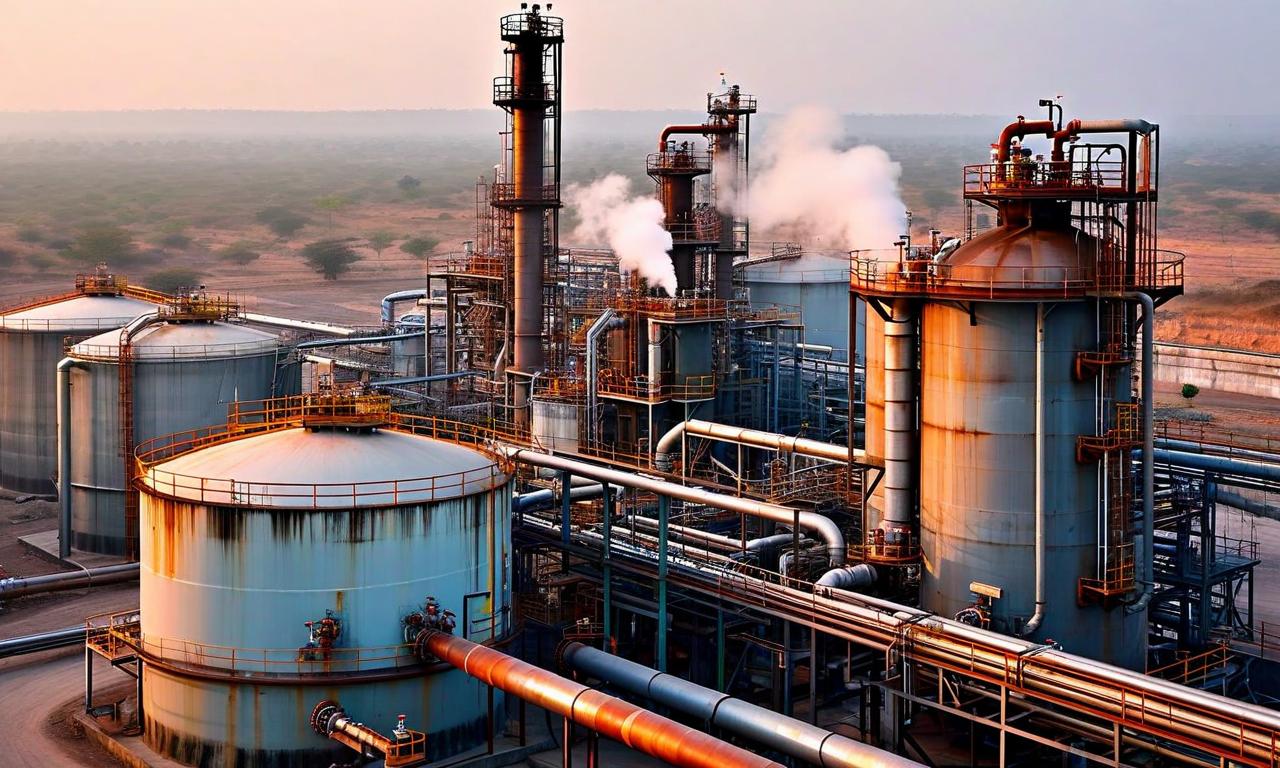

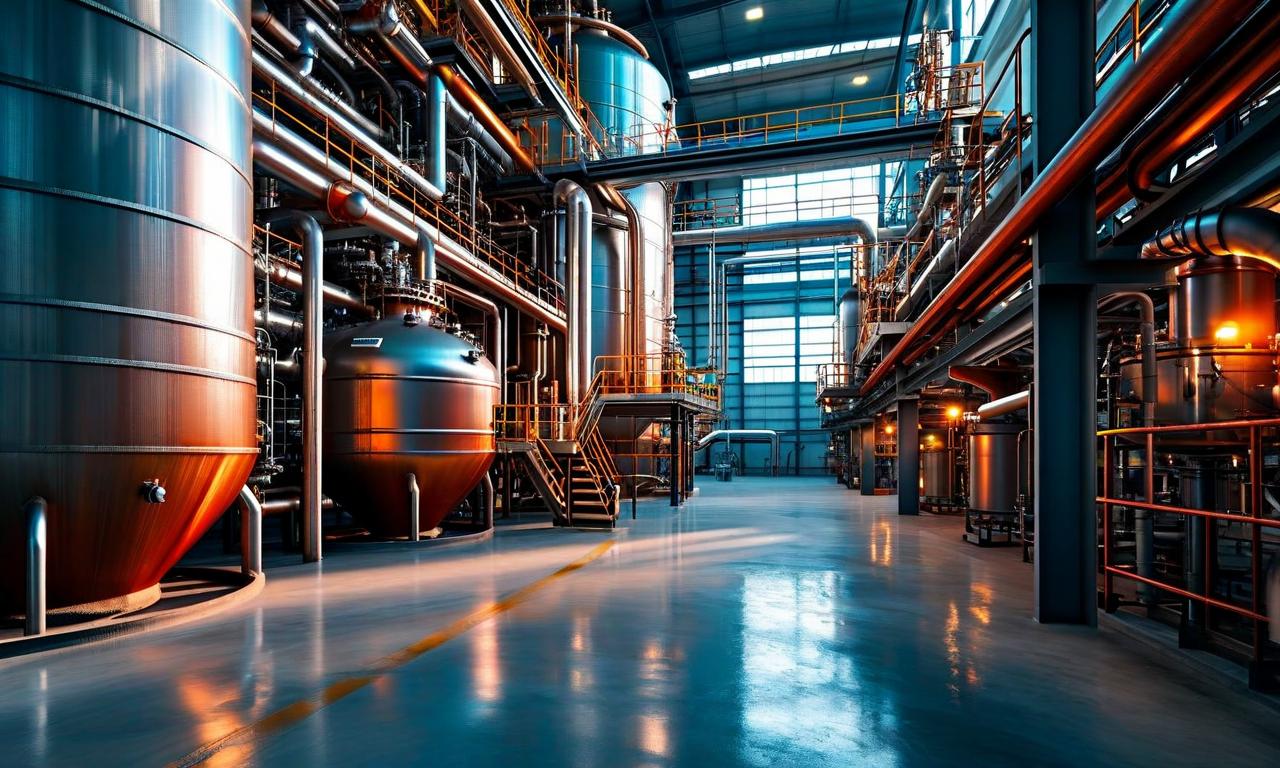
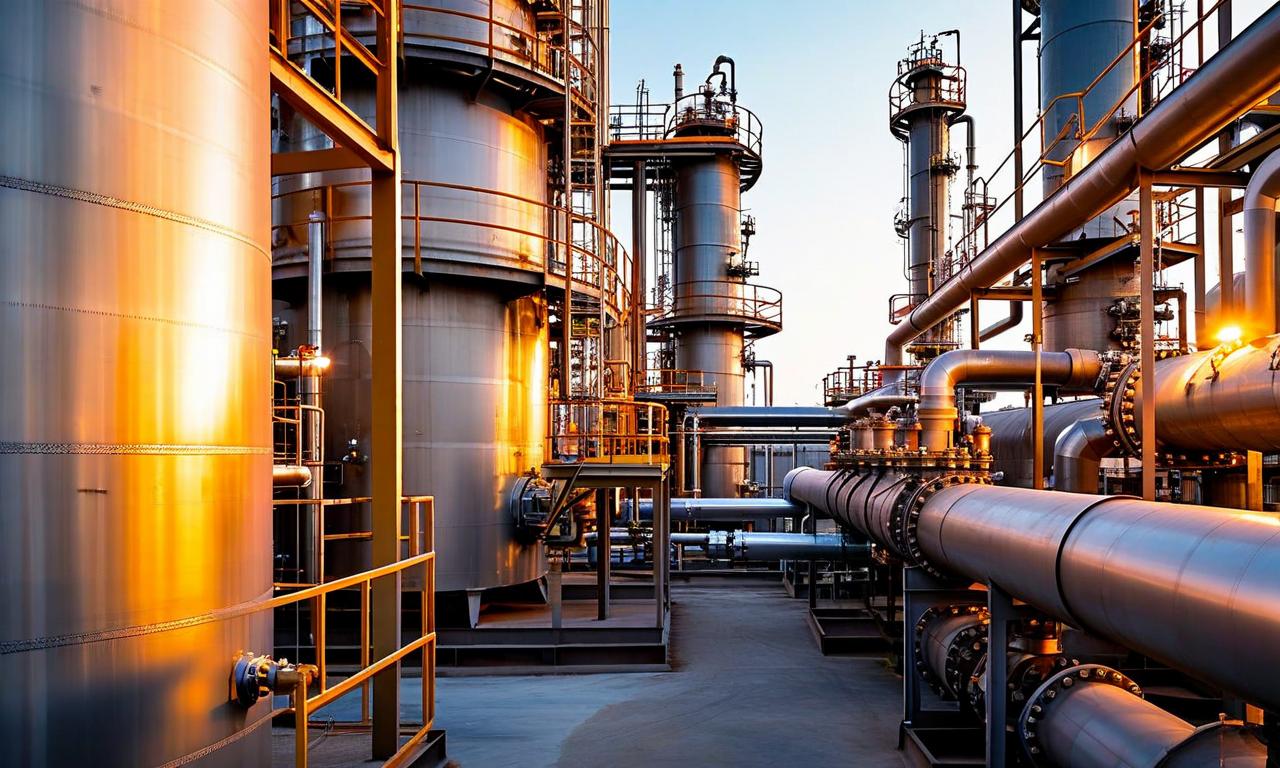
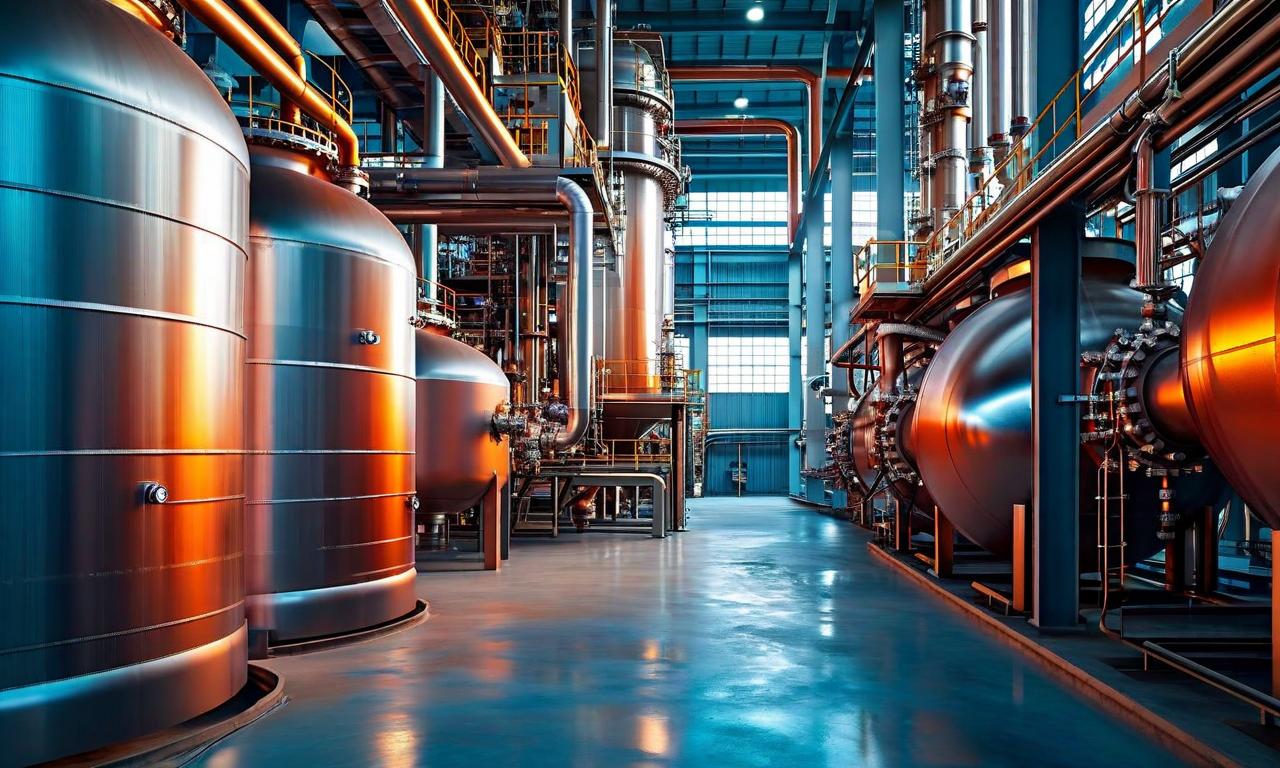
*this image is generated using AI for illustrative purposes only.
Balaji Amines has successfully commissioned its Dimethyl Ether (DME) plant at Unit-IV in Chincholi MIDC, Solapur, commencing commercial production on May 20, 2026. With this development, the company has become the first in India to manufacture DME on a commercial scale, marking a significant milestone in the domestic specialty chemicals sector.
Plant Details and Production Capacity
The newly established facility utilizes advanced technology and has an annual production capacity of 1,00,000 Metric Tonnes. The following table outlines the key parameters of the newly commissioned DME facility:
| Parameter: | Details |
|---|---|
| Facility Location: | Unit-IV, Chincholi MIDC, Solapur |
| Product: | Dimethyl Ether (DME) |
| Production Capacity: | 1,00,000 TPA |
| Market Focus: | Domestic |
| Industry First: | First DME Manufacturer in India |
Strategic Significance and Applications
The commencement of DME production carries notable strategic importance for India's energy sector. DME is recognized as a clean and efficient alternative fuel that can be blended with LPG. The Bureau of Indian Standards (BIS) has recently published a new IS Code permitting DME to be blended with LPG up to 8%. By producing DME domestically, the initiative aligns with broader goals of import substitution and reducing India's reliance on LPG imports.
Initially, Balaji Amines will focus on catering to the aerosol industry and other commercial applications for heating and fuel. The company faced challenges in obtaining statutory approvals, including PESO permissions, due to the absence of adequate Indian Standards, which required the adoption of international standards for storage, handling, and transportation.
Future Outlook in EV Battery Chemicals
Beyond DME, the company is expanding its footprint in the EV battery chemicals space. Management highlighted its strategy to evolve into a major player by repurposing existing plants for new-age chemicals. Key opportunities include:
- Dimethyl Carbonate (DMC) - Electronic Grade: Extensively used in EV battery electrolytes, Balaji Amines is the sole manufacturer in India with an installed capacity of 15,000 MTPA.
- N-Methyl Pyrrolidone (NMP) - Electronic Grade: Manufactured by the company for over two decades, it has now been developed for EV battery grade solvents to serve upcoming Giga Watt capacities.
Historical Stock Returns for Balaji Amines
| 1 Day | 5 Days | 1 Month | 6 Months | 1 Year | 5 Years |
|---|---|---|---|---|---|
| -2.11% | -0.38% | -17.78% | +103.94% | +51.91% | -53.80% |

How quickly could Balaji Amines scale up DME blending partnerships with LPG distributors, and what pricing dynamics might emerge as the sole domestic producer?
Will the new BIS IS Code permitting 8% DME-LPG blending be revised upward over time, and how would higher blending limits impact Balaji Amines' revenue potential from its 1,00,000 TPA capacity?
As India's EV battery manufacturing capacity grows toward gigawatt scale, how might Balaji Amines' combined DMC and NMP electronic-grade offerings position it competitively against potential new domestic entrants or imports?
 20
20





 Create Custom Screeners
  Access 200+ Pre-built Filters
  Use 50+ Readymade Screener





