

Baidu Q2FY26 Results: AI Cloud revenue up 50%, GPU sales surge 283%


- Baidu Q2 2026 revenue reached RMB 31.3 billion with operating income of RMB 3.0 billion
- AI Cloud Infra revenue surged 50% YoY, driven by a 283% jump in GPU Cloud sales
- General Business revenue fell 4% YoY to RMB 25.2 billion as AI powered half of the segment
- Apollo Go completed 1 million fully driverless rides in Q2, expanding globally to Hong Kong and Dubai
- Board approved dual primary listing on Hong Kong Stock Exchange to broaden investor base

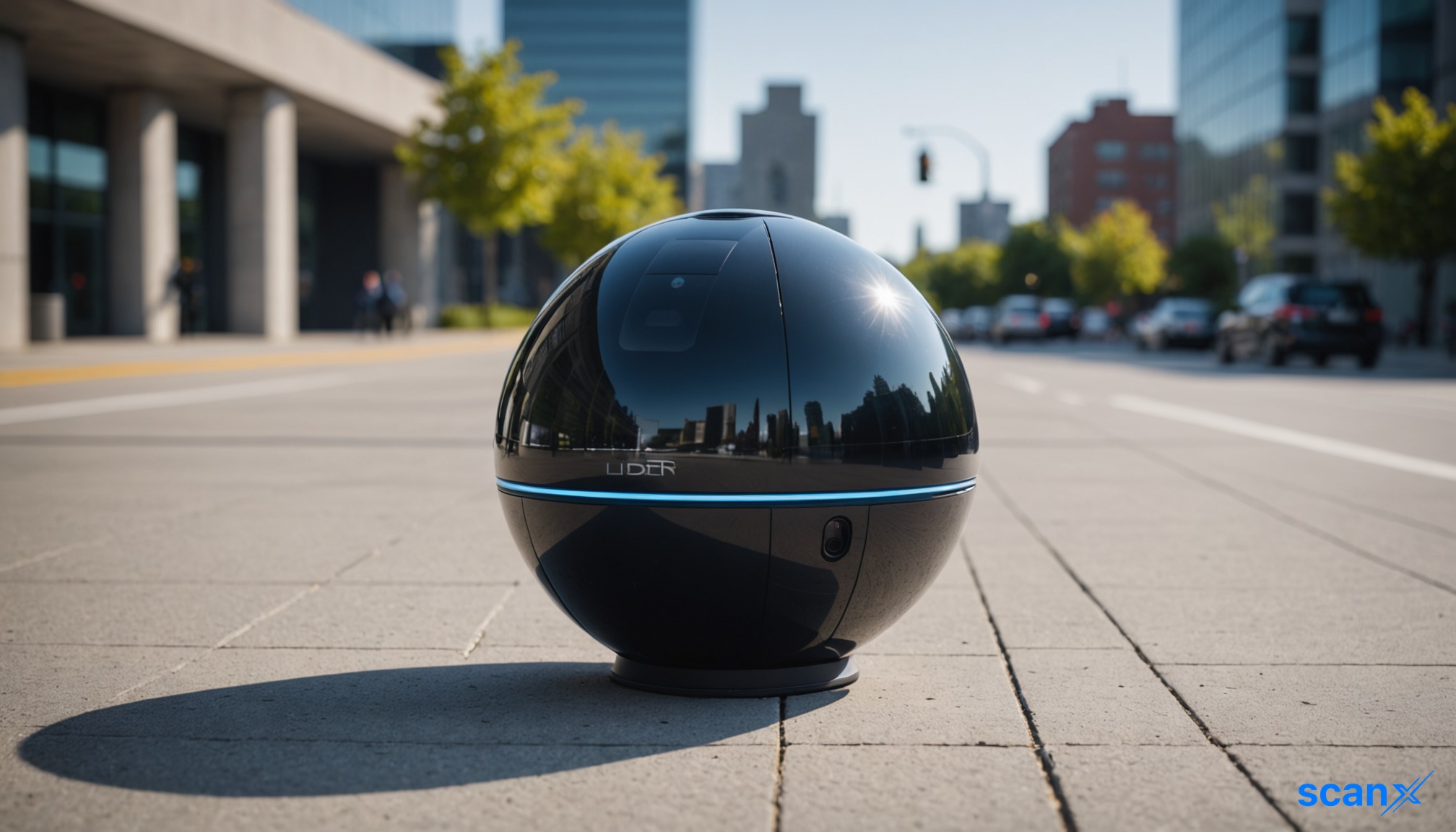

*this image is generated using AI for illustrative purposes only.
Baidu Inc (NASDAQ: BIDU) reported second-quarter 2026 revenue of RMB 31.3 billion, with AI Cloud Infra revenue growing 50% year over year. The tech giant’s operating income reached RMB 3.0 billion, reflecting a 10% operating margin.
Financial Performance
The company’s General Business segment generated RMB 25.2 billion in revenue, marking a 4% year-over-year decrease. Despite the decline in general business, AI-powered operations now represent half of Baidu’s General Business revenue. Non-GAAP operating income stood at RMB 3.8 billion, corresponding to a 12% margin.
| Metric | Q2 2026 Value | Change |
|---|---|---|
| Total Revenue | RMB 31.3 billion | - |
| General Business Revenue | RMB 25.2 billion | Down 4% YoY |
| AI Cloud Infra Revenue Growth | - | Up 50% YoY |
| Operating Income | RMB 3.0 billion | Margin 10% |
| Non-GAAP Operating Income | RMB 3.8 billion | Margin 12% |
What the Numbers Show
A clear divergence exists between Baidu’s legacy and growth segments. While General Business revenue contracted by 4%, AI Cloud Infra revenue expanded by 50%. This suggests that AI-related activities are increasingly offsetting declines in traditional business lines, reinforcing management’s claim that AI-powered business now constitutes half of General Business revenue. The shift toward higher-margin GPU Cloud services is likely supporting the stability of overall operating margins despite the top-line pressure in general business.
AI Cloud and Infrastructure
AI Cloud Infra revenue growth was primarily driven by GPU Cloud, which surged 283% year over year, accelerating from 184% growth in the previous quarter. This segment accounts for a growing share of AI Cloud Infra revenue, benefiting from strong demand for scalable AI compute in the public cloud. The company noted that this mix shift toward GPU Cloud, which carries a more attractive margin profile than traditional CPU cloud, is strengthening long-term profitability.
Additionally, revenue from external customers’ token usage on the Qianfan MAS platform grew more than ninefold year over year in Q2. Demand remained broad-based across industries including internet, embodied AI, and autonomous driving. Embodied AI revenue specifically grew approximately sixfold year over year.
Autonomous Driving and Applications
Apollo Go, Baidu’s autonomous ride-hailing service, delivered around 1 million fully driverless operational rides in Q2. Cumulative rides provided to the public exceeded 23 million as of June 2026. The service achieved significant global milestones, including receiving Hong Kong’s first permits for fully driverless testing and launching fully driverless commercial operations in Dubai.
In consumer applications, ERNIE Assistant’s daily active users grew 83% year over year in June, while daily average conversation rounds more than tripled. Miao Da, the code-generation platform, saw monthly active users increase by 67% in June compared to March.
Strategic Developments
Baidu’s board approved a conversion to a dual primary listing on the Hong Kong Stock Exchange, expected to enhance share liquidity and broaden the investor base. The company also advanced its proprietary AI chips, Kunlunxin, which saw robust demand and expanded compatibility with leading models including Kimi EK3 and GLM 5.2.

How will the 283% surge in GPU Cloud revenue impact Baidu's long-term profitability margins compared to traditional CPU cloud services?
What are the primary regulatory or operational hurdles Baidu faces in scaling Apollo Go's driverless services from Hong Kong and Dubai to broader global markets?
Can the rapid adoption of ERNIE Assistant and Miao Da translate into sustainable monetization strategies, or will these remain primarily user-acquisition tools?
 20
20









 Create Custom Screeners
  Access 200+ Pre-built Filters
  Use 50+ Readymade Screener





