

AVITA Medical’s PermeaDerm shows 70% cost advantage over allograft in trial


AVITA Medical reported positive Phase II results for PermeaDerm, showing it costs 70% less than allograft while delivering equivalent clinical outcomes. The study highlighted a 95.7% reduction in preparation time due to off-the-shelf availability. No adverse events were linked to the product, and patient satisfaction was high.

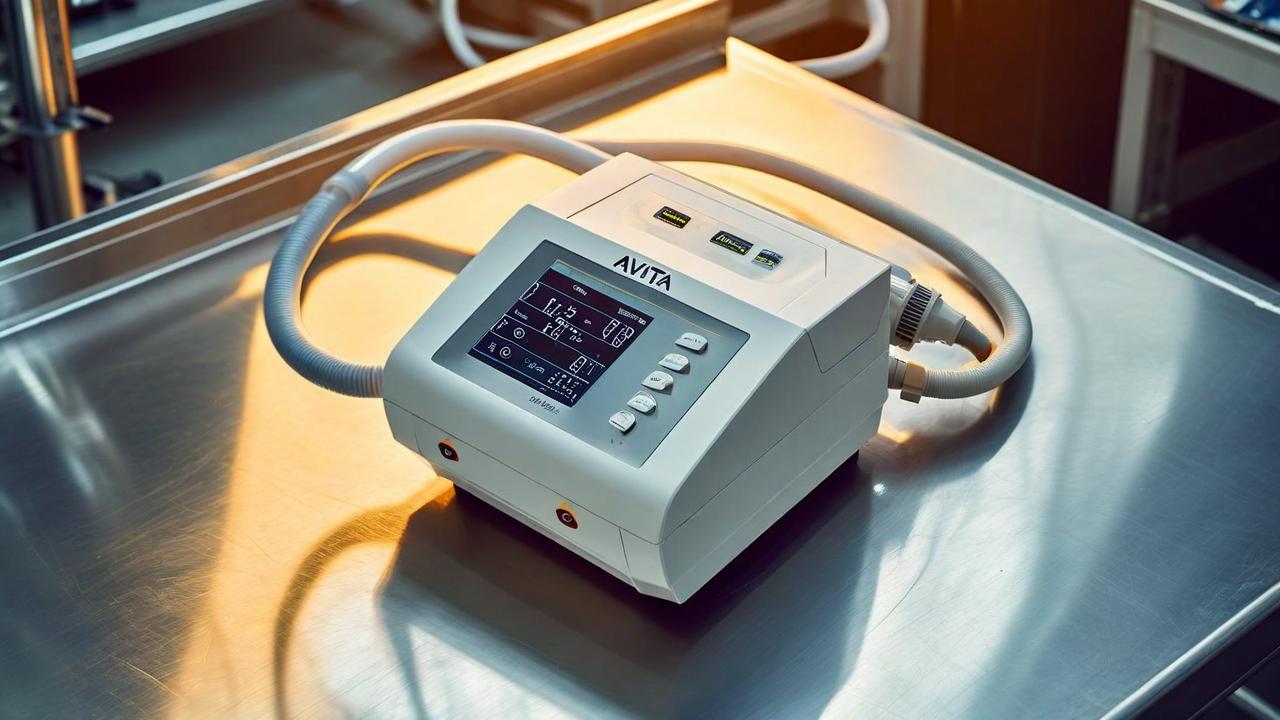

*this image is generated using AI for illustrative purposes only.
AVITA Medical, Inc. (NASDAQ: RCEL, ASX: AVH) announced positive results from its multicenter, randomized controlled PermeaDerm-I clinical study on August 18, 2026. The data demonstrates that PermeaDerm, a biosynthetic wound matrix, provides clinically comparable outcomes to cadaveric allograft while offering a significant economic advantage for hospitals treating acute wounds.
The study met its primary endpoint, showing statistically significant superiority (p<0.001) for mean cost per percent total body surface area (%TBSA) treated. Mean treatment cost was $148.70 for every 1% TBSA treated with PermeaDerm compared with $497.10 for allograft. This represents a savings of approximately $348 per %TBSA, equating to a 70% reduction in product cost.
What the Numbers Show
The cost differential is driven by both unit pricing and operational efficiency. While the per-unit cost difference accounts for the majority of the savings, the elimination of preparation steps further enhances the economic profile. PermeaDerm reduced preparation time by 95.7% compared with allograft by eliminating tissue tracking, thawing, and meshing requirements. This operational simplification allows for off-the-shelf availability without compromising application time in the operating room.
| Metric | PermeaDerm | Allograft | Difference |
|---|---|---|---|
| Mean Cost per %TBSA | $148.70 | $497.10 | -$348.40 |
| Preparation Time Reduction | N/A | Baseline | 95.7% |
| Graft Take (>95%) | ~94% | Comparable | Comparable |
| Wound Healing (8 weeks) | 100% | 100% | None |
Clinical outcomes remained comparable between treatment groups. Approximately 94% of PermeaDerm patients achieved at least 95% graft take one week following autografting, matching allograft performance. All patients in both groups achieved 95% or greater wound healing by eight weeks. No adverse events were attributed to PermeaDerm during the study.
The randomized controlled study enrolled 40 patients across 11 U.S. burn centers with wounds involving up to 30% TBSA. Following excision, patients were randomized to receive either PermeaDerm or cadaveric allograft during the temporization period before definitive split-thickness skin grafting. At final follow-up, all responding investigators and patients reported satisfaction, with responses rated as satisfied or very satisfied.
"Temporary wound coverage is a critical step between excision and definitive closure when a wound bed is not yet ready for autograft placement," said Anju Saraswat, MD, Associate Burn Director and Assistant Professor of Surgery at Atrium Health Wake Forest Baptist Burn Center and study investigator. "These results demonstrate that PermeaDerm provided clinical performance comparable to allograft with the added benefit of product transparency enabling direct visualization of the wound bed."
Cary Vance, President and Chief Executive Officer of AVITA Medical, stated that the study establishes compelling clinical and economic evidence supporting PermeaDerm as a modern alternative to allograft. He noted that combining comparable clinical performance with meaningful economic value and a simpler workflow addresses an important need for hospitals while strengthening the company’s differentiated acute wound care portfolio.
AVITA Medical will host a Key Opinion Leader webinar featuring Dr. Anju Saraswat and Dr. Christina Sharon, Burn and Acute Care Surgeon at Baton Rouge General, to review the clinical data. The event is scheduled for Tuesday, August 18, 2026, at 4:30 p.m. Eastern Time.

How might the 70% cost reduction demonstrated in the PermeaDerm-I study influence hospital procurement strategies and market share for cadaveric allograft suppliers?
What are the regulatory pathways and timeline expectations for AVITA Medical to expand PermeaDerm's indications beyond acute burn wounds to other chronic wound categories?
Will payers and insurance providers adjust reimbursement codes to reflect the operational efficiencies and lower product costs associated with PermeaDerm compared to traditional allografts?
 17








 Access Market Heat-map & Insights
 Create, Save & Share your Screener
 Use 200+ Screening Filters





