

Automotive Stampings & Assemblies net profit surges 85% in Q1FY27


Automotive Stampings & Assemblies posted strong Q1FY27 results with net profit jumping 85% to ₹4.69 crore on a 46% revenue surge. Despite top-line growth, EBITDA margins compressed due to rising material costs, signaling potential pressure on profitability if input prices remain elevated.

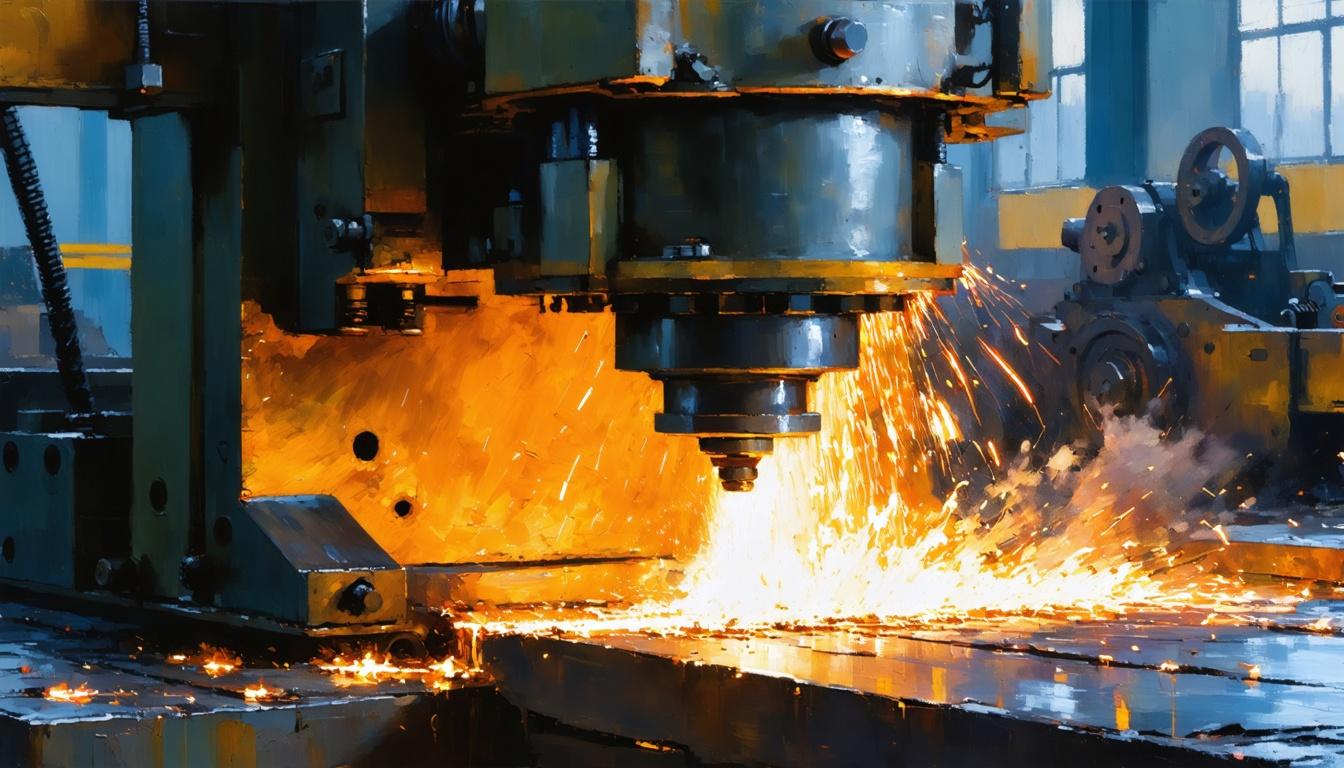

*this image is generated using AI for illustrative purposes only.
Automotive Stampings & Assemblies reported an 85% year-on-year increase in net profit for the quarter ended June 30, 2026 (Q1FY27), rising to ₹4.69 crore from ₹2.54 crore in the corresponding period of the previous year. The bottom-line improvement was driven by a robust 46% surge in revenue from operations, which climbed to ₹253.32 crore from ₹173.07 crore, reflecting strong demand and operational momentum in the automotive components sector. This performance underscores the company’s ability to scale operations effectively, although margin pressures indicate rising input costs.
The Board of Directors approved the unaudited financial results on July 24, 2026, following a limited review by statutory auditors B S R & Co. LLP under Regulation 33 of the SEBI (Listing Obligations and Disclosure Requirements) Regulations, 2015. The results were prepared in accordance with Indian Accounting Standard 34 (Ind AS 34) and other generally accepted accounting principles in India. Company Secretary Krishna Dayma confirmed the publication of results in "Financial Express" and "Loksatta" on July 25, 2026, pursuant to Regulation 47(3) of the SEBI LODR Regulations.
Revenue and Profitability Performance
Revenue from operations expanded significantly to ₹253.32 crore in Q1FY27, compared to ₹173.07 crore in Q1FY26. This top-line growth was supported by higher material consumption and inventory adjustments, though it also led to increased operating costs. Other income remained relatively stable at ₹0.58 crore, up slightly from ₹0.53 crore in the year-ago quarter.
| Metric: | Q1FY27 | Q1FY26 | Change (YoY) |
|---|---|---|---|
| Revenue from Operations: | ₹253.32 crore | ₹173.07 crore | +46% |
| Net Profit: | ₹4.69 crore | ₹2.54 crore | +85% |
| EBITDA: | ₹14.13 crore | ₹10.81 crore | +31% |
| EBITDA Margin: | 5.58% | 6.25% | -67 bps |
Margin Contraction Amid Volume Growth
Despite the substantial growth in absolute earnings, the company’s EBITDA margin narrowed to 5.58% in Q1FY27 from 6.25% in Q1FY26. EBITDA rose to ₹14.13 crore from ₹10.81 crore, indicating that while core operational earnings improved, they did not keep pace with the rapid revenue expansion. This margin compression suggests that cost of materials consumed, which rose to ₹184.25 crore from ₹131.87 crore, grew at a faster rate than sales.
Profit before tax stood at ₹6.26 crore, compared to ₹2.54 crore in the previous year’s quarter. Tax expense was recorded at ₹1.58 crore, comprising ₹0.07 crore in current tax and ₹1.50 crore in deferred tax. The net profit per share (basic and diluted) was ₹2.95, up from ₹1.60 in Q1FY26.
What the Numbers Show
The divergence between revenue growth (46%) and EBITDA growth (31%) highlights a volume-driven performance where pricing power or cost efficiencies have not fully offset the higher input costs. While the near-doubling of net profit demonstrates significant operational leverage, the declining EBITDA margin warrants monitoring to ensure that future revenue gains translate proportionally into operating cash flows. The company continues to operate as a single business segment without any subsidiaries, associates, or joint ventures.
Historical Stock Returns for Automotive Stampings & Assemblies
| 1 Day | 5 Days | 1 Month | 6 Months | 1 Year | 5 Years |
|---|---|---|---|---|---|
| +1.66% | -0.95% | -8.70% | -8.55% | -23.01% | +416.39% |

How does management plan to mitigate the rising input costs that caused EBITDA margins to contract by 67 basis points despite a 46% revenue surge?
Will the company pursue strategic pricing adjustments or supplier renegotiations in Q2FY27 to restore margin levels to pre-Q1FY27 standards?
Given the strong demand momentum, are there plans to expand production capacity or invest in automation to improve operational leverage and cost efficiency?
 17
17




 Access 50+ Readymade Screeners
  Use 200+ Custom Filters
  Get Full Market Insights





