

Arvind Limited files FY26 sustainability report with 87% sustainable cotton sourcing


- Arvind Limited filed its FY26 BRSR, reporting 87% sustainable cotton sourcing
- Renewable energy usage reached 43%, exceeding the 40% target set for 2025
- All manufacturing facilities achieved zero freshwater consumption for operations
- Total water withdrawal decreased to 2,379,724 kilolitres from 2,684,427 kilolitres
- Scope 2 emissions declined to 174,213 metric tonnes CO2 equivalent

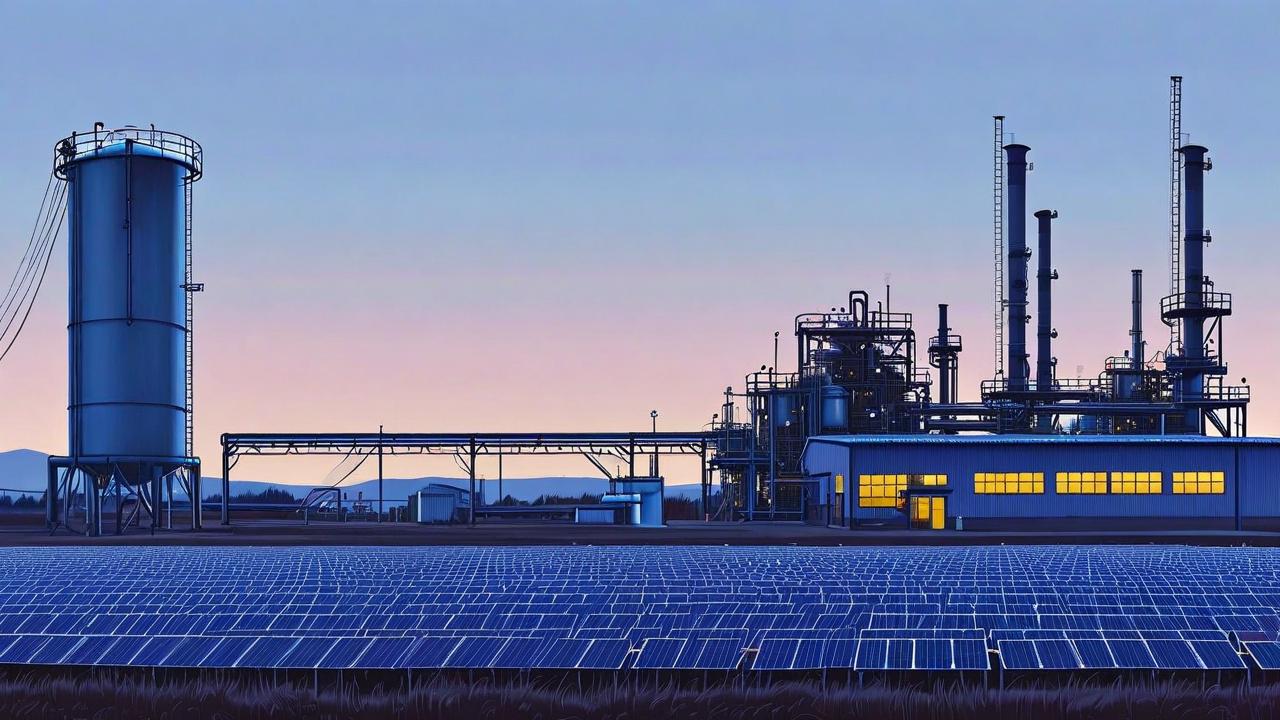

*this image is generated using AI for illustrative purposes only.
Arvind Limited filed its Business Responsibility and Sustainability Report (BRSR) for FY26 on August 26, 2026. The disclosure details the company's progress toward environmental and social governance targets across its textile operations.
The report covers standalone operations, with limited assurance provided by Intertek India Private Limited. Arvind operates 12 plants and six offices nationally, serving markets in 14 states and 62 countries. Exports contributed 38% of total turnover during the reporting period.
Sustainable Sourcing and Energy Mix
Arvind achieved significant milestones in sustainable material procurement. 87% of the cotton sourced in FY26 was sustainable, surpassing the target of 50% set for 2025. Additionally, 87% of this sustainable cotton originated from small and medium holder farmers, exceeding the 50% target for this demographic.
In energy management, the company reported that 43% of its energy usage came from renewable sources, exceeding its 40% target for 2025. Total energy consumption rose to 6,452.00 TJ from 6,187.58 TJ in FY25. Renewable energy consumption increased to 2,523.7 TJ, while non-renewable consumption stood at 3,928.3 TJ.
Water Management and Waste
All facilities achieved zero freshwater use for manufacturing operations, meeting the 2025 target. Total water withdrawal decreased to 2,379,724 kilolitres from 2,684,427 kilolitres in FY25. Water consumption fell to 2,356,210 kilolitres. Total water discharged dropped significantly to 23,513 kilolitres from 38,443 kilolitres.
Waste generation increased to 42,199 metric tonnes from 34,493 metric tonnes. Of this, 27,164 metric tonnes were recovered through recycling or reuse. Hazardous waste disposal via landfilling rose to 15,064 metric tonnes from 10,899 metric tonnes.
Greenhouse Gas Emissions
Scope 1 emissions increased slightly to 256,769 metric tonnes of CO2 equivalent from 253,283 metric tonnes. Scope 2 emissions declined to 174,213 metric tonnes from 190,808 metric tonnes. Combined Scope 1 and Scope 2 emission intensity per rupee of turnover rose to 6.03E-06 MT CO2e/rupee from 5.82E-06 MT CO2e/rupee.
What the Numbers Show
While total energy consumption increased by approximately 4.3% year-on-year, renewable energy consumption grew by roughly 10.1%. This divergence indicates a deliberate shift in the energy mix toward cleaner sources, supporting the reported increase in renewable share from previous periods despite higher overall operational energy demand.
Human Capital and Safety
The company employed 3,733 permanent employees and 35,139 workers. Permanent employee turnover rate rose to 37% from 24% in FY25. Permanent worker turnover increased to 73% from 84%.
Safety metrics showed mixed results. The Lost Time Injury Frequency Rate (LTIFR) for workers increased to 0.69 per million person-hours worked from 0.43. However, total recordable work-related injuries for workers dropped sharply to 28 from 367. No fatalities were reported for either employees or workers.
Historical Stock Returns for Arvind
| 1 Day | 5 Days | 1 Month | 6 Months | 1 Year | 5 Years |
|---|---|---|---|---|---|
| +1.93% | +2.98% | -4.52% | +35.26% | +76.91% | 0.0% |

How might the 37% permanent employee turnover rate impact Arvind Limited's ability to maintain its high standards for sustainable sourcing and operational efficiency in FY27?
Given the rise in hazardous waste landfilling despite overall waste recovery efforts, what specific technological or process changes is Arvind planning to implement to reduce reliance on landfill disposal?
With exports contributing 38% of turnover, how will evolving international ESG regulations and carbon border taxes affect Arvind's competitive positioning in its 62 export markets?











 Access Market Heat-map & Insights
  Create, Save & Share your Screener
  Use 200+ Screening Filters





