

Apollo Tyres cuts Scope 1 and 2 emissions 11.5% in FY26


Apollo Tyres Ltd filed its Business Responsibility and Sustainability Report for FY26, disclosing an 11.5% reduction in absolute Scope 1 and 2 emissions against a FY25 baseline. Renewable electricity accounted for 43.9% of total power consumption, moving towards a 50% target by 2030. The company also reported a 30.3% improvement in water withdrawal intensity and maintained a workforce of 15,027, with zero fatalities recorded during the year.


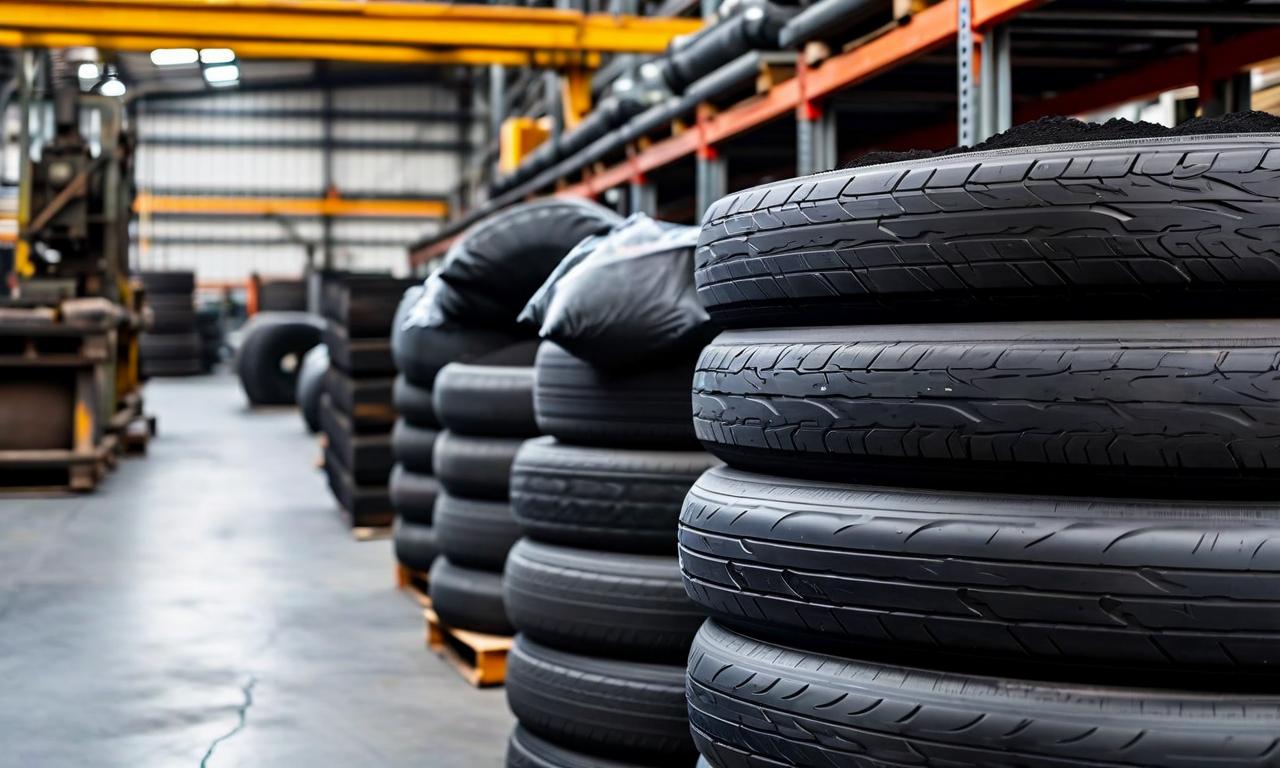
*this image is generated using AI for illustrative purposes only.
Apollo Tyres Ltd reported an 11.5% reduction in absolute Scope 1 and Scope 2 emissions in FY26 compared to the FY25 baseline, advancing its commitment to Net Zero by FY50. The company disclosed that renewable electricity constituted 43.9% of its total power consumption during the year, progressing towards its target of 50% by 2030. The filing includes an Independent Practitioner’s Reasonable Assurance Report on identified sustainability information provided by M/s. S.R. Batliboi & Co. LLP, Chartered Accountants.
The company has set a target to reduce absolute Scope 1 and 2 GHG emissions by 58.8% by FY35 from a FY25 base year. Additionally, Apollo Tyres aims to reduce Scope 3 GHG emissions by 37.5% by FY35 from the FY25 base year. The report highlights that the company recorded a 30.3% improvement in water withdrawal intensity during the year, advancing towards its FY30 target of a 40% improvement.
Operational and Workforce Metrics
The reporting boundary for FY26 was revised to exclude the workforce of PTL Enterprises Ltd., as it is a separate legal entity. As of the end of FY26, the company had a total workforce of 15,027, comprising 2,496 employees and 12,531 workers. Women accounted for 8.73% of the total employee strength and 5.27% of the total workforce. The company reported zero fatalities for employees and workers during the financial year.
Environmental Performance
Apollo Tyres implemented Zero Liquid Discharge (ZLD) mechanisms at its manufacturing facilities, ensuring no wastewater is discharged externally. The company fulfilled its Extended Producer Responsibility (EPR) obligation for 232 metric tonnes of plastic waste during FY26. In terms of product lifecycle, the company conducted Life Cycle Assessments for several products, including ENDURACE LD, AMAZER 4G, and ALNAC 4G.
Key Sustainability Targets and Progress
The following table outlines the company's key sustainability targets and progress for FY26:
| Target | Goal | Progress/Status in FY26 |
|---|---|---|
| Net Zero | Achieve Net Zero by FY50 | Ongoing commitment |
| Scope 1 & 2 Emissions | Reduce 58.8% by FY35 (FY25 base) | 11.5% reduction achieved in FY26 |
| Renewable Electricity | Source 50% by 2030 | 43.9% achieved in FY26 |
| Water Intensity | Improve 40% by FY30 (FY19 base) | 30.3% improvement achieved in FY26 |
| Sustainable Raw Material | Use 40% by 2030 | Ongoing initiatives |
Governance and Assurance
The Business Responsibility and Sustainability Report (BRSR) undergoes annual scrutiny by the Business Responsibility and Sustainability Committee (BRSC). The independent assessment of the BRSR Core and Sustainability Report was carried out by M/s. S.R. Batliboi & Co. LLP. The assurance report confirmed that the identified sustainability information for the year ended March 31, 2026, was prepared in all material respects in accordance with the criteria, including Regulation 34(2)(f) of the SEBI (Listing Obligations and Disclosure Requirements) Regulations, 2015.
Historical Stock Returns for Apollo Tyres
| 1 Day | 5 Days | 1 Month | 6 Months | 1 Year | 5 Years |
|---|---|---|---|---|---|
| +0.01% | -0.23% | -8.74% | -1.83% | -14.42% | +79.33% |

What specific capital expenditures or technological investments are required to bridge the gap from the current 43.9% renewable electricity usage to the 50% target by 2030?
How does Apollo Tyres plan to address Scope 3 emissions, which often represent the largest portion of a manufacturer's carbon footprint, to meet the 37.5% reduction target by FY35?
With the exclusion of PTL Enterprises Ltd. from the reporting boundary, how will this impact the comparability of future sustainability data against previous years' baselines?
 19
19








 Access 50+ Readymade Screeners
  Use 200+ Custom Filters
  Get Full Market Insights





