

Ambuja Cements Q4 FY26 Earnings Call: Record Volumes, Cost Pressures, and Strategic Reset


Ambuja Cements' Q4 FY26 earnings call highlighted record FY26 volumes of 73.7 million tonnes and normalized EBITDA of ₹6,539 crores, offset by cost pressures from acquired assets, freight, and packaging. Management guided for ₹250/tonne cost reduction in FY27 to ₹4,250/tonne average, 80 million tonnes volume target, and a recalibrated capex of ₹6,000–₹6,500 crores, with longer-term capacity targets pushed to approximately FY30.


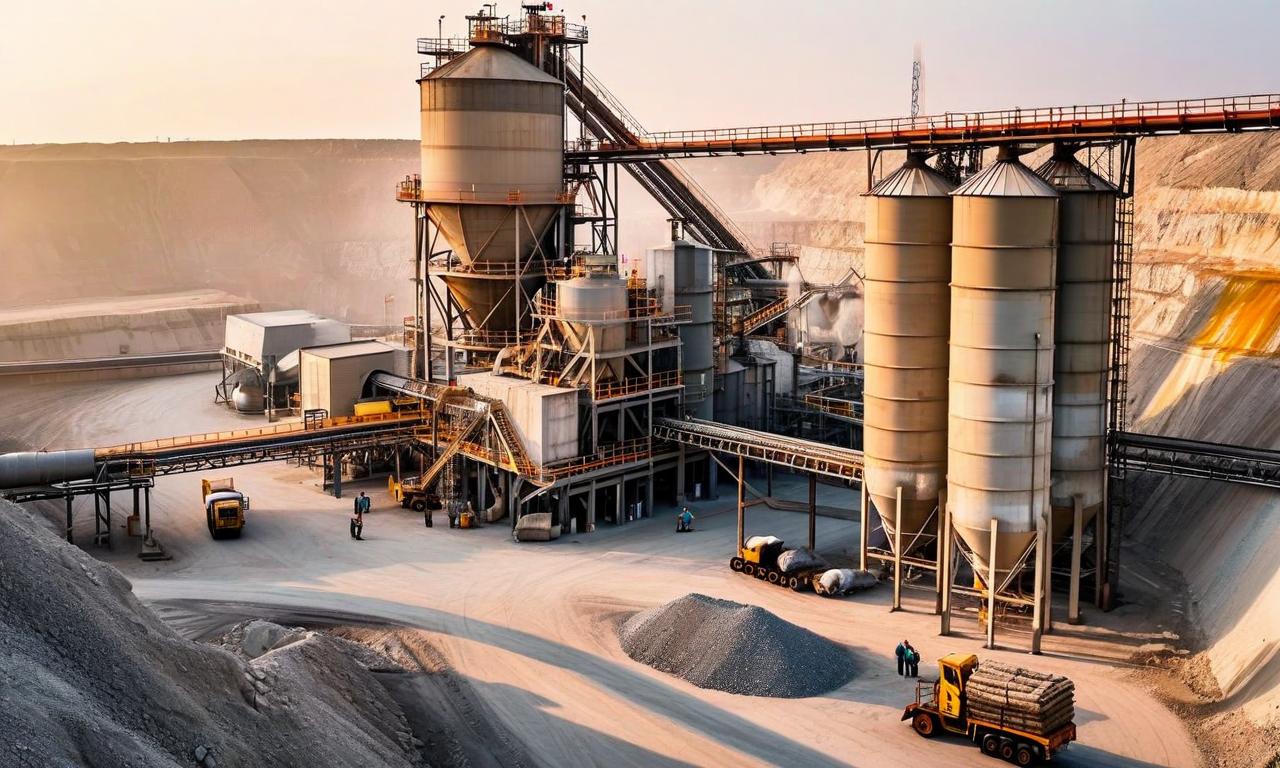
*this image is generated using AI for illustrative purposes only.
Ambuja Cements held its Q4 FY26 earnings conference call on May 04, 2026, hosted by JM Financial Institutional Securities Limited. The call, which also covered ACC Ltd and Orient Cement as part of the consolidated Adani cement portfolio, featured key management including Director Mr. Karan Adani, CEO Mr. Vinod Bahety, CFO Mr. Rohit Soni, and Head of Investor Relations Mr. Deepak Balwani. The discussion covered FY26 financial performance, cost challenges, capacity expansion, and a recalibrated strategic outlook for FY27 and beyond.
FY26 Financial and Operational Highlights
Ambuja Cements reported its highest-ever annual sales volume for FY26, driven by strong execution across its expanded portfolio. The company described FY26 as a year of resilience for the Indian cement sector, marked by industry consolidation, GST 2.0 reforms, adverse weather conditions, global geopolitical factors, and state elections that affected demand. The company remains debt-free and holds the highest credit rating. The following table summarises the key financial metrics for FY26:
| Metric: | FY26 Performance | YoY Change |
|---|---|---|
| Annual Sales Volume: | 73.7 million tonnes | +16% |
| Normalized EBITDA: | ₹6,539 crores | +31% |
| EBITDA per Metric Tonne: | ₹887 | +12% |
| PAT: | ₹2,647 crores | +17% |
| Cement Capacity: | 109 million tonnes | — |
| New Grinding Capacity Commissioned: | 10.7 million tonnes | — |
| Additional Clinker Capacity (Jodhpur & Bhatapara): | 7 million tonnes | — |
| Green Power Share (Q4): | 32% | Up from 26% |
| Trade Sales Share (Q4): | 74% | Up from 68% in Q3 FY26 |
| Premium Cement (% of Trade Sales, FY26): | 35% | — |
| Premium Cement (% of Trade Sales, Q4): | 36% | — |
| Full Year RMX EBITDA: | ₹300 crores | — |
| Full Year Branding & Advertisement Cost: | ₹70 per tonne | — |
| Capex (FY26): | ~₹7,500 crores | — |
Management noted that FY25 and FY26 are not comparable on a like-for-like basis, as FY25 does not include Orient Cement, while Penna Cement was consolidated from August 16, 2025 (7.5 months in FY25 versus 12 months in FY26), and Orient Cement was consolidated for only 11 months in FY26. The finalized purchase price allocation for Orient Cement and Penna Cement has now been incorporated into the consolidated balance sheet, replacing the provisional basis used through December, resulting in marginal changes in balance sheet classification of goodwill and other intangible assets, as well as changes in depreciation and deferred tax accounting in the P&L.
Cost Structure and Q4 FY26 Pressures
The Q4 FY26 cost per tonne came in at approximately ₹4,500, against a full-year FY26 average of ₹4,400 per tonne — approximately 10% higher than the company's own internal target. Management attributed this to multiple factors:
- Higher freight costs due to increased primary and secondary sale lead distances
- Additional goods tax in certain states, including Himachal Pradesh
- Higher packing costs driven by the West Asia conflict, particularly in March
- Higher fuel costs due to above-expected heat consumption, especially at acquired assets
- Increased branding and sales promotion costs as the company accelerated its trade sales and premium cement push
- Higher repairs and maintenance costs at acquired assets, particularly Penna Cement
- Lower government incentives due to revised GST rates and exhaustion of incentive periods at certain plants
Management clarified that the ₹4,100 per tonne figure referenced in earlier communications referred to the exit cost for the month of March on a normalized basis, excluding the approximately ₹250 per tonne escalation from the West Asia-related packaging cost spike. The Q4 FY26 quarter average cost of ₹4,500 per tonne was described as the peak, with management expressing confidence in a progressive reduction from this level. Q1 FY27 cost is expected to remain flattish at approximately ₹4,500 per tonne before the reduction journey accelerates through the remaining quarters.
During the Q&A, management also highlighted that the EBITDA of Ambuja and ACC, excluding acquired assets, would be approximately ₹800 per tonne or higher on a normalized basis, underscoring that the drag is concentrated in the recently acquired plants. Management also noted lower government incentives as a contributor to EBITDA pressure — a combination of lower GST rates, exhaustion of incentive periods at certain plants, and a shift to accruing incentives only on a certainty basis.
Acquired Assets: Utilisation and Turnaround
The turnaround of acquired assets — Sanghi Industries, Penna Cement, and Orient Cement — remained a key focus area. Sanghi and Penna together hold 19 million tonnes of capacity, and management targets at least 5% to 10% improvement in utilisation for these assets. For Sanghi, the base ramp-up model is anchored on marine infrastructure, with 7 vessels ordered for progressive delivery, rather than being dependent on the Naliya railway line. The following table outlines utilisation context and targets:
| Asset: | Current Utilisation | FY27 Target Utilisation |
|---|---|---|
| Sanghi Industries: | ~57% (cement capacity) | 65%–70% |
| Penna Cement: | ~46% | 55%–60% |
| Orient Cement: | Operating at full capacity | Full capacity |
| Ambuja & ACC (existing): | — | 75%–80% |
| Ambuja Consol (overall): | — | ~70%–75% |
Management acknowledged that turnaround initiatives have taken longer than expected, with Penna Cement in particular requiring higher-than-anticipated maintenance capex and upkeep. Breakdowns at acquired assets, especially Penna and Sanghi, were cited as a key contributor to elevated repairs and maintenance costs. Karan Adani noted that the company did not choose the right contractors for execution initially, projects were started without full engineering in place, and the team took time to build up — all factors that contributed to capex delays. The company has since used a six-month window to complete full engineering for new projects before committing to their start.
Capacity Expansion and Capex Outlook
Ambuja's cement capacity stood at 109 million tonnes as of FY26, with clinker capacity at 69 million tonnes. The company targets reaching approximately 119 million tonnes of total capacity by end of FY27, supported by ongoing grinding unit additions of approximately 10 million tonnes, including projects at Salai Banwa and Warisaliganj. An additional 4 million tonnes of clinker capacity is planned at Maratha, which would take clinker capacity to 73 million tonnes. Two new clinker projects — one at Mundra (2 million tonnes) and one in Assam (2 million tonnes) — are in the pipeline, with a targeted completion timeline of approximately 24 to 28 months.
| Period: | Capex Estimate |
|---|---|
| FY26 (Actual): | ~₹7,500 crores |
| FY27 (Estimate): | ₹6,000 crores–₹6,500 crores |
Management described a recalibrated approach to capacity expansion, prioritising optimisation of existing capacities, completion of ongoing projects, and disciplined capital allocation. The earlier capacity target of 155 million tonnes has been pushed back, with management indicating a revised timeline of approximately FY30 for longer-term targets. The project IRR threshold was stated at 18%, given the all-equity nature of the investments. Karan Adani confirmed that debottlenecking exercises of approximately 15 million tonnes across assets remain on the agenda, with timing to be determined based on maximum return on investment. On inorganic growth, management stated that organic development and greenfield expansion remain the number one priority, while inorganic opportunities continue to be evaluated.
On strategic recalibration of capacity locations, Karan Adani noted that grinding units at several integrated locations are being relocated closer to markets to reduce logistics costs — with particular focus on North UP, Bihar, Southern Gujarat, and Maharashtra. Sanghi is being repositioned predominantly as a clinker unit over the next three years, with new cement grinding capacity to be established on the coastal region of Gujarat, including Dahej Line 2 as a key example.
FY27 Outlook, Pricing, and Strategic Priorities
For FY27, Ambuja targets consolidated volumes of approximately 80 million tonnes, representing approximately 8% growth, against an expected industry growth of approximately 5% to 5.5%. Management guided for a cost reduction of ₹250 per tonne from the ₹4,500 per tonne peak, implying a full-year FY27 average cost target of approximately ₹4,250 per tonne. A further ₹250 per tonne reduction is targeted for FY28. Key cost savings are expected from improved fly ash sourcing, higher green energy utilisation, and better heat consumption at acquired plants, with management estimating ₹150 to ₹200 savings from raw material and green energy components alone. Karan Adani confirmed that the company is not moving away from its earlier long-term cost target of ₹3,650 per tonne, describing the ₹500 cumulative reduction over two years as the near-term committed milestone on that journey.
On pricing, management noted a modest improvement of approximately ₹10 per bag in April over March in select geographies, while acknowledging continued industry-wide difficulty in passing on cost increases to customers given subdued demand. The price gap between Ambuja's base product and its premium cement offering stands at approximately ₹20 to ₹25 per bag for premium and ₹50 to ₹55 per bag for super premium variants. The company's strategic priorities for FY27 include:
- Scaling trade sales and sustaining premium cement at approximately 36% of trade sales
- Improving reliability and utilisation at Penna and Sanghi
- Completing ongoing capacity additions and stabilising new assets
- Advancing the One Cement platform integration (amalgamation of ACC and Orient Cement with Ambuja is under process)
- Pursuing disciplined capital allocation with a focus on high-potential markets where the company has leadership positions
- Implementing SLA-based plant management contracts to improve operational efficiency and reduce legacy union-related issues
Karan Adani summarised the strategic reset candidly, stating that the company acknowledges it has not delivered on earlier commitments to shareholders, and that the revised guidance reflects what is fully within management's control to execute. He outlined five key internal KPIs: discipline on L1 plants delivering to respective markets, trade versus non-trade sales mix, raw material and energy consumption reduction, and strengthening the channel network.
Historical Stock Returns for Orient Cement
| 1 Day | 5 Days | 1 Month | 6 Months | 1 Year | 5 Years |
|---|---|---|---|---|---|
| +0.10% | +3.01% | -5.48% | -20.68% | -46.57% | 0.0% |

Given Ambuja's revised FY30 timeline for its 155 million tonne capacity target, how might accelerating consolidation among top Indian cement players like UltraTech and Shree Cement pressure the company's market share ambitions in the interim?
With the One Cement platform amalgamating ACC and Orient Cement into Ambuja still in process, what regulatory or shareholder approval hurdles could delay synergy realization, and how might minority shareholders of ACC respond?
If cement pricing remains subdued due to weak demand and the industry struggles to pass on cost increases, what is the realistic risk that Ambuja's FY27 EBITDA per tonne target of ~₹1,100–₹1,150 remains out of reach despite the ₹250/tonne cost reduction plan?
 17
17





 Create Custom Screeners
  Access 200+ Pre-built Filters
  Use 50+ Readymade Screener





