

Ambar Protein FY26 Results: Net profit falls 27% to ₹70.3 crore


- Revenue grew 18.7% YoY to ₹5,006.6 crore in FY26
- Net profit fell 27.2% to ₹70.3 crore due to margin pressure
- Inventories doubled to ₹386.7 crore; receivables halved to ₹101.8 crore
- No dividend declared for the fiscal year ended March 31, 2026
- AGM scheduled for September 30, 2026, to approve executive pay hikes


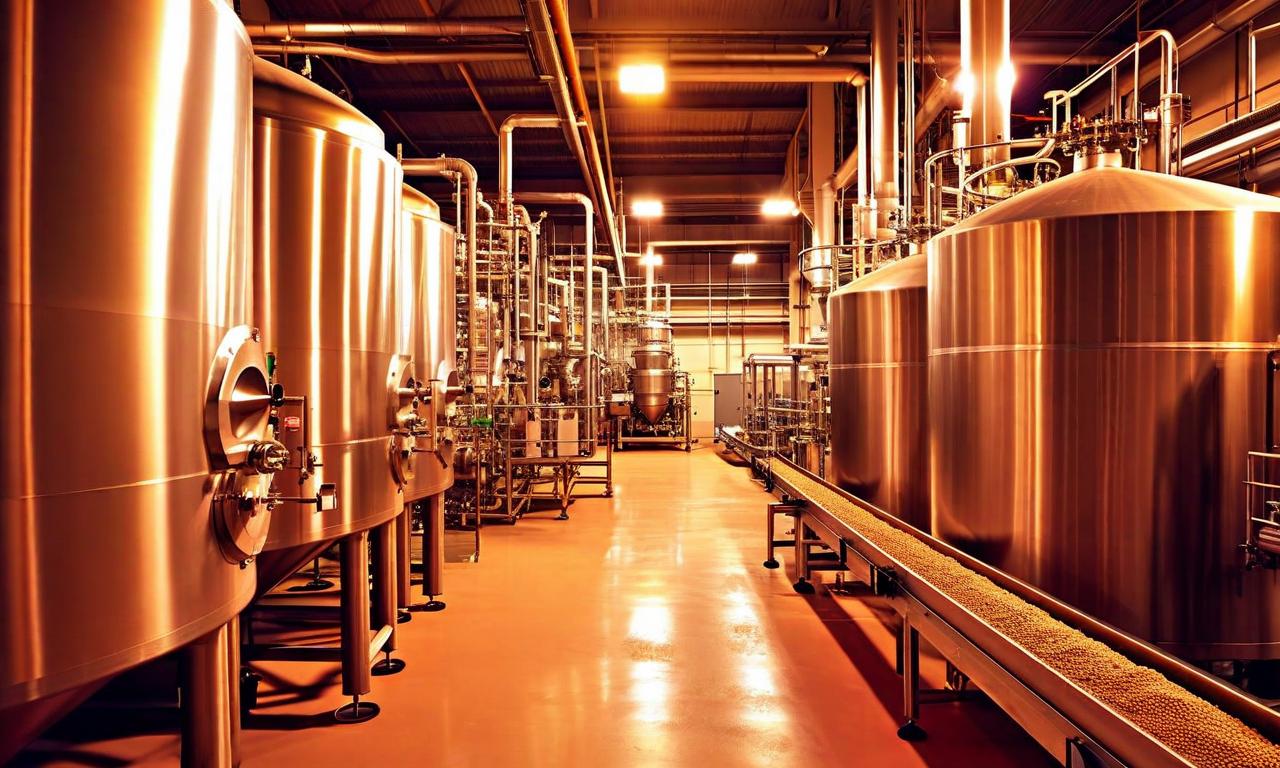
*this image is generated using AI for illustrative purposes only.
Ambar Protein Industries reported a 27.2% decline in net profit to ₹70.3 crore for the fiscal year ended March 31, 2026, despite revenue growing 18.7% to ₹5,006.6 crore. The edible oil manufacturer cited rising raw material costs and competitive pricing pressures as primary drivers for the contraction in profitability.
The company’s board of directors has convened the 33rd Annual General Meeting for September 30, 2026, to approve these financial statements. Shareholders will also vote on related-party transactions involving Ankur Oil Industries and variations in executive remuneration.
Financial Performance
Revenue from operations increased from ₹4,216.2 crore in FY25 to ₹5,006.6 crore in FY26. However, this top-line growth did not translate into bottom-line gains. Cost of raw materials consumed surged to ₹4,877.7 crore from ₹3,950.2 crore, outpacing revenue growth and compressing margins.
| Metric | FY26 | FY25 | Change |
|---|---|---|---|
| Revenue | ₹5,006.6 crore | ₹4,216.2 crore | +18.7% |
| Net Profit | ₹70.3 crore | ₹96.5 crore | -27.2% |
| Profit Before Tax | ₹93.9 crore | ₹130.3 crore | -28.0% |
Profit before tax fell 28.0% to ₹93.9 crore. Finance costs decreased slightly to ₹20.3 crore from ₹22.7 crore, providing minor support to overall profitability. Other income declined marginally to ₹78.1 lakh from ₹84.2 lakh.
What the Numbers Show
A significant divergence exists between revenue growth and profitability. While sales expanded by nearly 19%, net profit contracted by over 27%. This indicates that gross margins were severely impacted by input cost inflation, which rose faster than selling prices could adjust. The net profit margin compressed from 2.29% in FY25 to 1.40% in FY26.
Working Capital and Balance Sheet
Current assets rose to ₹592.2 crore from ₹483.4 crore, driven primarily by a sharp increase in inventories. Inventory levels more than doubled to ₹386.7 crore from ₹204.3 crore, reflecting higher raw material procurement and commodity price movements.
Conversely, trade receivables dropped significantly to ₹101.8 crore from ₹202.8 crore, indicating improved collection efficiency. The current ratio improved to 1.57 times from 1.45 times. Total borrowings remained stable at approximately ₹259.2 crore, while total equity grew to ₹417.7 crore due to retained earnings accumulation.
Corporate Governance and AGM
The company is seeking shareholder approval for several key resolutions at the upcoming AGM:
- Reappointment of directors Bharat D Patel and Shirish D Patel, who retire by rotation.
- Approval of remuneration for cost auditors J. B. Mistri & Co. at ₹40,000 for FY27.
- Ratification of related-party transactions with Ankur Oil Industries, including leasing receipts of ₹1.0 crore and goods sales of ₹400.0 crore.
- Variation in remuneration for Managing Director Pradeep C Khetani and Whole Time Director Jayprakash J Vachhani, allowing payments exceeding statutory limits if profits are inadequate.
No dividend was recommended for FY26 as the board prioritized resource conservation.
Historical Stock Returns for Ambar Protein Industries
| 1 Day | 5 Days | 1 Month | 6 Months | 1 Year | 5 Years |
|---|---|---|---|---|---|
| +4.22% | 0.0% | -7.44% | +15.66% | -27.11% | 0.0% |

How might the doubling of inventory levels impact Ambar's working capital efficiency and cash flow in FY27 if commodity prices correct downwards?
What specific pricing strategies or hedging mechanisms will Ambar employ to pass on rising raw material costs to consumers without losing market share?
Will the approved variation in executive remuneration, allowing payments despite inadequate profits, signal a shift in corporate governance priorities for stakeholders?
 17
17






 Access 50+ Readymade Screeners
  Use 200+ Custom Filters
  Get Full Market Insights





