

Global protein market report highlights whey crisis and GLP-1 demand


Market Decipher's Global Protein Market Report, 2026–2036, values the industry at $133 billion, driven by a whey supply crisis, GLP-1 pharmaceutical demand, and FMCG expansion. Protein supplements and ingredients are seeing double-digit growth, while emerging technologies like precision fermentation are accelerating. The report emphasizes the urgency of strategic positioning amid supply constraints and evolving consumer needs.



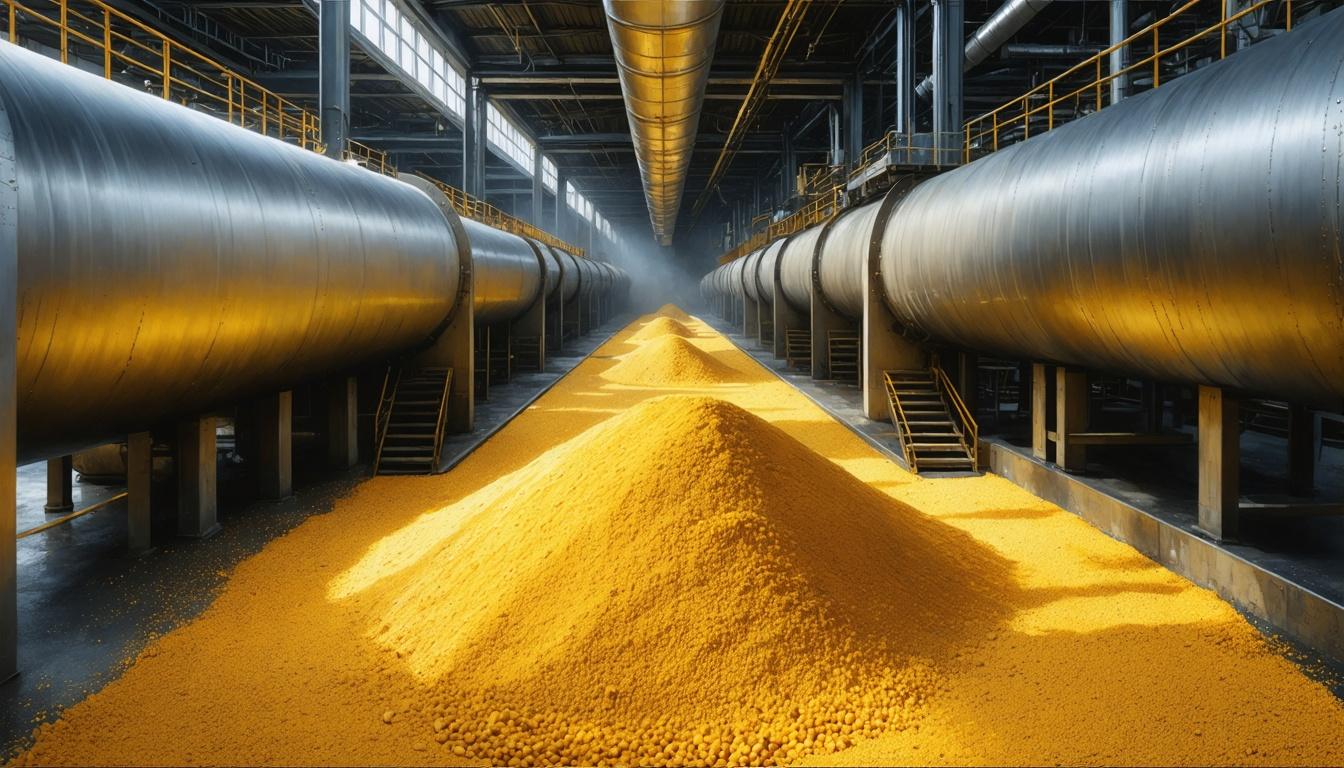
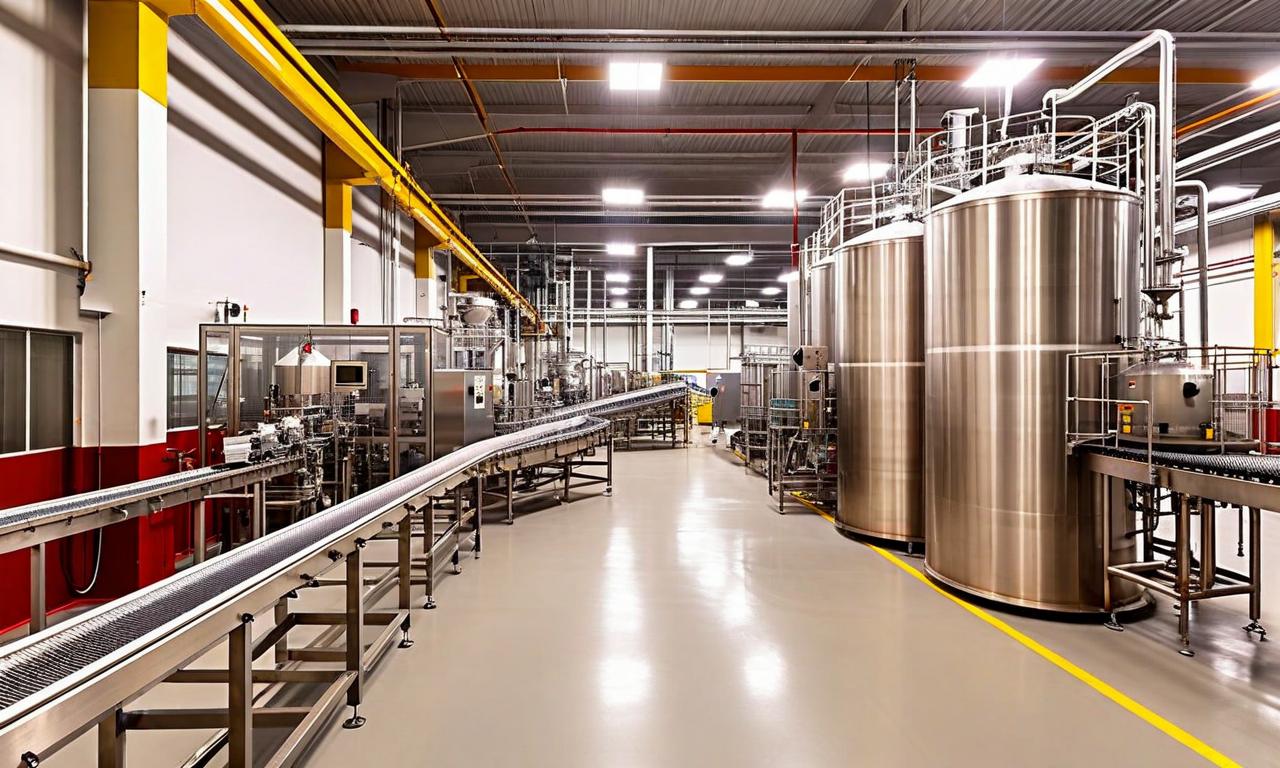
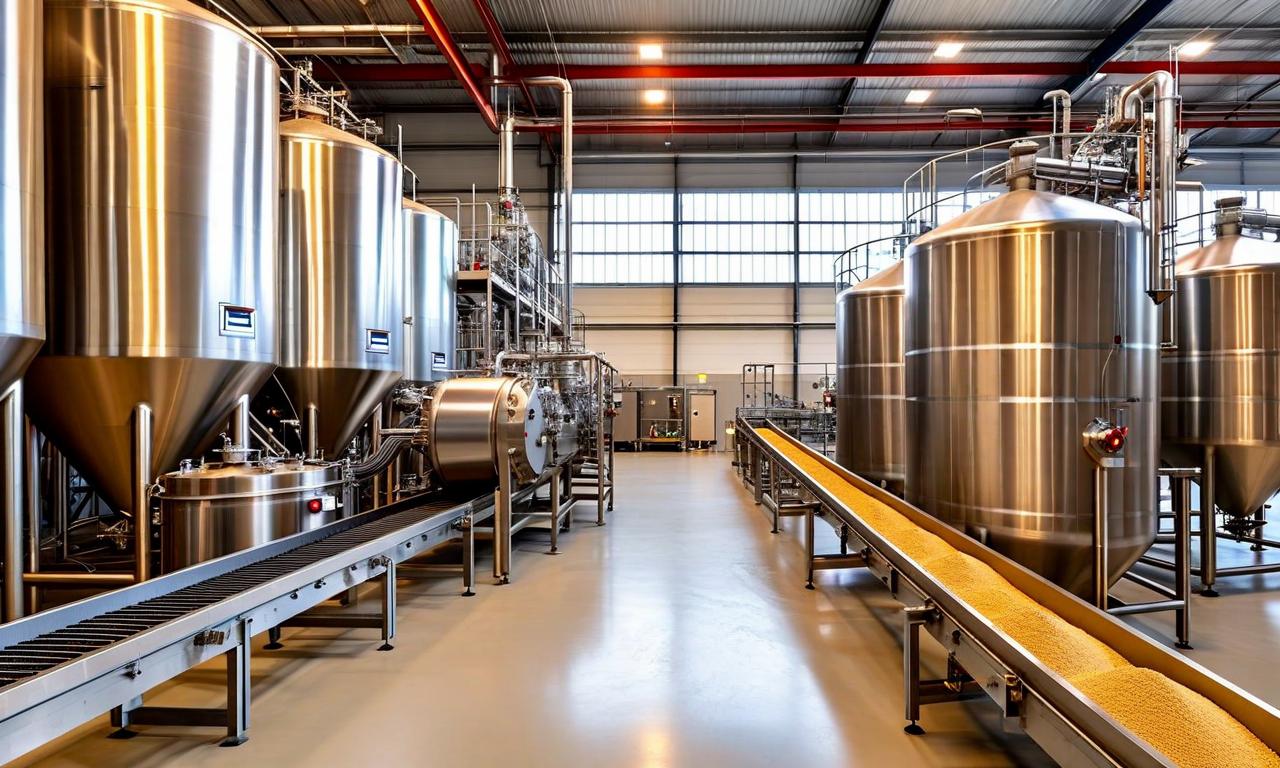
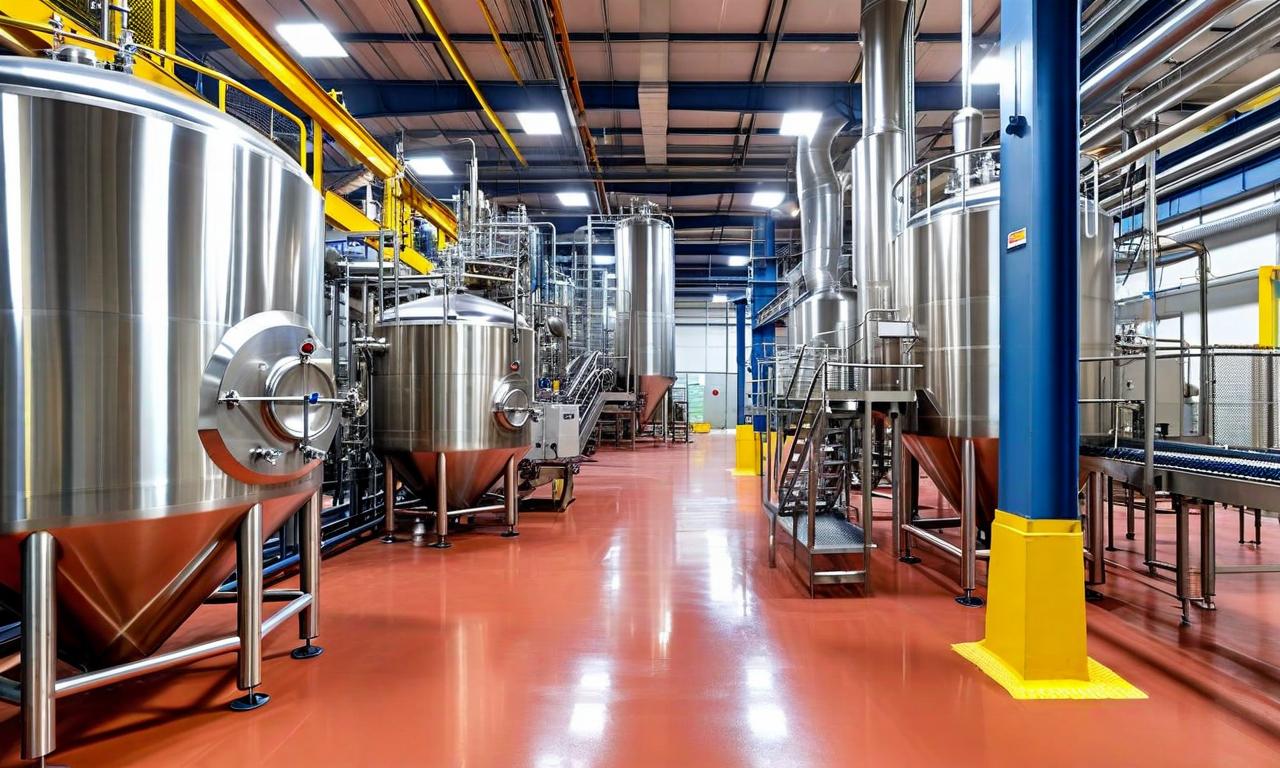
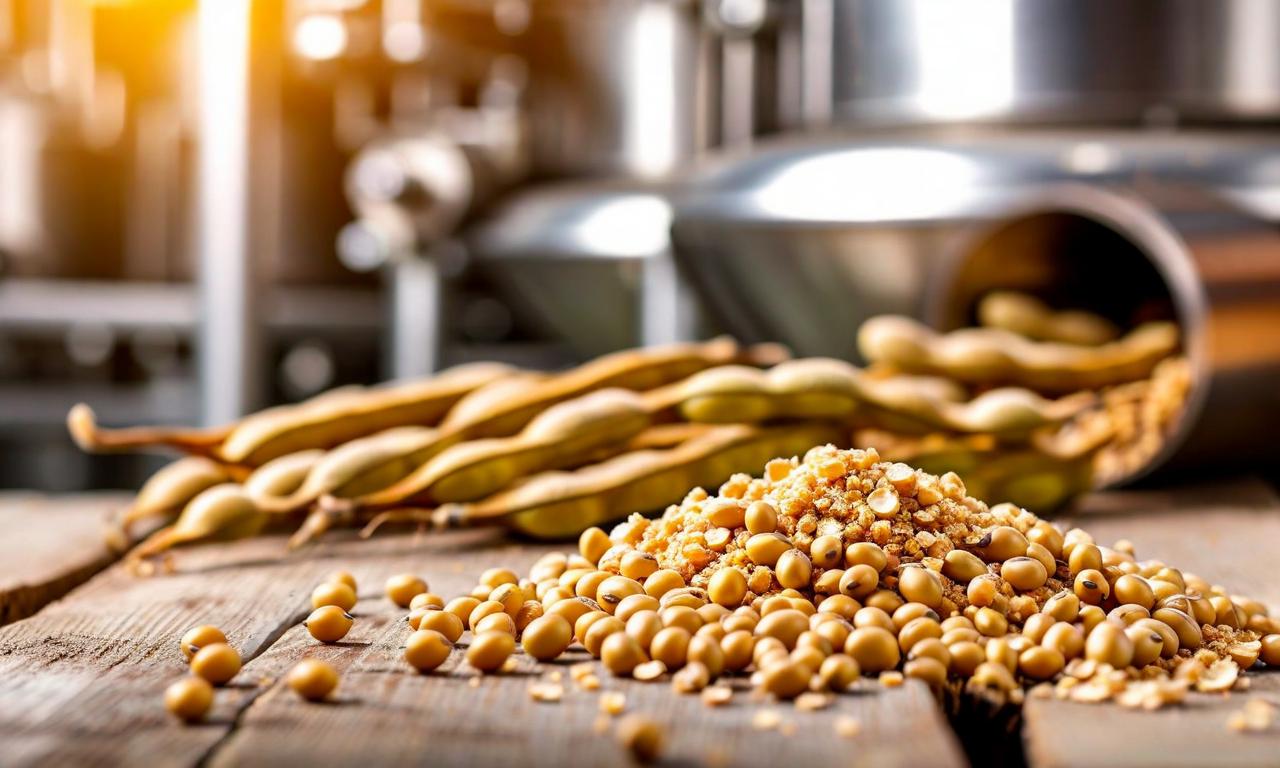
*this image is generated using AI for illustrative purposes only.
Market Decipher has released the Global Protein Market Report, 2026–2036, detailing a global protein industry valued at $133 billion that is undergoing a structural reset. The report identifies three converging forces reshaping the market: a pharmaceutical revolution driven by GLP-1 medications, a once-in-a-generation whey supply crisis with spot prices at USD 11/lb, and a fundamental shift in consumer expectations for protein functionality. These disruptions are creating a volatile environment where the headline 8.4% CAGR understates the immediate volatility in pricing and supply chains.
Market Segmentation and Growth
The report breaks down the market into four primary segments: Protein Supplements, High-Protein FMCG, Protein Ingredients, and Emerging Proteins. Protein Supplements are valued at USD 33.5 Bn with a ~13.2% CAGR, while High-Protein FMCG represents the largest segment at USD 70.2 Bn with an ~8.1% CAGR. Protein Ingredients are valued at USD 30.1 Bn with an ~11.6% CAGR. Emerging Proteins, including precision fermentation and insect protein, are projected to grow at a 17% CAGR from a smaller base of USD 15.2 Bn.
Protein Supplements Market Breakdown
| Segment | 2026 $ million | 2036 $ million | CAGR |
|---|---|---|---|
| Pure Whey WPC | 8,634 | 37,438 | 15.8 % |
| Pure Whey WPI | 4,568 | 16,641 | 13.8 % |
| Whey WPC/WPI Blend | 3,369 | 9,739 | 11.2 % |
| Plant Protein Powders | 6,222 | 20,751 | 12.8 % |
| Women Protein Products | 2,144 | 7,406 | 13.2 % |
| Protein Blends (Multi-source) | 5,624 | 16,702 | 11.5 % |
| Hydrolysed Whey Supplements | 2,965 | 7,349 | 9.5 % |
| SECTION TOTAL | 33,526 | 1,16,025 | 13.2 % |
Whey Supply Crisis and Capacity Constraints
The report highlights a critical whey supply crisis driven by a structural demand shock and insufficient processing infrastructure. WPC80 costs have surged 108% over two years, while WPI is up 139%. US WPC and WPI volumes are largely forward-contracted into 2026, forcing global buyers to shift sourcing to Europe and regional alternatives. The global dairy industry has announced approximately USD 11 billion in investments, but significant supply relief is not expected until Q3 2027 or later. Major capacity additions include Glanbia adding 10 million pounds of WPI capacity and Tirlán committing €126 million to premium whey expansion.
High-Protein FMCG Expansion
High-protein products are moving beyond specialist stores into mainstream grocery aisles, appearing in items such as Pop-Tarts, Kraft Mac & Cheese, and Doritos. This transformation is driving the High-Protein FMCG segment, which includes categories like RTD protein drinks, protein bars, and high-protein yogurt. The segment is projected to grow from USD 70.2 Bn to USD 153.6 Bn by 2036. Key growth areas include clear/juice-style RTD protein beverages and GLP-1-specific nutritional products, such as Danone's Oikos protein shake launched in May 2025.
High Protein FMCG Market Breakdown
| Segment | 2026 $ million | 2036 $ million | CAGR |
|---|---|---|---|
| High Protein Milk | 5,689 | 12,511 | 8.2 % |
| High Protein Yogurt | 12,500 | 24,820 | 7.1 % |
| HP Meat Snacks | 2,906 | 6,570 | 8.5 % |
| High Protein Chips | 898 | 1,868 | 7.6 % |
| HP Flours | 2,532 | 5,466 | 8.0 % |
| Baking Mixes | 2,268 | 5,223 | 8.7 % |
| HP Cheese | 4,513 | 8,713 | 6.8 % |
| High Protein Fish | 8,527 | 16,006 | 6.5 % |
| High Protein Chicken | 1,121 | 2,085 | 6.4 % |
| High Protein Eggs | 4,582 | 8,682 | 6.6 % |
| RTD Protein Drinks | 984 | 3,029 | 11.9 % |
| RTD Protein Shakes | 2,604 | 8,684 | 12.8 % |
| Protein Bars | 12,122 | 30,874 | 9.8 % |
| HP Breakfast Cereals & Oats | 6,413 | 13,718 | 7.9 % |
| HP Pasta & Noodles | 964 | 1,932 | 7.2 % |
| Others | 1,594 | 3,410 | 7.9 % |
| SECTION TOTAL | 70,217 | 1,53,593 | 8.1 % |
Protein Ingredients and Emerging Technologies
The Protein Ingredients market is projected to grow from USD 30.1 Bn to USD 93 Bn by 2036. The report identifies Pea Protein Isolate (12.5% CAGR), Collagen Peptides (11.4% CAGR), and WPI Bulk (14.0% CAGR) as high-conviction investment theses. Emerging technologies, particularly precision fermentation, are moving from speculation to commercial reality, with the segment projected to reach USD 22,387 million by 2036 at a 48% CAGR. Regulatory approvals from bodies like the FDA, EFSA, and FSSAI remain critical gating factors for these emerging segments.
Protein Ingredients Market Breakdown
| Segment | 2026 $ million | 2036 $ million | CAGR |
|---|---|---|---|
| Whey Protein WPC Bulk | 6,621 | 29,209 | 16.0 % |
| Whey Protein WPI Bulk | 4,616 | 17,113 | 14.0 % |
| Hydrolysed Whey Protein | 1,902 | 5,401 | 11.0 % |
| Casein & Caseinates | 3,602 | 7,777 | 8.0 % |
| Milk Protein Concentrate (MPC) | 2,832 | 6,229 | 8.2 % |
| Soy Protein Isolate | 3,446 | 8,462 | 9.4 % |
| Pea Protein Isolate | 1,524 | 4,949 | 12.5 % |
| Wheat Protein | 1,728 | 2,869 | 5.2 % |
| Rice Protein | 983 | 1,845 | 6.5 % |
| Egg Protein | 1,122 | 2,291 | 7.4 % |
| Collagen Peptides | 883 | 2,599 | 11.4 % |
| Multi-Protein Blends | 1,800 | 4,261 | 9.0 % |
| SECTION TOTAL | 31,060 | 93,006 | 11.6 % |
GLP-1 and Strategic Outlook
The adoption of GLP-1 medications is tightening whey demand as protein is prescribed to preserve lean mass. The GLP-1 diet protein market is valued at USD 3.1 Bn in 2026 and is projected to reach USD 15.4 Bn by 2036, growing at a 17.4% CAGR. The report warns that companies waiting for the supply crisis to resolve risk losing competitive advantage, as early commitments to capacity from processors like Glanbia, Tirlán, and Fonterra are pre-allocating available WPI output.
Historical Stock Returns for Ambar Protein Industries
| 1 Day | 5 Days | 1 Month | 6 Months | 1 Year | 5 Years |
|---|---|---|---|---|---|
| +4.22% | 0.0% | -7.44% | +15.66% | -27.11% | 0.0% |

How will the sustained high cost of whey protein accelerate the consumer shift toward plant-based and precision fermentation alternatives before 2027?
What specific regulatory milestones are required for precision fermentation to scale from niche speculation to mainstream cost-competitiveness by 2030?
To what extent will the integration of high-protein ingredients into mainstream FMCG goods like Pop-Tarts and pasta cannibalize sales from traditional supplement categories?
 20
20





 Access 50+ Readymade Screeners
  Use 200+ Custom Filters
  Get Full Market Insights





