

Alpine Housing FY26 Results: Net profit up to ₹6 crore, revenue rises 22%


- Net profit exceeded ₹6 crore in FY26, up from ₹5.06 crore in the previous year
- Revenue increased by 22% YoY, driven by railway sleeper orders and real estate sales
- EBIT rose by ₹177 lakh during the fiscal year
- Company plans to generate ₹500 crore from a new JDA project in North Bangalore



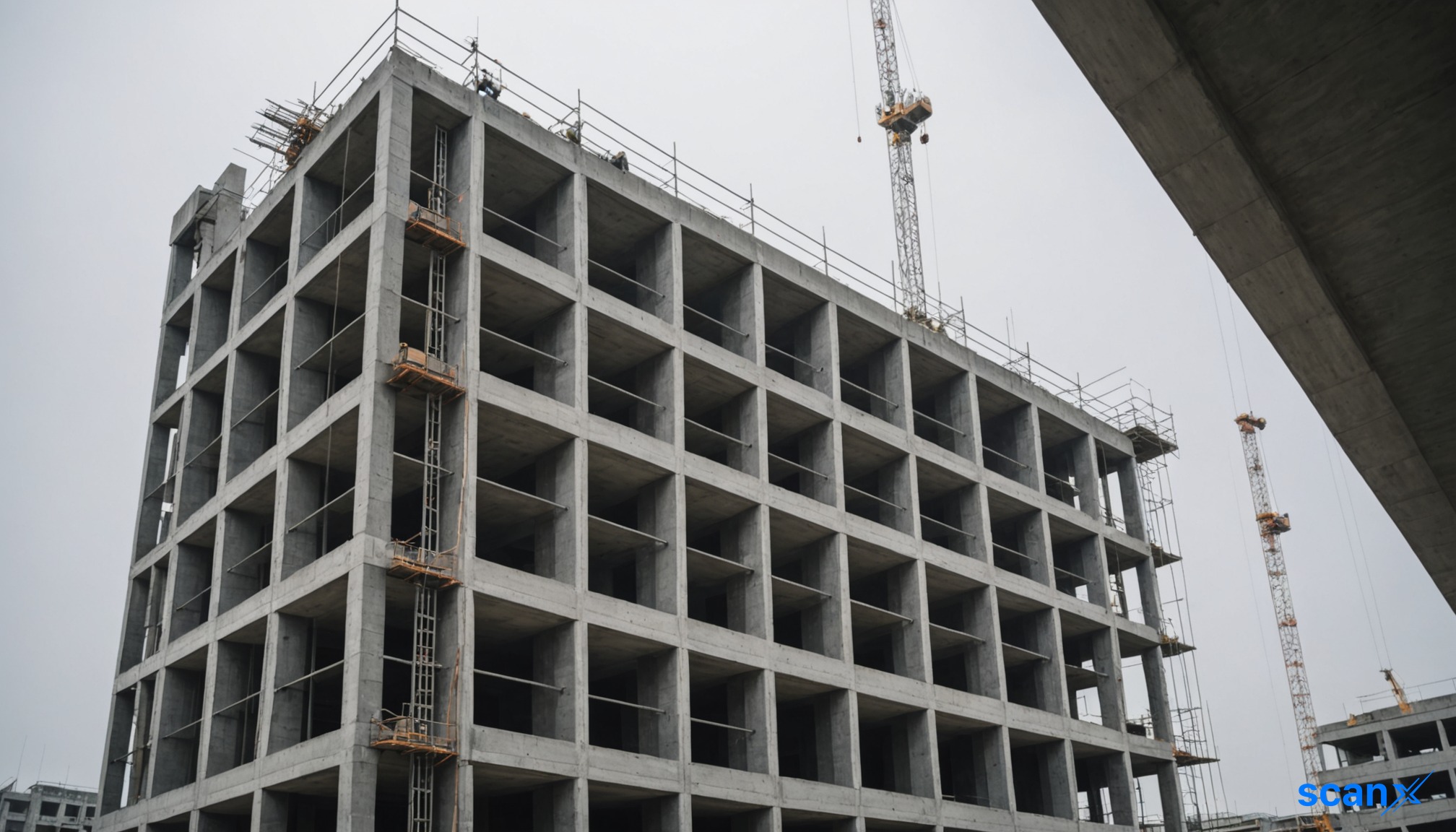
*this image is generated using AI for illustrative purposes only.
Alpine Housing Development Corporation reported a 22% increase in revenue and net profits exceeding ₹6 crore for the financial year ended March 31, 2026. The figures were disclosed during the 33rd Annual General Meeting held on September 29, 2026.
The previous year’s net profit stood at ₹5.06 crore. EBIT increased by ₹177 lakh during the period. The company attributed the growth to buoyant demand in its railway sleeper manufacturing unit and strategic real estate expansions.
Strategic Expansions and Sector Outlook
The Chairman highlighted that the Indian real estate sector contributes 7.3% to GDP and generated $648 billion in revenue, with projections exceeding $1 trillion by 2030. Alpine Housing has completed 44 lakh square feet of constructed area. To drive further growth, the company entered into Joint Development Agreements (JDAs). A notable JDA with Bharatiya City Developers involves developing 13.8 acres in North Bangalore, expected to generate approximately ₹500 crore in revenue over four to five years.
In the manufacturing segment, the company’s unit for railway concrete sleepers has seen strong order inflows. This aligns with government initiatives for fast trains and increased inter-state mobility. Alpine Housing was selected to establish a new automated sleeper plant using automatic machines, catering to high-speed track requirements.
Macroeconomic Context
The meeting noted that India’s GDP stood at 7.7%, while inflation reduced to 1.7% from 4.3% in the previous year. These indicators reflect positive government policies contributing to economic improvement, infrastructure growth, and rising real incomes. Urbanisation and employment growth in hubs like Bengaluru continue to support the real estate sector.
Resolutions Passed
Members adopted the audited Balance Sheet and Statement of Profit and Loss for FY26. Key resolutions included:
- Reappointment of S.M. Mohsin as Non-Executive Non-Independent Director.
- Approval of related party transactions.
- Approval of overall borrowing limits under Section 180(1)(c) of the Companies Act, 2013.
- Approval to create mortgages or charges on company assets under Section 180(1)(a).
What the Numbers Show
The divergence between the 22% revenue growth and the significant jump in net profit (from ₹5.06 crore to over ₹6 crore) suggests improved operational efficiency or margin expansion, although specific margin percentages were not detailed. The reliance on JDAs for large-scale projects indicates a capital-light strategy for future revenue generation, leveraging land portfolios rather than direct heavy capex for all developments.
Historical Stock Returns for Alpine Housing Development
| 1 Day | 5 Days | 1 Month | 6 Months | 1 Year | 5 Years |
|---|---|---|---|---|---|
| +3.88% | -1.50% | -16.04% | +27.41% | -21.60% | +373.49% |

How will the execution timeline and revenue recognition schedule for the ₹500 crore North Bangalore Joint Development Agreement impact Alpine Housing's quarterly earnings visibility over the next four years?
What specific capital expenditure requirements are associated with establishing the new automated railway sleeper plant, and how will this affect the company's debt-to-equity ratio given the recent approval of borrowing limits?
Given the shift toward a capital-light JDA model, how does Alpine Housing plan to mitigate counterparty risk with partners like Bharatiya City Developers if real estate market conditions deteriorate?
 20
20









 Create Custom Screeners
  Access 200+ Pre-built Filters
  Use 50+ Readymade Screener





