

Adani Power scores 66 in NSE ESG assessment, retains Aspiring category


- Adani Power achieved an NSE Sustainability ESG score of 66, up from 65 in FY26
- The company retains its 'Aspiring' category status in the assessment
- It ranks higher than all major Indian thermal and integrated energy peers
- Independent ratings include 71/100 from S&P Global and 80/100 from Care Edge
- Care Edge noted the company outperformed the industry median by 35% in FY26

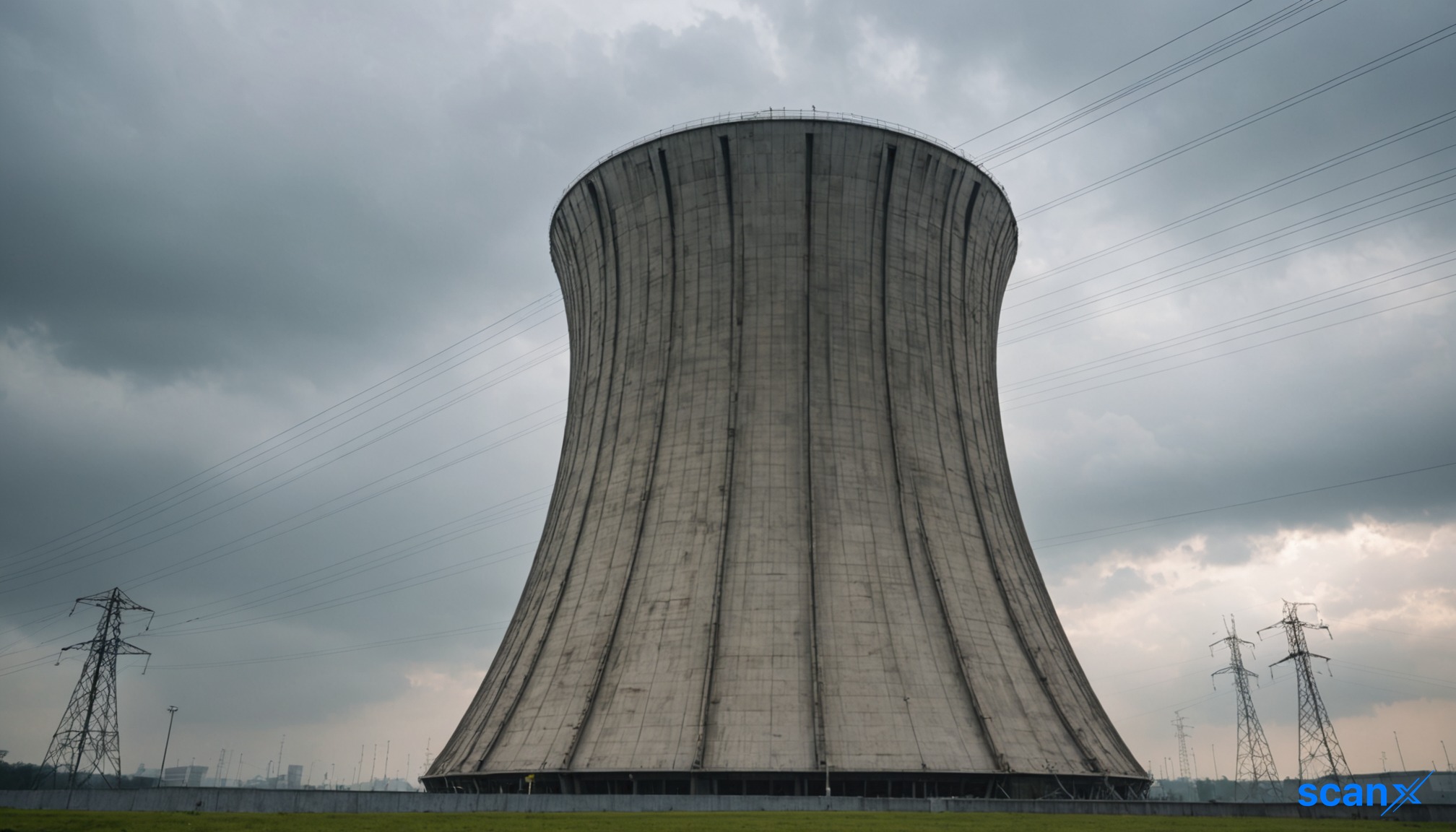

*this image is generated using AI for illustrative purposes only.
Adani Power Limited has improved its Environmental, Social, and Governance (ESG) score to 66 under the NSE Sustainability framework, up from 65 in FY26. The company retains its position in the "Aspiring" category.
Adani Power , India's largest private sector thermal power generator, announced the update on September 7, 2026. The firm continues to rank higher than all other major Indian thermal, mixed fuel, and integrated energy companies in this assessment.
ESG Assessment Details
NSE Sustainability, a SEBI-registered ESG Rating Provider and subsidiary of NSE Indices, evaluates 500 listed companies in India annually. The assessment provides an independent view of a company's ESG credentials and long-term value creation potential.
The company attributed its score improvement to operational excellence and adherence to best industry standards. Key initiatives include:
- Implementation of advanced low-emission technologies, such as Ultra-Supercritical Units, to reduce carbon footprint.
- Investment in continuous monitoring and corrective systems for energy efficiency.
- Prioritization of water conservation and responsible waste disposal during operations.
Social and Governance Initiatives
On the social front, Adani Power expanded community development programs focusing on education, healthcare, and skill-building. Specific efforts included scholarship programs for underprivileged students, health camps, and livelihood enhancement projects.
Regarding governance, the company stated it surpasses regulatory requirements. The percentage of independent directors in the Nomination and Remuneration Committee, Audit Committee, and Risk Management Committee exceeds statutory guidelines. Additionally, the company adopted stringent supplier and contractor ESG standards.
Other Ratings
Adani Power disclosed strong performance in other independent ESG assessments:
| Rating Agency | Score | Category/Note |
|---|---|---|
| S&P Global CSA | 71/100 | Corporate Sustainability Assessment |
| FTSE Russell | 4.3/5.0 | ESG Rating |
| Care Edge | 80/100 | Leadership position (FY26) |
Care Edge noted that Adani Power outperformed the industry median by 35% in FY26.
What the Numbers Show
The company’s ESG score increased by just one point (from 65 to 66), yet it maintained a significant lead over peers in the thermal power sector. This suggests that while absolute scoring margins may be tight within the NSE framework, Adani Power’s relative standing remains robust compared to competitors who likely faced similar or greater challenges in meeting evolving ESG benchmarks.
Historical Stock Returns for Adani Power
| 1 Day | 5 Days | 1 Month | 6 Months | 1 Year | 5 Years |
|---|---|---|---|---|---|
| -3.26% | -5.06% | -4.94% | +27.65% | +31.64% | 0.0% |

How might Adani Power's retention in the 'Aspiring' category impact its access to green financing or ESG-linked bonds compared to peers in higher tiers?
What specific regulatory or market pressures could drive the next incremental improvement in Adani Power's NSE Sustainability score beyond 66?
Will the adoption of stringent supplier ESG standards significantly increase operational costs, and how will this affect Adani Power's competitive pricing in the thermal power sector?
 16
16











 Create Custom Screeners
  Access 200+ Pre-built Filters
  Use 50+ Readymade Screener





