

Adani Green operationalizes 3,081 MWh BESS, holds over 50% of India's capacity


- Operationalized 481.9 MW renewable and 3,081 MWh BESS in Gujarat on October 1, 2026
- Total BESS capacity reached 6.63 GWh, representing over 50% of India's operational storage
- Khavda installation is the world's largest single-location BESS, powering ~2 million homes/day
- Company targets adding over 10 GWh of battery storage in FY27 and 50 GWh in five years

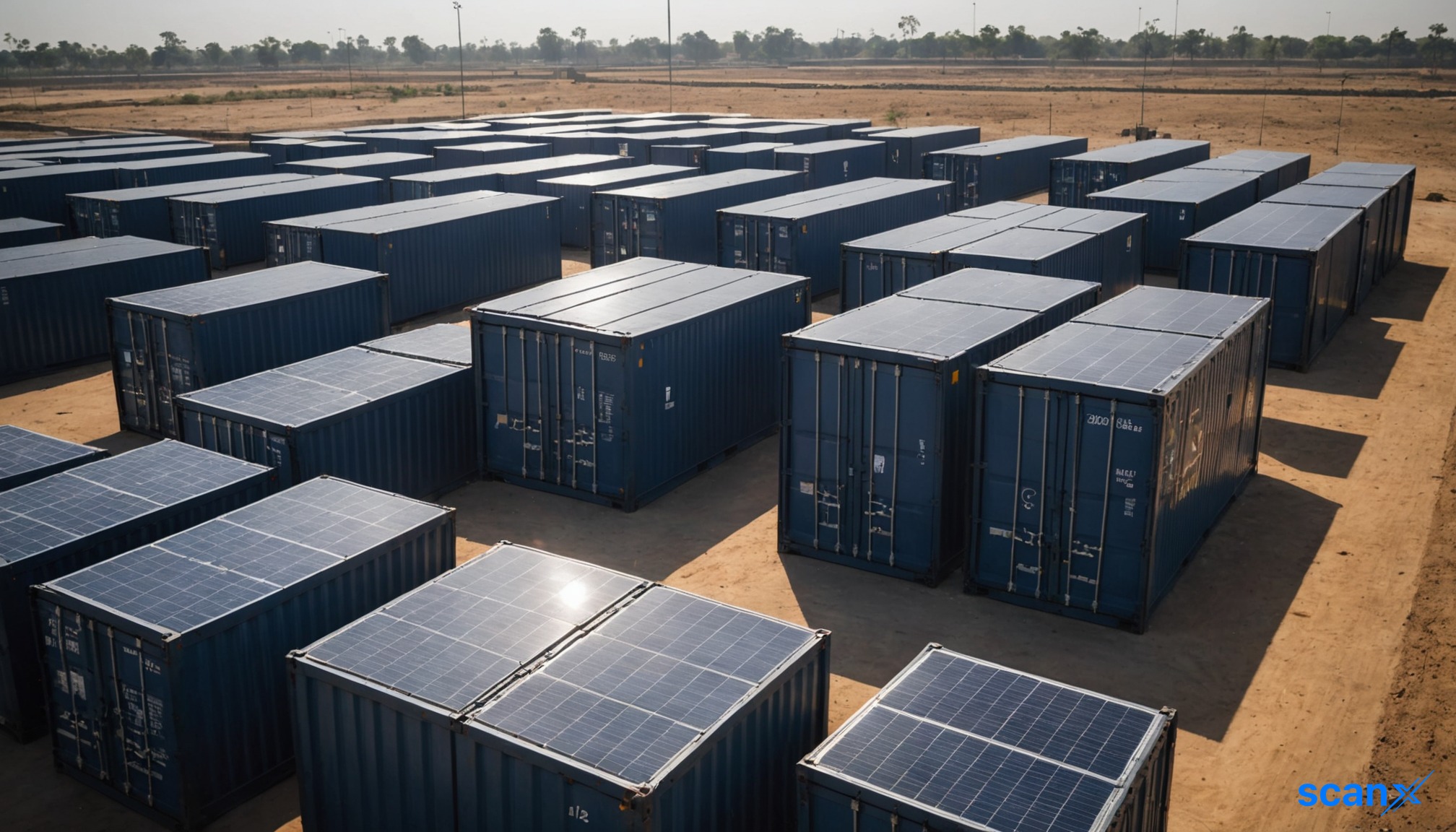

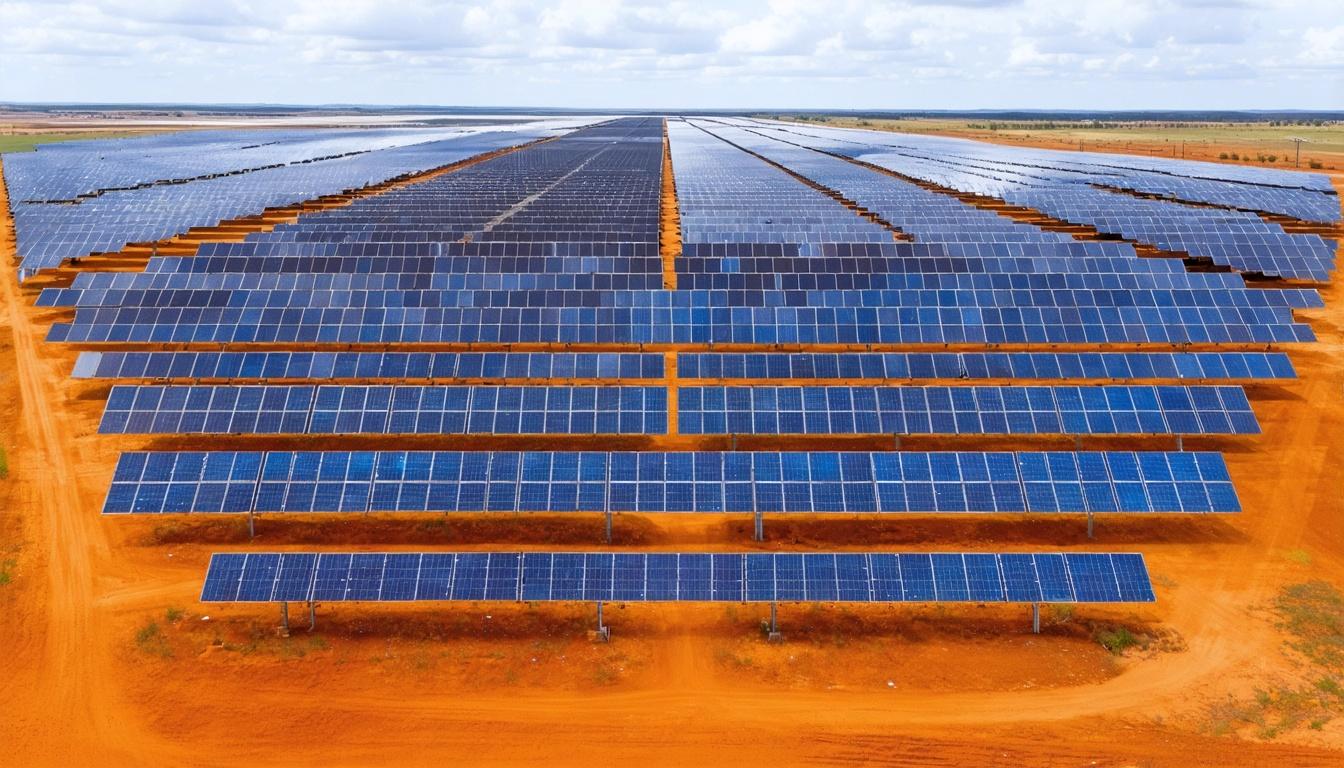
*this image is generated using AI for illustrative purposes only.
Adani Green Energy has commercially operationalized 481.9 MW of renewable energy projects and a 3,081 MWh Battery Energy Storage System (BESS) in Gujarat. These additions bring its total operational renewable capacity to 20,762.70 MW and total battery storage to 6,632 MWh, consolidating its position as the leader in India's energy storage sector.
New capacity additions in Gujarat
The latest commissioning, dated October 1, 2026, adds to the company's growing portfolio of renewable energy and energy storage assets. The newly launched projects comprise 481.9 MW of renewable energy generation capacity alongside a 3,081 MWh battery storage system, both located in Gujarat.
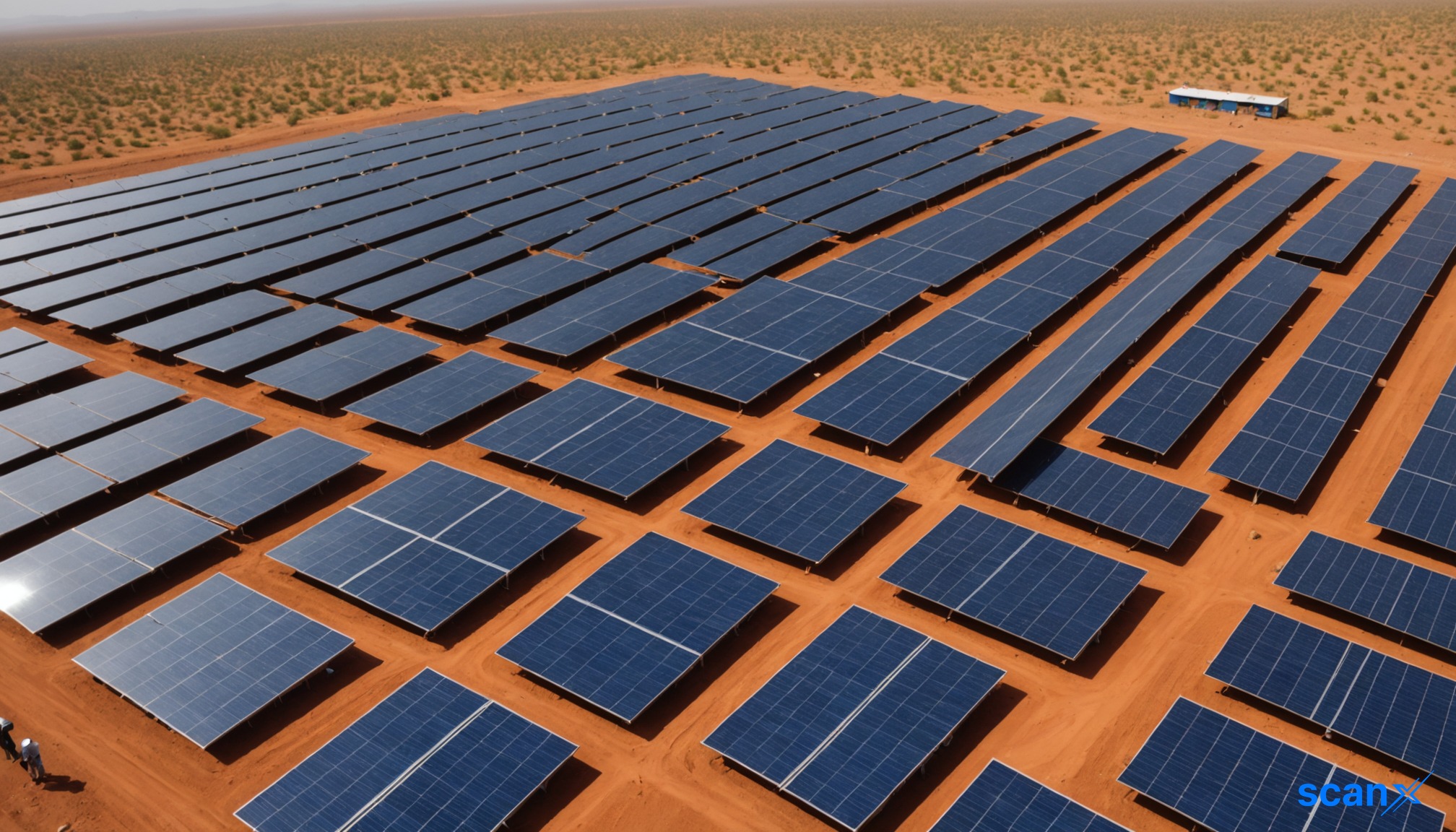
The renewable energy additions include solar and wind projects at Khavda and Mundra. The BESS projects are located at Khavda, where the company is developing a 30 GW renewable energy plant across 538 square kilometers of barren land.
Cumulative operational capacity
The following table summarises Adani Green Energy's total operational capacity following these additions:
| Parameter | Details |
|---|---|
| New renewable energy capacity added | 481.9 MW |
| New battery storage capacity added | 3,081 MWh |
| Total operational renewable capacity | 20,762.70 MW |
| Total operational battery storage | 6,632 MWh |
| Project location | Gujarat |
With these additions, Adani Green Energy's cumulative operational renewable energy capacity stands at 20,762.70 MW, while its total battery storage capacity reaches 6,632 MWh.
Project breakdown and technology
The renewable energy capacity added consists of 343.3 MW of solar power from Adani Renewable Energy Fifty Seven Limited and 138.6 MW of wind power from Adani Wind Energy Kutch Three Limited. The 3,081 MWh BESS addition is distributed across three special purpose vehicles: Adani Renewable Energy Thirty Five Limited (642 MWh), Adani Green Energy Twenty Seven C Limited (1,355 MWh), and Adani Green Energy Twenty Seven B Limited (1,084 MWh).
The BESS uses lithium-ion battery technology, integrated with Energy Management Systems (EMS) and automated telemetry to manage charging and discharging. This infrastructure supports grid stability, manages peak demand, and reduces energy curtailment by enabling renewable power to be delivered when required.
Market leadership and scale
Following this expansion, AGEL's operational BESS capacity has grown to 6.63 GWh from 3.55 GWh in June 2026. The company now accounts for more than 50% of India's operational BESS capacity, which stands at approximately 12.6 GWh according to Central Electricity Authority data as on August 31, 2026.
The installation at Khavda is recognized as the world's largest single-location battery energy storage system. The 6.63 GWh capacity can store enough clean energy to power around two million homes a day. It is equivalent to the battery storage capacity of more than 150,000 mid-sized EVs and can meet almost twice the Delhi Metro's estimated daily electricity requirement.
Future expansion targets
AGEL achieved the 6.63 GWh milestone within 14 months of commencing on-site BESS construction at Khavda, with the latest capacity addition commissioned in just 10 months from the start of its construction. The company is on track to add over 10 GWh of battery storage in FY27 and is targeting 50 GWh of storage capacity over the next five years. Additionally, AGEL is pursuing pumped storage projects as part of its strategy to build large-scale, firm and dispatchable renewable power capacity.
Historical Stock Returns for Adani Green Energy
| 1 Day | 5 Days | 1 Month | 6 Months | 1 Year | 5 Years |
|---|---|---|---|---|---|
| +0.30% | -1.47% | -2.23% | +58.85% | +24.83% | +11.79% |

How will the rapid scaling of Adani Green's battery storage capacity impact the competitive landscape for other Indian renewable energy developers?
What are the projected financial implications of AGEL's target to reach 50 GWh of storage capacity over the next five years on its capital expenditure and debt profile?
How might the integration of large-scale BESS at Khavda influence India's national grid stability policies and regulatory frameworks for energy storage?
 19
19







 Access 50+ Readymade Screeners
  Use 200+ Custom Filters
  Get Full Market Insights





