

Accretion Nutraveda board approves MOA alteration, borrowing limits


- Accretion Nutraveda board approved MOA alterations to expand business scope
- Borrowing limits increased under Section 180(1)(c) of Companies Act
- Shareholder approval required via postal ballot process
- New powers include investing in securities and agricultural activities



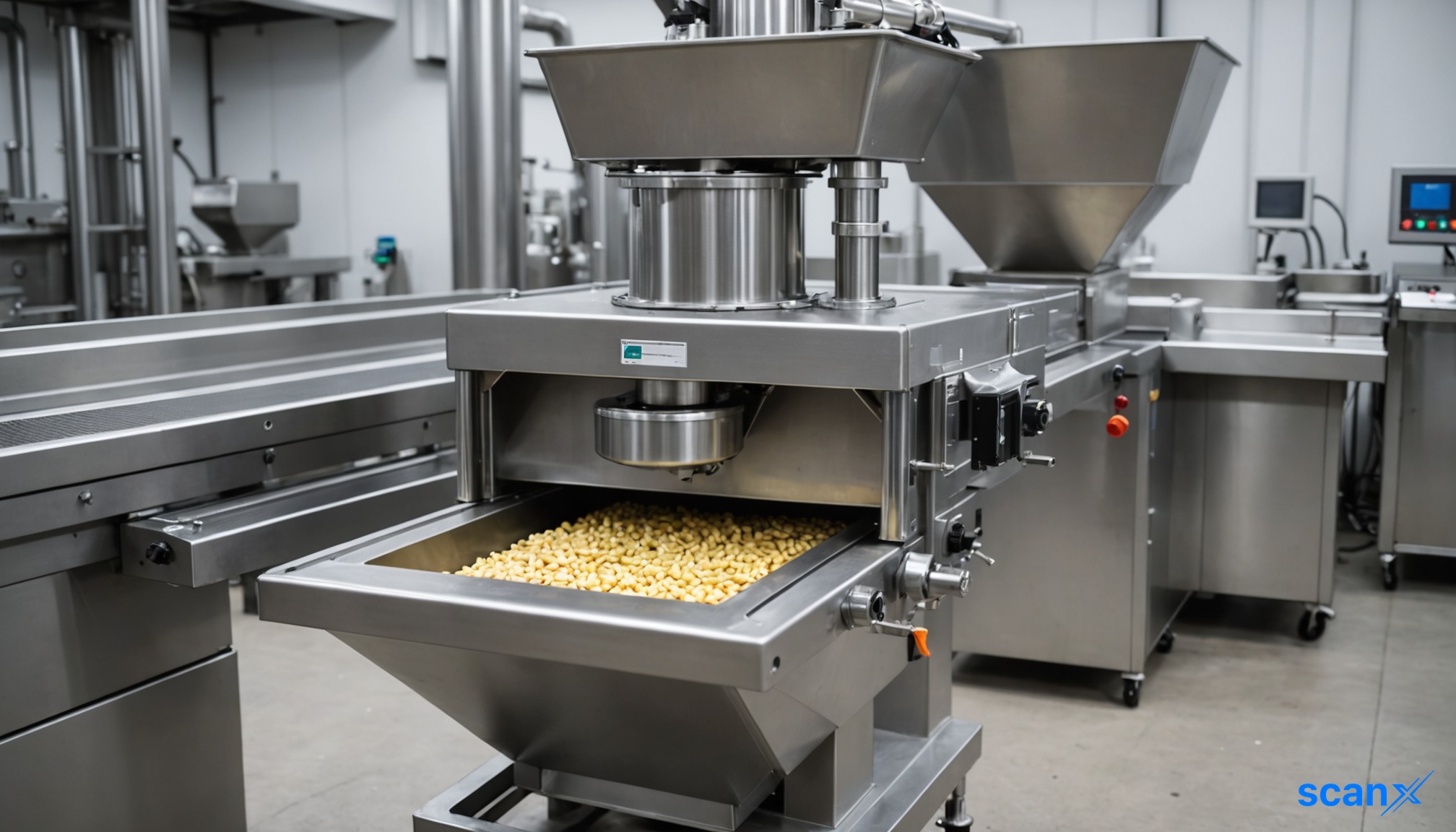
*this image is generated using AI for illustrative purposes only.
Accretion Nutraveda Limited Board of Directors approved alterations to the Memorandum of Association and increased borrowing limits during a meeting held on September 1, 2026. The resolutions seek to expand operational scope and financial flexibility.
The approvals are subject to shareholder consent through a postal ballot process and compliance with the Companies Act, 2013 and SEBI (Listing Obligations and Disclosure Requirements) Regulations, 2015. A copy of the Postal Ballot Notice will be filed with stock exchanges and published on the company website.
Proposed Alterations to Memorandum of Association
The Board proposed altering Object Clause III of the MOA to broaden the company’s business activities. The changes involve inserting or substituting objects in Main Object Clause III(A) and adding new sub-clauses III(B)(58) to III(B)(69).
Expanded Main Objects
The revised main objects permit the company to engage in a wider range of healthcare and food-related activities:
- Manufacturing and trading nutraceuticals, dietary supplements, vitamins, Ayurvedic, Homeopathic, Unani, Allopathic, and herbal products.
- Dealing in pharmaceuticals, bulk drugs, intermediates, raw materials, and medical devices including diagnostic kits and surgical instruments.
- Establishing and operating hospitals, diagnostic centres, nursing homes, medical colleges, and research laboratories.
- Producing and distributing mineral waters, health foods, nutraceuticals, and consumer food items such as juices, pickles, energy drinks, and probiotic foods.
- Supporting sick funds and charitable organizations for providing medicines and healthcare products.
Additional Powers
The new sub-clauses grant powers necessary for furtherance of the main objects, including:
- Investing in shares, stocks, securities, bonds, and other financial instruments.
- Acquiring buildings, factories, machinery, and land for business operations.
- Conducting scientific and technical research through laboratories and workshops.
- Undertaking backward and forward integration, including contract farming and sourcing raw materials like herbs and botanical extracts.
- Cultivating agricultural produce and managing farms, orchards, and processing units.
Financial and Corporate Governance Approvals
The Board also approved several proposals related to financial flexibility and corporate governance under the Companies Act, 2013:
- Increasing borrowing limits under Section 180(1)(c) for raising loans, issuing debt securities, or debt instruments via private placement or public issue.
- Enhancing limits under Section 180(1)(a) for creating charges, mortgages, or hypothecation on movable and immovable properties in favour of banks and lenders.
- Advancing loans or providing guarantees to entities where directors may be interested, under Section 185.
- Granting loans, guarantees, and investments exceeding prescribed limits under Section 186.
These measures aim to strengthen the company’s capital structure and enable strategic investments while maintaining regulatory compliance.
Historical Stock Returns for Accretion Nutraveda
| 1 Day | 5 Days | 1 Month | 6 Months | 1 Year | 5 Years |
|---|---|---|---|---|---|
| 0.0% | 0.0% | +8.19% | +46.67% | +59.52% | +59.52% |

How might the expansion into manufacturing allopathic and homeopathic products impact Accretion Nutraveda's competitive positioning against established pharmaceutical giants?
What specific strategic investments or acquisitions could the increased borrowing limits and Section 186 approvals facilitate in the near term?
How will the shift towards backward integration, such as contract farming and raw material sourcing, affect the company's supply chain resilience and cost structure?
 20
20










 Create Custom Screeners
  Access 200+ Pre-built Filters
  Use 50+ Readymade Screener





