

Schiff warns oil above $90 makes November voting costly for voters


- Peter Schiff warns oil above $90 makes November voting costly
- Crude traded at $90.558; Brent rose to $95.288 per barrel
- August gas prices hit record $4.056, costing consumers $10.51 billion more YoY
- Markets price 68% chance of 25 bps Fed rate hike in September
- Polymarket gives Democrats 51% chance of sweeping midterms


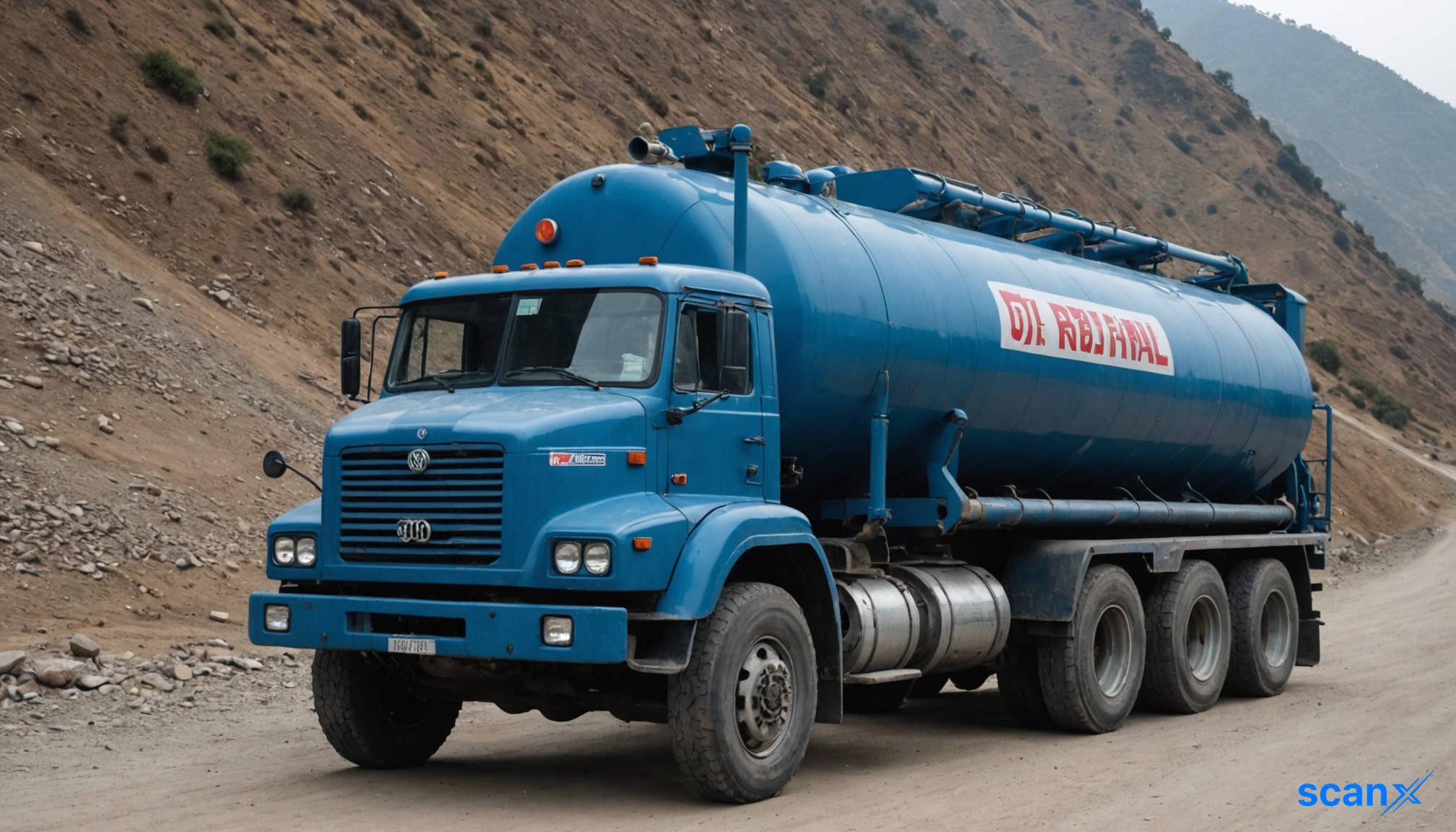
*this image is generated using AI for illustrative purposes only.
Veteran investor Peter Schiff warned Tuesday that crude oil breaking above $90 a barrel could make November midterm voting "much more costly" for Americans. He predicted prices would soon top $100, driving up CPI and bond yields.
Oil Prices and Political Impact
Schiff stated on X that the breakout in oil prices complicates the Federal Reserve's interest-rate decision. He argued that rising costs would weigh heavily on voters heading to the polls on Nov. 3.
"The politics get even worse if the Fed hikes rates in September," Schiff said.
At the time of writing, crude oil traded at $90.558 per barrel, up 0.38%. Brent crude rose 0.67% to $95.288 per barrel.
Diesel Costs and Voter Sentiment
August's national average gas price hit a record $4.056 a gallon. GasBuddy's Patrick De Haan estimated Americans paid $10.51 billion more for gas last month than a year earlier. Utah and Idaho saw per-gallon prices climb by more than $1.60 since the Iran conflict began in February.
A Financial Times report noted rising diesel costs could weigh on Republicans, citing a poll where more than half of American voters disapprove of Trump's handling of grocery and fuel prices.
Prediction markets now assign a 51% chance to Democrats sweeping both the House and Senate in November, up from 26% a year ago, according to Polymarket.
Yields and Fed Expectations
Ross Gerber, co-founder of Gerber Kawasaki Wealth Management, echoed concerns that rising oil and rates could weigh on stocks ahead of the Fed decision.
"Fed is now in play," Gerber said on X. "Not a good set up for the fall."
Schiff previously stated the 10-year Treasury yield's climb toward 2007 levels reflects a structural bear market driven by the U.S. debt load exceeding $40 trillion. Markets now price in roughly a 68% probability of a 25-basis-point Fed rate hike at the Sept. 15-16 meeting.
What the Numbers Show
The divergence between rising fuel costs and political sentiment is stark. While gas prices hit a record high of $4.056, adding $10.51 billion to consumer spending compared to the prior year, prediction markets have shifted significantly toward Democrats. The probability of a Democratic sweep rose from 26% to 51% over the past year, suggesting voters may be penalizing incumbents for inflationary pressures linked to energy costs.

How might a potential September Fed rate hike interact with sustained oil prices above $90 to influence consumer spending in the final quarter?
Could the current shift in prediction markets favoring Democrats reverse if oil prices stabilize or drop before the November elections?
What specific policy measures could the Federal Reserve implement to mitigate inflationary pressures without triggering a recession amid rising energy costs?
 17
17











 Create Custom Screeners
  Access 200+ Pre-built Filters
  Use 50+ Readymade Screener





