

US Oil Majors Post Higher Earnings as Strait Disruptions Lift Realized Prices


- Occidental Petroleum realized $96.78/barrel, up 38% QoQ, driving adjusted EPS to $2.40
- ConocoPhillips realized $62.33/barrel, up 36% YoY, despite Qatar LNG shutdown
- EOG Resources posted record adjusted EPS of $5.07 and $2.8 billion free cash flow
- Diamondback Energy raised buyback authorization to $16 billion after price surge
- Hibiscus Petroleum captured premium to Brent with April-May offtakes at $120/barrel

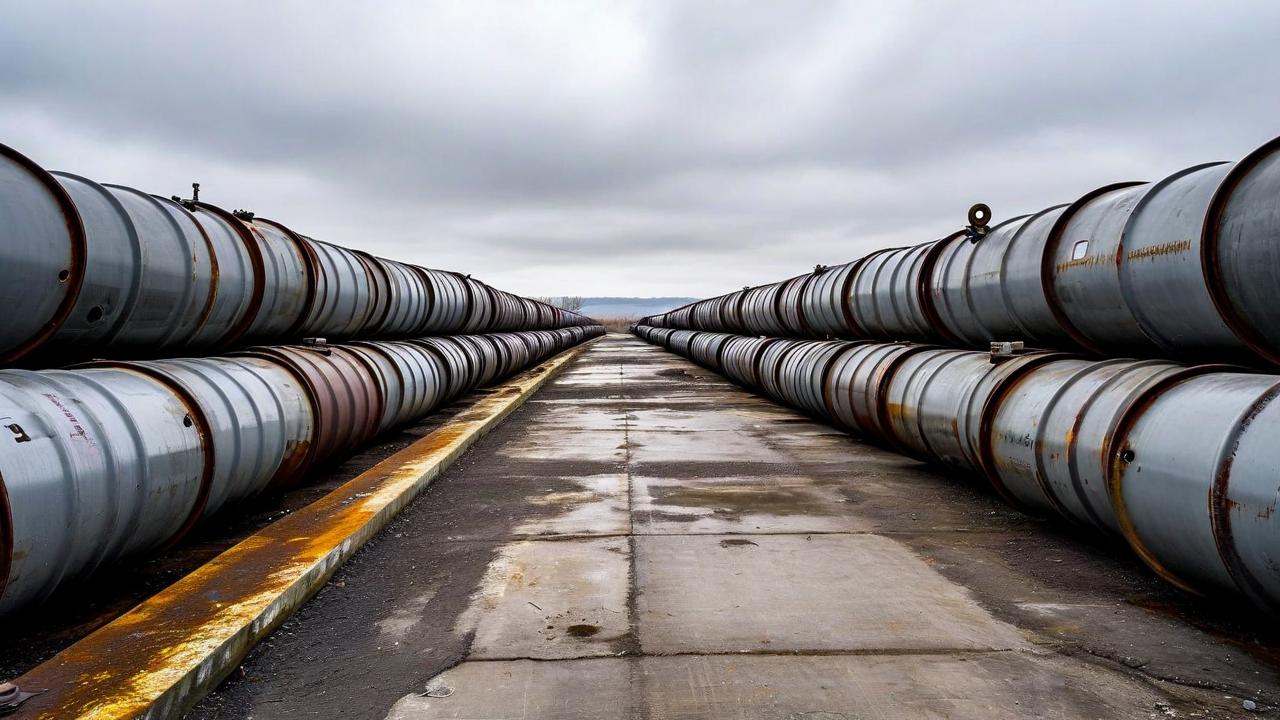

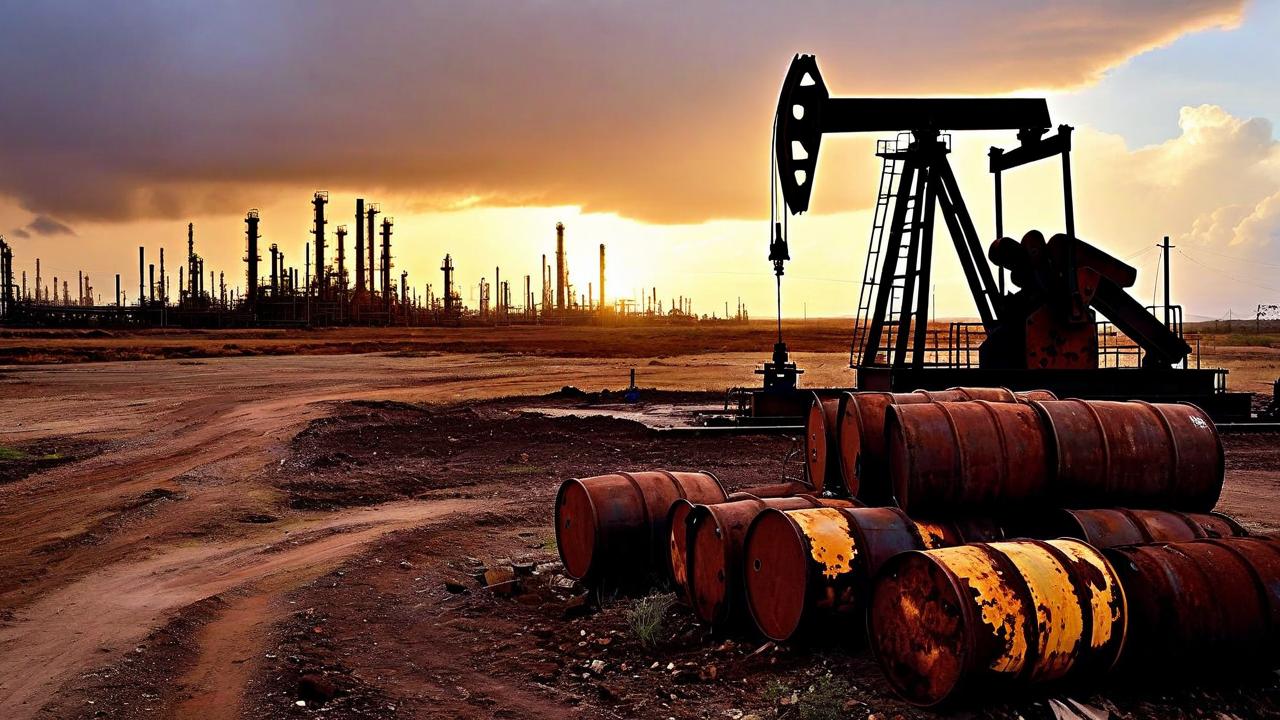
*this image is generated using AI for illustrative purposes only.
Strait of Hormuz disruptions from the Middle East conflict have boosted realized crude prices for major US oil producers. Companies insulated from direct operational risks are capturing higher margins and free cash flow.
The conflict, involving US and Israeli military operations against Iran since Feb. 28, has constrained a waterway carrying roughly one-fifth of global oil flows. This bottleneck is keeping crude prices elevated, creating an earnings windfall for producers far from the battlefield.
Earnings Performance by Producer
Occidental Petroleum (NYSE: OXY) posted a worldwide realized oil price of $96.78 per barrel, up 38% quarter-over-quarter. This price increase drove adjusted EPS to $2.40, up from $0.39 a year ago, and generated roughly $3 billion in free cash flow. CFO Sunil Mathew noted that the Middle East situation remains fluid, posing risks to international volumes.
ConocoPhillips (NYSE: COP) realized $62.33 per barrel, up 36% year-over-year, despite its Qatar LNG facility being largely shut in during the quarter. CEO Ryan Lance described the Strait bottleneck as a connectivity problem rather than a resource issue, stating that gas-market headwinds have become tailwinds.
EOG Resources (NYSE: EOG) reported record adjusted EPS of $5.07 and $2.8 billion in free cash flow. The company has minimal direct war exposure aside from Bahrain, where COO Jeffrey Leitzell said operations have been intermittent due to the ongoing conflict.
Diamondback Energy (NASDAQ: FANG) saw its realized oil price rise to $96.82 per barrel from $73.47 in the first quarter. With essentially zero Middle East production, the company benefited purely from the price effect. It used the resulting cash to push output past 1 million barrels per day and double its buyback authorization to $16 billion.
Hibiscus Petroleum (OTC: HIBPF) is capturing an outright premium to Brent. Analysts estimated a roughly 9.6% realized premium in the previous quarter, with management guiding toward 13%-18%. April-May offtakes averaged around $120 per barrel.
What the Numbers Show
The data reveals a divergence between operational risk and financial reward. While companies with assets in the conflict zone face intermittent operations, those with zero or minimal exposure, such as Diamondback Energy, are seeing sharp sequential jumps in realized prices without operational drag. Diamondback’s realized price rose to $96.82 per barrel from $73.47 in the first quarter, highlighting how connectivity constraints benefit producers insulated from the Strait.
Market Reaction and Outlook
Stocks of these producers have surged since the start of the Iran war. Year-to-date, ConocoPhillips has risen about 45%, EOG Resources jumped around 43%, Occidental Petroleum climbed nearly 43.82%, and Diamondback Energy surged about 35% on US stock exchanges. Hibiscus Petroleum has soared about 50% on the Malaysian exchange.
The Energy Information Administration does not expect Middle East oil output to fully normalize until early 2027, suggesting prolonged pricing support for these producers.

How might the EIA's projection of normalized Middle East output by 2027 influence long-term capital expenditure strategies for US shale producers currently benefiting from high margins?
Could the sustained premium on Brent crude incentivize accelerated production growth from non-OPEC suppliers like Guyana or Brazil, potentially capping price ceilings despite Strait disruptions?
What are the potential regulatory or geopolitical risks if major economies impose stricter sanctions on Iran in response to continued military operations, and how would that impact global supply chain resilience?
 18
18









 Access Market Heat-map & Insights
  Create, Save & Share your Screener
  Use 200+ Screening Filters





