

Trump Says ExxonMobil and Chevron Are Making Too Much Money, Demands Retail Price Cuts


President Trump escalated his pressure on the energy sector by naming ExxonMobil and Chevron directly, accusing them of excessive profits tied to supply shortages and reiterating demands for retail price cuts. This came as WTI crude slid 8% below $80 and Brent fell ~5% to $83.56, driven by easing geopolitical tensions and OPEC+ production increases. Equity markets rallied, with the S&P 500 up 1.18% and Nasdaq 100 gaining 1.79%, while the 10-year Treasury yield dipped 5 basis points to 4.68%.


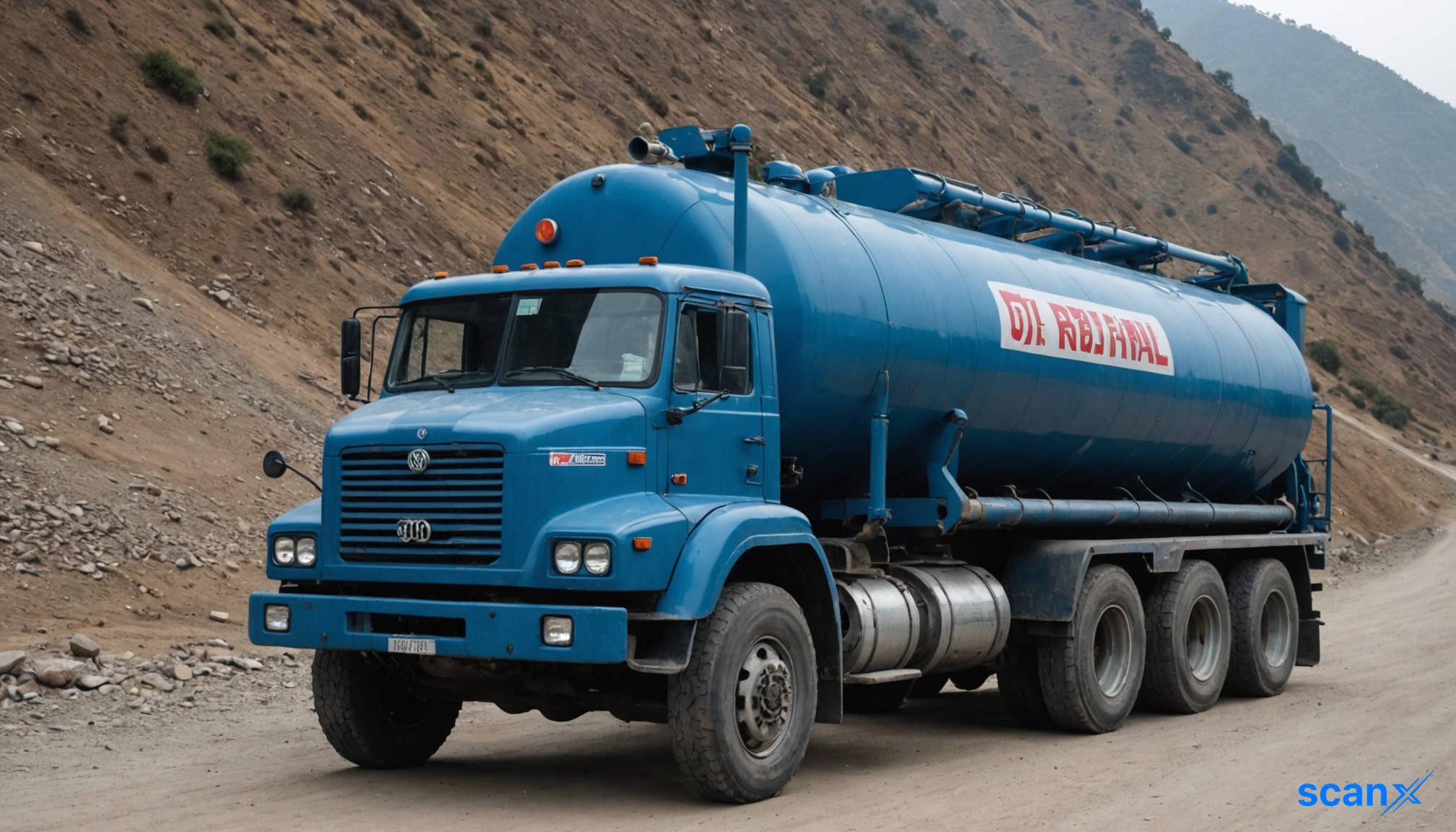
*this image is generated using AI for illustrative purposes only.
President Donald Trump escalated his pressure campaign on the energy sector, posting on Truth Social that oil companies must "get your consumer (retail!) Oil Prices DOWN, NOW!" — and going further by singling out ExxonMobil Corp. and Chevron Corp. by name, accusing them of making too much money based on the shortage. The remarks came after Chevron CEO Mike Wirth appeared on Fox Business highlighting the company's strong recent performance. Trump credited his administration's policies for Chevron's return to Venezuela, describing the move as "far bigger and stronger than ever before," before arguing that retail gas prices have not fallen sufficiently alongside declining crude costs.
The public ultimatum landed against a backdrop of sharply declining energy markets. West Texas Intermediate crude dropped as much as 8% Monday, sliding below $80 a barrel, while Brent crude fell roughly 5% to around $83.56. The decline was driven by Trump's weekend announcement calling off a planned strike on Iran in favor of restarting talks to reopen the Strait of Hormuz. Additional downward pressure came from weaker manufacturing data out of China and the U.S., alongside OPEC+ plans to keep raising production quotas into September.
Market Reaction and Financial Implications
Equity markets moved inversely to oil prices, reflecting investor relief over easing inflation concerns. The S&P 500, tracked by the SPDR S&P 500 ETF Trust, rose 1.18%, while the Nasdaq 100, tracked by the Invesco QQQ Trust, gained 1.79%. Treasury yields also retreated, with the 10-year yield slipping about 5 basis points to 4.68%. The following table summarizes the key market movements:
| Metric: | Movement | Value |
|---|---|---|
| WTI Crude | -8% | Below $80 |
| Brent Crude | -5% | ~$83.56 |
| S&P 500 | +1.18% | N/A |
| Nasdaq 100 | +1.79% | N/A |
| 10-Year Yield | -5 bps | 4.68% |
This dynamic reduces pressure on the Federal Reserve to hold rates higher for longer, a shift investors have welcomed. By explicitly naming ExxonMobil and Chevron and accusing them of profiting excessively from supply shortages, Trump's latest remarks signal that his sector-wide mandate for price reductions is intensifying beyond general rhetoric into targeted corporate accountability.
What the Numbers Show
For Big Oil, the setup remains politically fraught. Cheaper crude improves margins for refiners in the short term, yet Trump's public demands for lower retail prices put executives in a bind between shareholder returns and political optics. Chevron, ExxonMobil, Shell Plc, and BP Plc are expected to post some of their strongest profits in years even as the White House insists motorists deserve bigger savings at the pump. Trump previously set a $2.50-a-gallon target in late June and threatened a Department of Justice price-gouging probe against these major players. Whether the latest crude slide finally shows up at gas stations nationwide may determine if Trump's escalating ultimatums gain any traction with the industry.

How might the Federal Reserve adjust its interest rate trajectory if the correlation between falling oil prices and easing inflation persists through the next quarter?
Will ExxonMobil and Chevron alter their capital expenditure or dividend strategies to mitigate political risk while maintaining shareholder returns amid Trump's targeted pressure?
Could the potential resumption of talks regarding the Strait of Hormuz lead to a sustained structural shift in global crude supply dynamics, or is the current price drop merely temporary geopolitical relief?
 15
15





 Access 50+ Readymade Screeners
  Use 200+ Custom Filters
  Get Full Market Insights





