

Aramco Considers New Oil Prices for Asia Amid Houthi Threats to Supply


Saudi Aramco is evaluating a revised oil pricing structure for Asian markets amid escalating Houthi rebel attacks on Red Sea shipping routes, which have raised transit times, insurance premiums, and fuel costs for tanker operators. Major Asian crude importers including India, China, and Japan are closely monitoring developments, as any pricing shift could affect energy budgets and refining margins. While specific figures remain undisclosed, the move signals a broader shift toward risk-adjusted pricing in response to sustained geopolitical disruption.


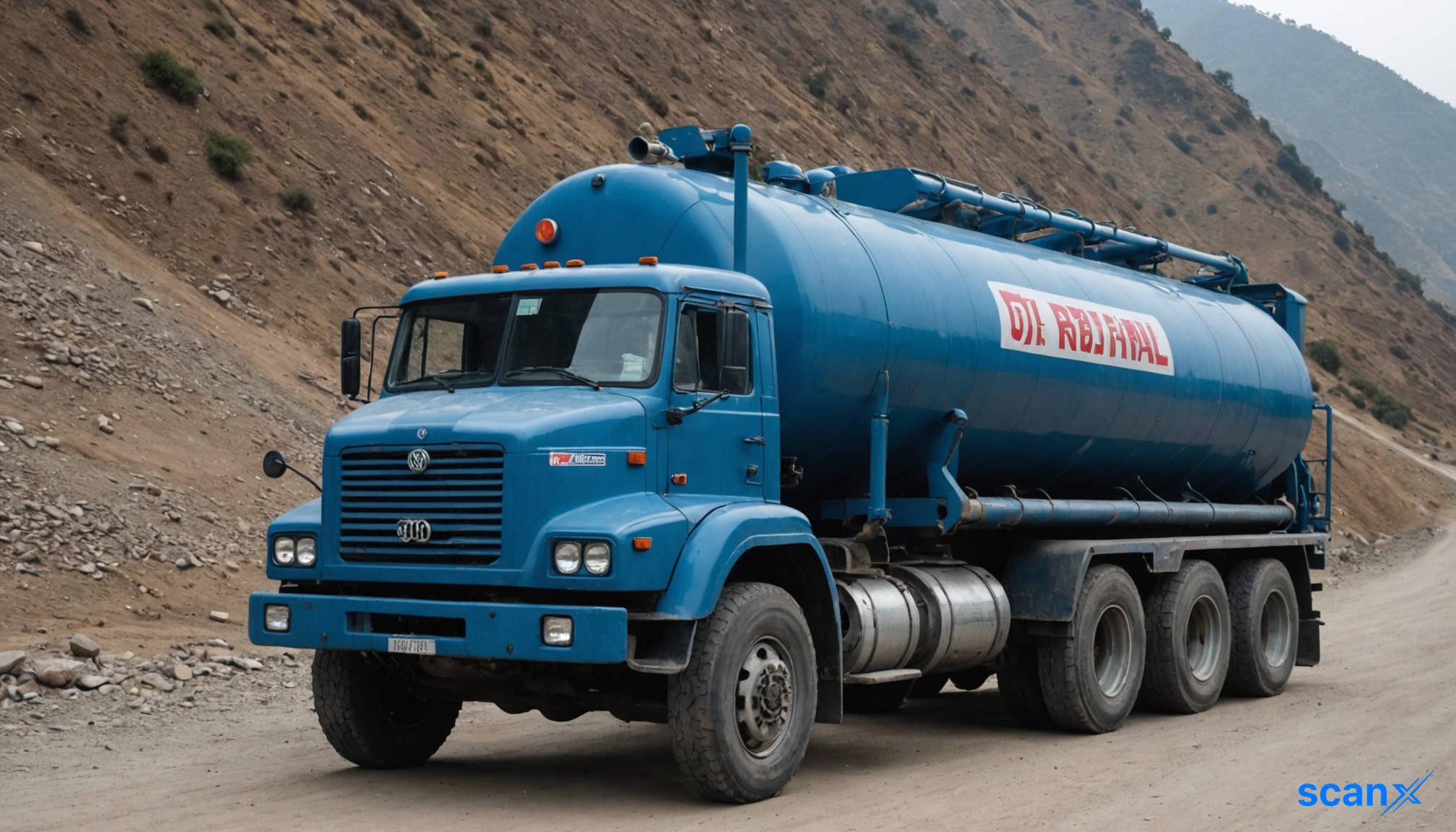
*this image is generated using AI for illustrative purposes only.
Saudi Aramco is evaluating a new oil pricing structure for its Asian markets, responding to escalating security threats from Houthi rebels that jeopardize regional shipping flows. This strategic reassessment aims to address the logistical and financial risks posed by potential disruptions to key maritime routes, which are vital for energy supplies to major Asian economies. The move highlights the growing impact of geopolitical instability on global energy pricing mechanisms and supply chain resilience.
The decision to revisit pricing models stems from the increasing frequency of Houthi attacks on commercial vessels in the Red Sea and surrounding waters. These actions have forced many shipping companies to reroute their vessels, leading to longer transit times and higher operational costs. For Saudi Aramco, maintaining stable and competitive pricing for its Asian clientele is crucial amidst these external pressures.
Geopolitical Context
Houthi rebels have targeted international shipping lanes, citing solidarity with conflicts in neighboring regions. This has resulted in significant insurance premiums and fuel costs for tanker operators. Saudi Aramco's consideration of a new pricing framework suggests an attempt to mitigate some of these cost pass-throughs or to reflect the altered risk landscape in long-term contracts.
Impact on Asian Markets
Asian countries, including India, China, and Japan, are among the largest importers of crude oil from Saudi Arabia. Any shift in pricing could have immediate implications for their energy budgets and inflation rates. Market participants are closely monitoring developments to understand how these changes might affect future crude benchmarks and refining margins.
| Factor: | Details |
|---|---|
| Trigger: | Houthi attacks on Red Sea shipping lanes |
| Key Affected Markets: | India, China, Japan |
| Operational Impact: | Longer transit times, higher insurance and fuel costs |
| Aramco's Response: | Evaluating new oil pricing structure for Asia |
| Pricing Approach: | Risk-adjusted pricing under consideration |

How might a risk-adjusted pricing model for Asian markets influence Saudi Aramco's competitive position against non-OPEC producers like the US and Brazil?
Could this shift in pricing strategy accelerate Asian nations' efforts to diversify their crude oil supply sources away from the Middle East?
What are the potential downstream effects on global refining margins if Asian refiners face higher input costs due to Aramco's new pricing structure?
 17
17






 Create Custom Screeners
  Access 200+ Pre-built Filters
  Use 50+ Readymade Screener





