

Crude Oil Slumps as OPEC+ Hikes Supply by 188,000 Bpd


Crude oil prices fell as OPEC+ agreed to increase September production by 188,000 barrels per day, completing the unwind of voluntary cuts. Concurrently, geopolitical tensions eased after President Donald Trump paused military action against Iran, reducing fears of supply disruptions. Brent and WTI both dropped significantly from their July highs.


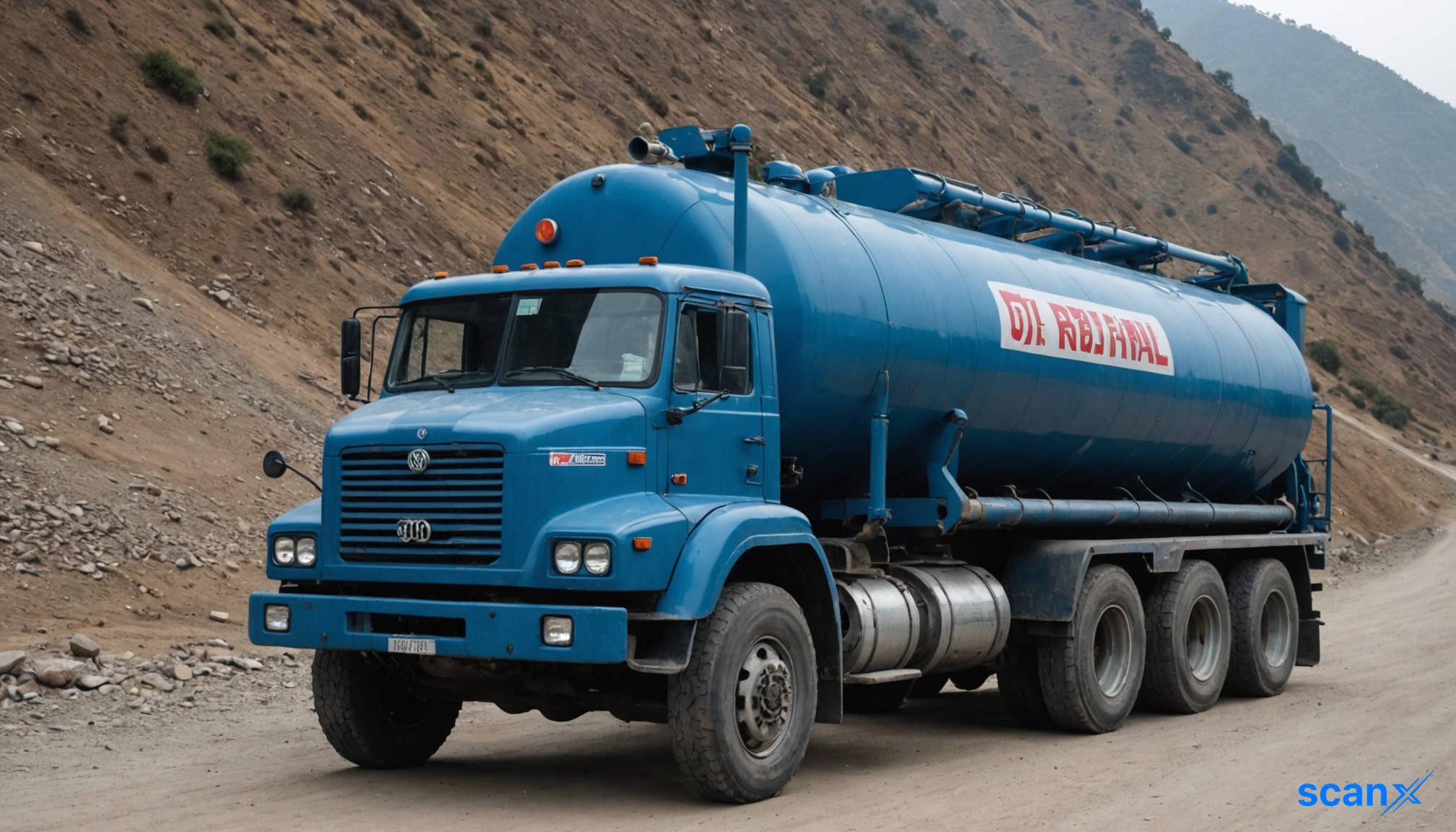
*this image is generated using AI for illustrative purposes only.
Crude oil prices plunged in the perpetual futures market on August 2, 2026, driven by a dual shock of increased supply expectations and reduced geopolitical risk. The Organization of the Petroleum Exporting Countries and its allies (OPEC+) agreed to raise production quotas, while President Donald Trump signaled a pause in planned military operations against Iran, alleviating immediate fears of infrastructure attacks in the Middle East.
Brent crude, the global benchmark, retreated from last week’s high of $91 to $84 per barrel. West Texas Intermediate (WTI) also weakened, moving to $81 per barrel. Both benchmarks have now fallen by over 13% from their July highs, reflecting a significant shift in market sentiment away from risk premiums.
Geopolitical De-escalation
The price decline was accelerated by diplomatic developments involving Iran. Earlier in the week, markets priced in a high probability of US military strikes on Iranian infrastructure, following hints from Trump at a Camp David event and reports from CBS and the Wall Street Journal that new attacks had been authorized.
However, Trump stated on social media that he had been asked by Iran and other Middle Eastern nations to hold off on any attack. He noted that parameters for a deal to reopen the Strait of Hormuz had been agreed upon. This decision followed discussions with Saudi Arabia’s Mohammed bin Salman, who urged dialogue to prevent retaliatory strikes on critical regional infrastructure, including desalination plants. Market participants interpreted this pause as a reduction in near-term supply disruption risks, though analysts warn that hostilities could resume without a formal ceasefire.
OPEC+ Production Increase
Compounding the downward pressure, OPEC+ announced it would increase its production quota for September by 188,000 barrels per day. This move completes the unwinding of an additional layer of voluntary output cuts previously implemented by the cartel.
| Metric | Value |
|---|---|
| Brent Crude Price | $84 |
| WTI Crude Price | $81 |
| OPEC+ Sept. Hike | 188,000 bpd |
| Drop from July Highs | >13% |
A Rystad analyst noted that having completed its restoration campaign, OPEC+ has little incentive to rush into further supply changes. The base case suggests a pause in output adjustments during the fourth quarter as the group prepares for 2027 quota negotiations.
What the Numbers Show
The simultaneous drop in prices despite ongoing regional conflict highlights the market’s sensitivity to supply-side fundamentals over geopolitical fear premiums. With WTI open interest on Hyperliquid reaching $156 million and 24-hour volume at $222 million, traders are actively positioning for continued volatility. The 13% decline from July peaks indicates that the recent supply hike and diplomatic thaw have successfully eroded the risk premium that had supported higher prices earlier in the summer.

How might the pause in US military operations against Iran influence OPEC+'s strategy for the 2027 quota negotiations if diplomatic tensions resurface?
What impact could the removal of the geopolitical risk premium have on non-OPEC producers like the US and Brazil in terms of market share gains?
Will the completion of OPEC+'s voluntary cut restoration lead to increased price volatility as the cartel loses its primary tool for rapid supply management?
 17
17






 Access Market Heat-map & Insights
  Create, Save & Share your Screener
  Use 200+ Screening Filters





