

Oil prices fall sharply as Iran tensions ease, but gas relief remains limited


Crude oil prices fell sharply with Brent at $85.05/bbl and WTI at $80.01/bbl after US-Iran tensions eased. However, gasoline prices stayed high at $4.0990/gallon nationally due to refining limits. Political figures debated energy supplies, with Trump citing vast reserves and Schiff questioning $13 billion in Venezuelan oil revenue.


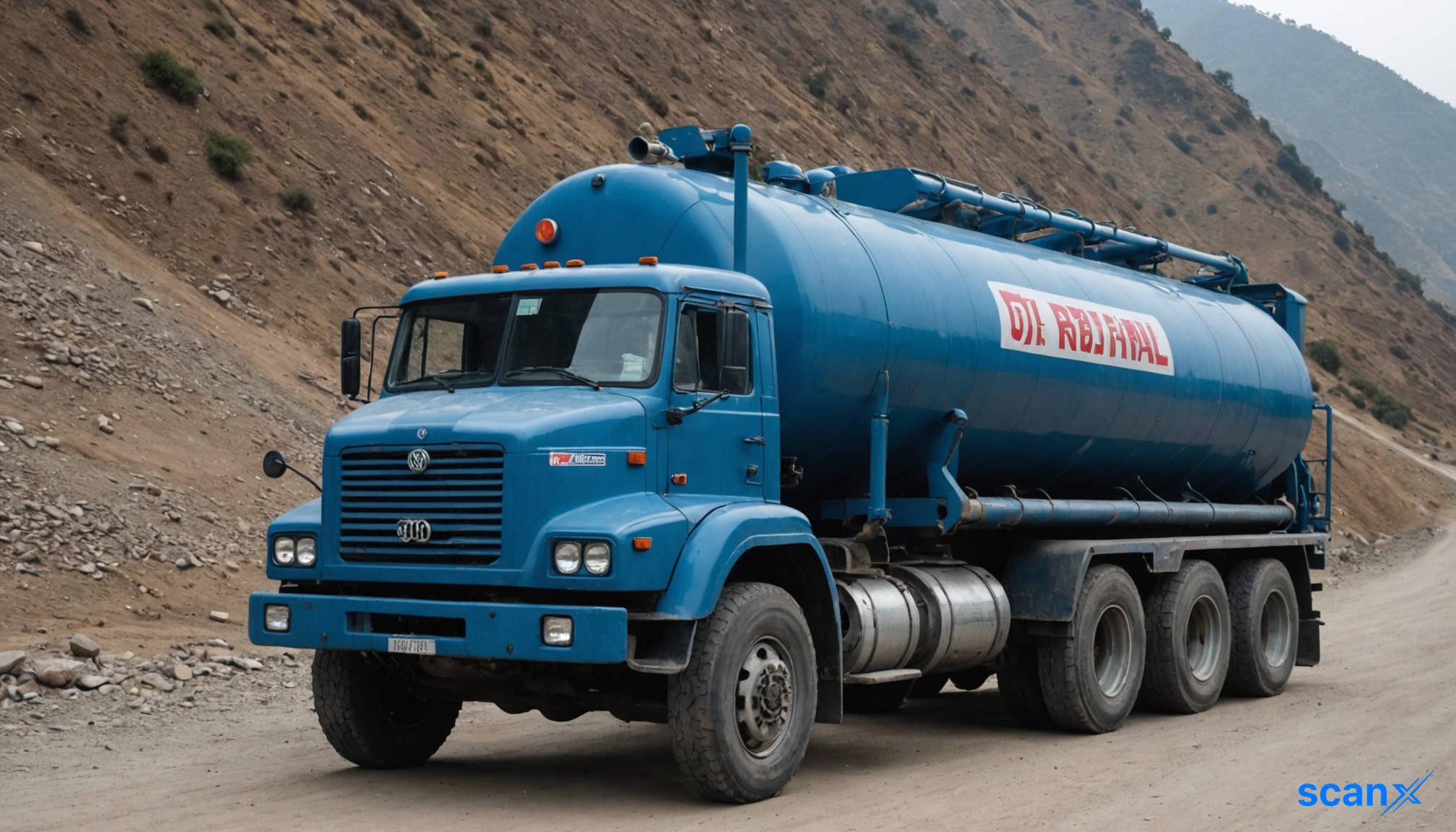
*this image is generated using AI for illustrative purposes only.
Global oil markets reacted sharply to the pause in hostilities between the United States and Iran, with crude prices falling across major benchmarks. Brent crude declined 3.75% to approximately $85.05/bbl, while West Texas Intermediate (WTI) crude dropped 3.15% to $80.01/bbl. The United States Oil Fund (NYSE: USO) followed suit, falling 1.67% to $122.65 during pre-market trading on Tuesday. Despite the decline in raw material costs, consumers are seeing limited relief at the pump, as refining capacity remains a bottleneck preventing gasoline prices from tracking the steep drop in crude.
The disconnect between crude and retail fuel prices stems from structural supply constraints. GasBuddy analyst Patrick De Haan noted that while Brent crude plummeted 9% and WTI fell nearly 8%, RBOB gasoline futures dropped only 2%, or 8 cents/gallon. De Haan stated that if gasoline had fallen in line with oil, it would have decreased by over 25 cents/gallon. He identified refining capacity as the "major limiting factor" holding back further price reductions for consumers.
Retail Fuel Prices Remain Elevated
Data from the American Automobile Association (AAA) indicates that national average gas prices recorded only a marginal decline, settling at $4.0990/gallon on Tuesday. Regional disparities remain significant, with California recording the highest average price at $5.6470/gallon. Conversely, Indiana residents paid the lowest average price at $3.4740/gallon. The persistence of high retail prices despite lower crude inputs highlights the lag effect in the downstream fuel supply chain.
| Benchmark/Region | Price | Change |
|---|---|---|
| Brent Crude | $85.05/bbl | -3.75% |
| WTI Crude | $80.01/bbl | -3.15% |
| USO ETF | $122.65 | -1.67% |
| National Avg Gas | $4.0990/gal | Marginal decline |
| California Avg Gas | $5.6470/gal | N/A |
| Indiana Avg Gas | $3.4740/gal | N/A |
Political Debate Over Energy Supply
President Donald Trump addressed energy security at a General Motors Co (NYSE: GM) facility in Milford, Michigan, claiming the U.S. possesses a "thousand-year supply of gasoline," a resource he stated China lacks. Trump further argued that access to Venezuelan oil increases U.S. reserves, stating, "When you add Venezuela to it, we really have more oil." These comments came amid reports of negotiations involving Iran and Oman regarding the Strait of Hormuz.
Scrutiny Over Venezuelan Revenue
Senator Adam Schiff (D-CA) challenged the administration's claims regarding Venezuelan oil, questioning the transparency of reported revenues. Schiff cited a claim that the U.S. had generated $13 billion in revenue from Venezuelan oil, asking why the administration could not disclose where the funds were allocated. He characterized the situation as "Trump and his cronies" controlling the revenue without public accountability.
Governor Gavin Newsom (D-CA) also criticized the administration's handling of the conflict, asserting that Americans are paying an extra $1 per gallon compared to pre-war levels. Newsom's press office estimated that these excess costs amount to over $75 billion paid to "Big Oil." The White House did not immediately respond to requests for comment regarding the Venezuelan oil revenue or the gasoline supply claims.

How long will the refining capacity bottleneck persist, and will this structural constraint force retailers to maintain elevated margins despite lower crude costs?
What specific regulatory or investment incentives might the administration propose to accelerate the expansion of U.S. refining infrastructure?
Could the political scrutiny regarding Venezuelan oil revenues lead to new legislative oversight measures that impact future energy trade agreements?
 18
18






 Access 50+ Readymade Screeners
  Use 200+ Custom Filters
  Get Full Market Insights





