

Oil Prices Extend Gains Amid Iran Threats and Venezuela Energy Sector Focus


Oil prices extended gains with WTI rising above $58 and Brent near $62, driven by Trump's threats against Iran and focus on Venezuela's energy sector. Nearly 20 oil executives will meet at the White House to discuss rebuilding Venezuela's energy infrastructure, while Chevron loads Venezuelan crude at the fastest pace in seven months. Trading houses are securing US Treasury licenses to sell Venezuelan oil to American refiners, potentially redirecting flows from Chinese buyers to US processors.

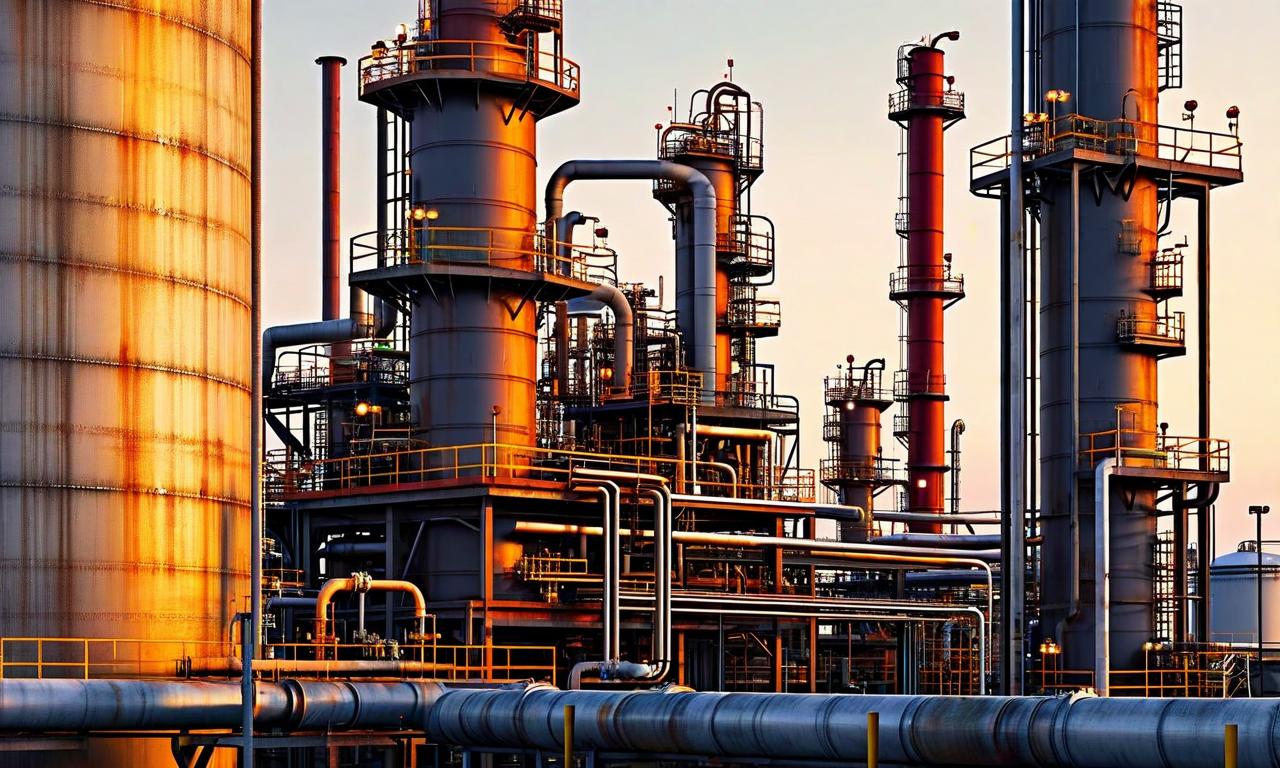

*this image is generated using AI for illustrative purposes only.
Oil prices extended their gains as markets assessed the geopolitical implications of US President Donald Trump's threats against Iran and strategic developments in Venezuela's energy sector. The commodity rally reflects growing investor attention to potential supply disruptions and policy changes affecting global oil flows.
Price Movement and Market Dynamics
Crude oil benchmarks posted solid gains during the trading session. The following table shows the key price movements:
| Benchmark: | Current Level | Previous Session Change |
|---|---|---|
| West Texas Intermediate: | Above $58/barrel | +3.20% |
| Brent Crude: | Near $62/barrel | Positive territory |
Oil futures are heading for a weekly advance following Thursday's rally, which marked the biggest daily increase since October. However, analysts expect a significant surplus this year to create downward pressure on prices in the coming months.
Geopolitical Tensions Drive Market Sentiment
Trump's threat to hit Iran "hard" if the country's government killed protesters during the current period of unrest has added a risk premium to oil prices. The market continues to gauge the potential impact of US actions against Iran on global oil supply chains.
Meanwhile, Goldman Sachs Group Inc. reported that its clients are the most bearish on oil in 10 years, highlighting the mixed sentiment in the market despite recent gains.
Venezuela Energy Sector Developments
Investors are closely monitoring US moves regarding Venezuela following the ouster of President Nicolás Maduro. A high-level meeting is scheduled at the White House on Friday, where nearly 20 oil executives will discuss rebuilding the country's energy sector.
| Meeting Details: | Information |
|---|---|
| Participants: | 20 oil executives |
| Companies Represented: | Exxon Mobil Corp., Chevron Corp. |
| Notable Attendees: | Veteran wildcatter Harold Hamm |
| Purpose: | Discuss rebuilding Venezuela's energy sector |
Chevron, currently the only American major permitted by Washington to operate in Venezuela, is loading tankers with Venezuelan crude at the fastest pace in seven months. These cargoes are primarily destined for US refiner Phillips 66.
Trading Activity and Market Flows
Trading houses Trafigura Group and Vitol Group are actively engaging with US refiners to assess interest in purchasing Venezuelan oil. Both companies have obtained preliminary US Treasury licenses to sell these barrels, indicating potential shifts in global oil trade patterns.
The Trump administration's measures could redirect more Venezuelan oil flows to American processors at the expense of Chinese buyers. Chinese refiners, who have been the largest purchasers of heavily discounted Venezuelan crude following US sanctions, are now exploring alternative supply options, including more expensive Canadian crude.
Technical Factors Supporting Prices
Beyond geopolitical developments, technical factors are contributing to oil's bullish momentum. Citigroup Inc. expects the annual period of commodity index rebalancing to drive additional cash flows into oil markets, providing fundamental support for prices.
The combination of geopolitical risk premiums, potential supply chain disruptions, and technical buying interest has created a supportive environment for oil prices, despite longer-term concerns about market oversupply.
Historical Stock Returns for Oil India
| 1 Day | 5 Days | 1 Month | 6 Months | 1 Year | 5 Years |
|---|---|---|---|---|---|
| +1.21% | +1.56% | -7.63% | -2.60% | +7.94% | 0.0% |
 18
18






 Create Custom Screeners
  Access 200+ Pre-built Filters
  Use 50+ Readymade Screener





