

Oil Edges Up But Brent On Course For Longest Annual Loss Streak In 2025


Brent crude is heading for its longest-ever losing streak with an 18% decline in 2025, while WTI faces a 19% annual drop. Despite geopolitical tensions from Russia sanctions and Middle East conflicts, supply continues to outpace demand as OPEC+ released 2.90 million bpd since April and paused further increases for Q1 2026.

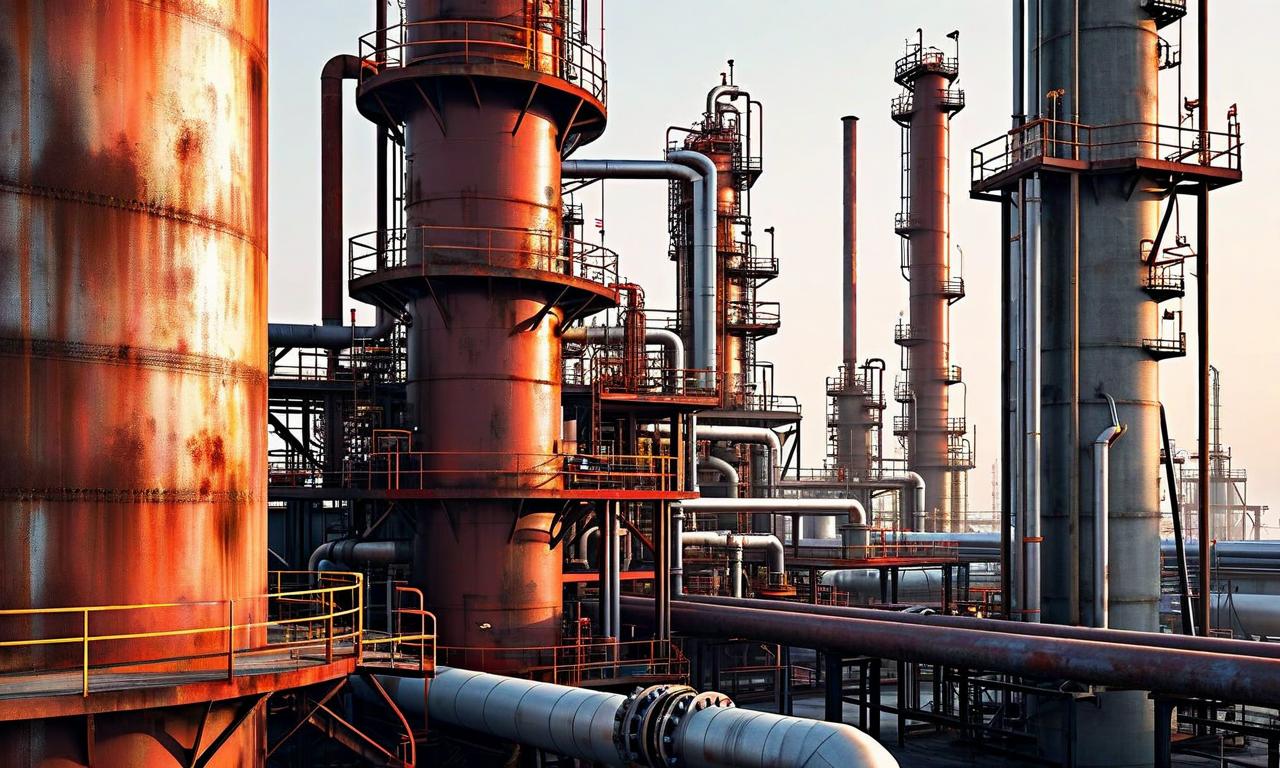

*this image is generated using AI for illustrative purposes only.
Global oil markets are experiencing their longest stretch of annual losses, with Brent crude heading for a third consecutive year of declines in 2025. Oil prices edged up slightly on Wednesday but remain set to fall more than 15% this year, driven by supply outpacing demand in a period marked by geopolitical tensions, higher tariffs, and complex OPEC+ production decisions alongside sanctions on major oil-producing nations.
Current Market Performance
Oil benchmarks have faced sustained pressure throughout 2025, with both major contracts showing significant annual declines despite modest Wednesday gains:
| Benchmark: | Current Price | Daily Change | Annual Performance |
|---|---|---|---|
| Brent (March): | $61.44/barrel | +11 cents | Down 18% |
| WTI: | $58.06/barrel | +11 cents | Down 19% |
| Market Status: | Third consecutive loss year | Longest-ever streak | Since 2020 decline |
Brent crude futures are down nearly 18%, marking the most substantial annual percentage decline since 2020. The March contract, which expires Wednesday, rose 11 cents to $61.44 per barrel. US West Texas Intermediate crude traded at $58.06, up 11 cents, but remains headed for a 19% annual decline. The 2025 average prices for both benchmarks represent the lowest levels since 2020.
Analyst Forecasts and Market Outlook
BNP Paribas commodities analyst Jason Ying expects further near-term weakness, projecting Brent to dip to $55.00 per barrel in the first quarter before recovering to $60.00 per barrel for the rest of 2026. The bearish outlook stems from US shale producers' ability to hedge at high levels, making supply more consistent and price-insensitive.
| Analyst Projections: | Details |
|---|---|
| Q1 2026 Target: | $55.00/barrel (Brent) |
| Rest of 2026: | $60.00/barrel recovery |
| Supply Outlook: | Normalized growth expected |
| Demand Forecast: | Flat demand anticipated |
"The reason why we're more bearish than the market in the near term is that we think that US shale producers were able to hedge at high levels," Ying explained. "So the supply from shale producers will be more consistent and insensitive to price movements."
Geopolitical Tensions Shape Market Dynamics
Oil markets experienced a strong start to 2025 when former President Joe Biden ended his term by imposing tougher sanctions on Russia, disrupting supplies to major buyers China and India. The war in Ukraine intensified as Ukrainian drones damaged Russian energy infrastructure and disrupted Kazakhstan's oil exports.
| Geopolitical Events: | Market Impact |
|---|---|
| Russia Sanctions: | Disrupted China-India supplies |
| Ukraine Conflict: | Damaged energy infrastructure |
| Iran-Israel Conflict: | 12-day June conflict |
| Yemen Conflict: | Saudi-UAE tensions |
The 12-day Iran-Israel conflict in June threatened shipping in the Strait of Hormuz, a critical oil chokepoint, which initially supported oil prices. Adding to tensions, top OPEC producers Saudi Arabia and the United Arab Emirates are engaged in conflict over Yemen, while US President Donald Trump has ordered a blockade on Venezuelan oil exports and threatened strikes on Iran.
OPEC+ Production Strategy and Supply Concerns
The Organization of the Petroleum Exporting Countries and its allies have paused oil output hikes for the first quarter of 2026 after releasing approximately 2.90 million barrels per day into the market since April. This decision reflects growing concerns about supply-demand imbalances as prices cooled following OPEC+ accelerated output increases.
| OPEC+ Strategy: | Details |
|---|---|
| Next Meeting: | January 4th |
| Q1 2026 Plan: | Output hikes paused |
| 2025 Releases: | 2.90 million bpd since April |
| Supply Surplus: | 2.00-3.84 million bpd projected |
Most analysts expect supply to exceed demand next year, with estimates ranging from the International Energy Agency's 3.84 million barrels per day to Goldman Sachs' 2.00 million bpd surplus projections. Morgan Stanley's global oil strategist Martijn Rats suggests substantial price declines may prompt OPEC+ cuts: "If the price really has a substantial fall, I would imagine you will see some cuts from OPEC+. But it probably does need to fall quite a bit further from here - maybe in the low $50s."
John Driscoll, managing director of consultancy JTD Energy, expects geopolitical risks to support oil prices despite fundamentals pointing to oversupply: "Everybody's saying it'll get weaker into 2026 and even beyond. But I wouldn't ignore the geopolitics and the Trump factor is going to be playing out because he wants to be involved in everything."
Historical Stock Returns for Oil India
| 1 Day | 5 Days | 1 Month | 6 Months | 1 Year | 5 Years |
|---|---|---|---|---|---|
| -1.44% | -3.57% | -4.47% | -3.50% | +12.43% | +196.62% |
 16
16











 Create Custom Screeners
  Access 200+ Pre-built Filters
  Use 50+ Readymade Screener





