

Oil Prices Drop 2% on Supply Glut, Ukraine Peace Talks


Oil prices settled more than 2% lower on Friday due to concerns about a looming global supply glut and potential developments in Ukraine peace negotiations. Brent crude fell 2.57% to $60.64 per barrel, while WTI crude dropped 2.76% to $56.74 per barrel. The International Energy Agency projects global oil supply will exceed demand by 3.84 million barrels per day next year. Market participants are closely watching Ukraine-Russia peace process developments, including an upcoming meeting between Ukrainian President Zelenskiy and U.S. President Trump.



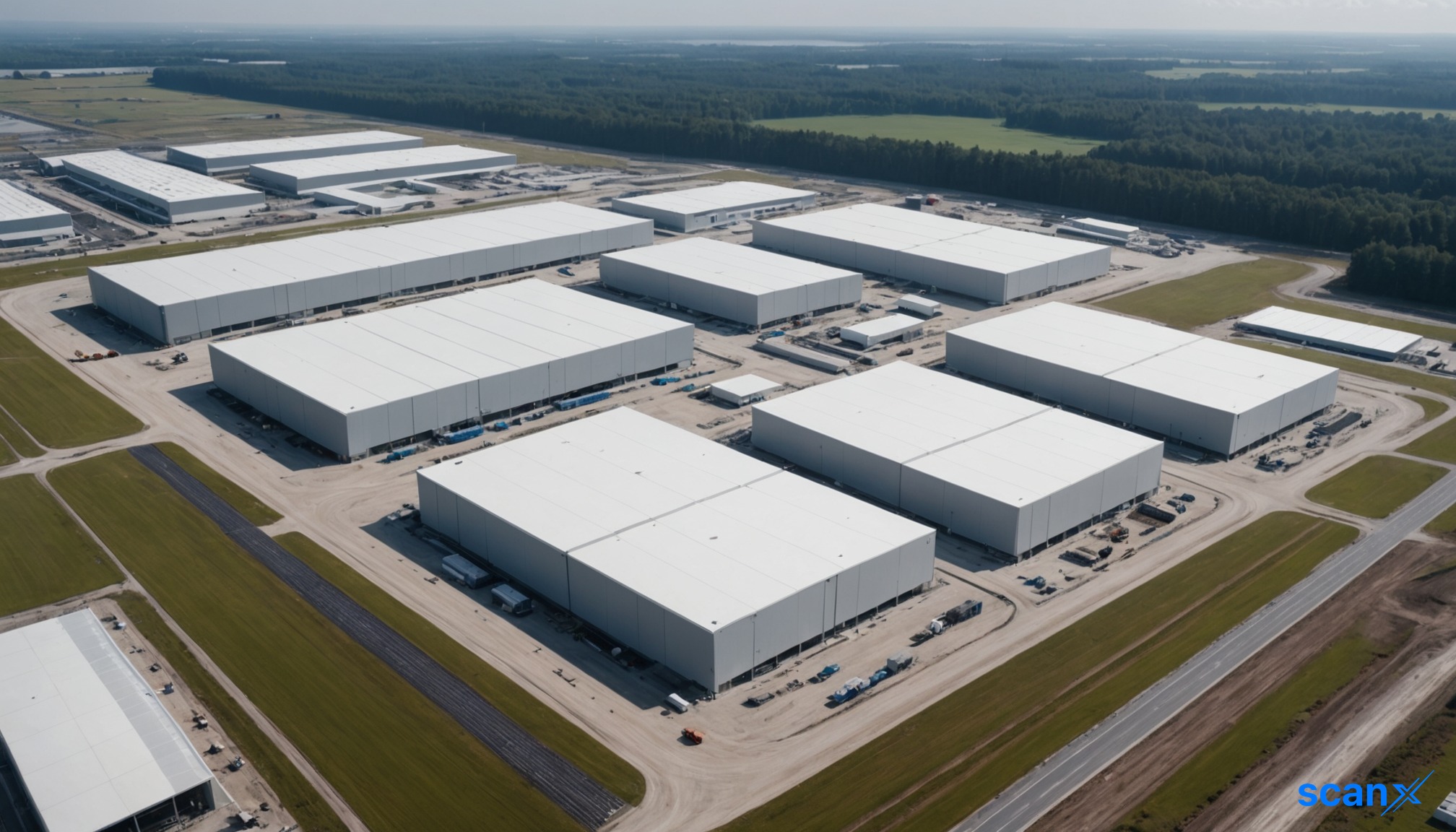
*this image is generated using AI for illustrative purposes only.
Oil prices settled more than 2% lower on Friday as investors weighed concerns over a looming global supply glut while monitoring potential developments in Ukraine peace negotiations. The decline comes amid broader market concerns about oversupply conditions and geopolitical developments that could impact future oil pricing dynamics.
Market Performance and Price Movements
Crude oil futures experienced significant declines across major benchmarks on Friday's trading session:
| Benchmark | Settlement Price | Daily Change | Percentage Decline |
|---|---|---|---|
| Brent Crude | $60.64 per barrel | -$1.60 | -2.57% |
| WTI Crude | $56.74 per barrel | -$1.61 | -2.76% |
Despite recent rebounds from supply disruptions that helped prices recover from their near five-year low on December 16, both benchmarks remain on track for their steepest annual decline since 2020. Year-to-date performance shows Brent down 19% and WTI declining 21%, primarily attributed to rising crude output and growing concerns about market oversupply.
Global Supply Outlook and Market Fundamentals
The oil market faces significant oversupply challenges heading into next year, according to international energy forecasts. The Paris-based International Energy Agency's December oil market report projects global oil supply will exceed demand by 3.84 million barrels per day next year, highlighting the scale of the supply imbalance facing the market.
Aegis Hedging analysts noted in their Friday assessment that "geopolitical premiums have provided near-term price support, but have not materially shifted the underlying oversupply narrative." This analysis underscores how fundamental supply-demand dynamics continue to weigh on oil prices despite temporary geopolitical support factors.
Ukraine-Russia Peace Process Developments
Market participants are closely monitoring developments in the Russia-Ukraine peace process and their potential impact on future oil pricing. Ukrainian President Volodymyr Zelenskiy is scheduled to meet with U.S. President Donald Trump in Florida on Sunday to discuss territorial issues, which represent the main stumbling block in negotiations to end the conflict.
Key developments in the peace process include:
- A 20-point peace framework nearing completion
- Security guarantees deal approaching finalization
- Zelenskiy's statement that "a lot can be decided before the New Year"
- Ukrainian president's willingness to call a referendum on an agreed peace framework if Russia agrees to a ceasefire
The Kremlin confirmed on Friday that a foreign policy aide to Russian President Vladimir Putin spoke with members of the U.S. administration after Moscow received U.S. proposals about a possible Ukrainian peace deal. A potential peace agreement could lead to the removal of international sanctions against Russia's oil sector, which would have significant implications for global oil supply dynamics.
Additional Market Factors
The White House has ordered its military forces to focus on a "quarantine" of Venezuelan oil for at least the next two months, indicating Washington's preference for economic rather than military pressure on Caracas. However, market analysts suggest the global impact on crude prices from U.S. actions to intercept sanctioned oil tankers leaving and entering Venezuela appears minimal at this time.
Dennis Kissler, senior vice president of trading at BOK Financial, summarized the current market sentiment: "The negatives remain of elevated global oil storage, and slight progress on Ukraine-Russia peace talks." Despite headline risks pertaining to Venezuela, Aegis Hedging analysts note that the broader market remains focused on the growing global surplus, which continues to be the primary driver of price weakness in the oil market.
Oil India , along with other oil companies, is likely monitoring these global developments closely as they may impact future market conditions and pricing strategies.
Historical Stock Returns for Oil India
| 1 Day | 5 Days | 1 Month | 6 Months | 1 Year | 5 Years |
|---|---|---|---|---|---|
| -1.45% | -3.59% | -4.48% | -3.51% | +12.42% | +196.59% |
 15
15











 Access 50+ Readymade Screeners
  Use 200+ Custom Filters
  Get Full Market Insights





